Watford's Season Struggles: A Thin Squad and Missed Opportunities
Watford’s season never really started with a squad. It started with a skeleton.
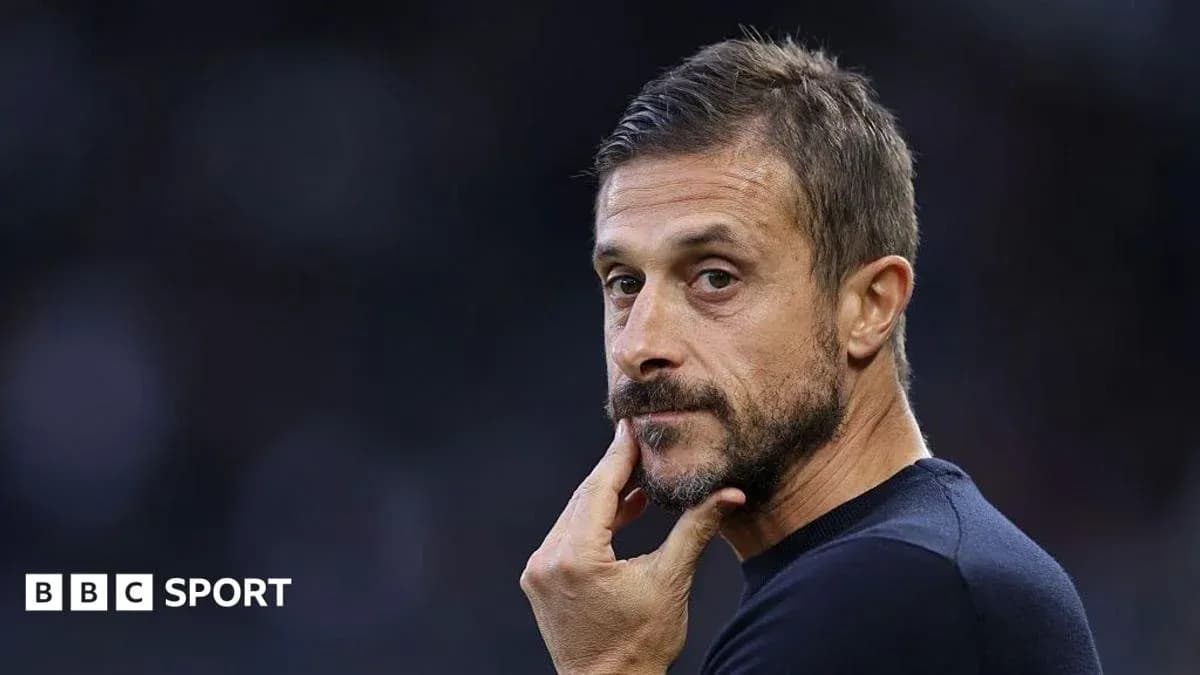
For the first month, Alessio Dionisi has been trying to navigate the Championship with a group so thin that having just two recognised centre-backs for the whole of August became a symbol of the club’s summer miscalculation. That number alone told the story. It was staggering.
Deadline day did eventually bring bodies. But by then, the damage was already baked into the opening stretch of the campaign.
The board will say this was by design. They wanted better, younger targets. They refused to be bounced into panic signings in early August. On paper, with the window now shut and everyone theoretically fit, the squad looks reasonable in most areas. Midfield remains the obvious weak spot, but across the rest of the pitch there is enough talent to be competitive.
Some of the early business proves the point. Iker Bravo has been a revelation, a genuine sensation who has lit up games and justified the recruitment team’s patience. Federico Ravaglia is a clear upgrade in goal. Jordan Zemura and Omar Traore give Watford strong, modern options at full-back. Soumaila Coulibaly and Branimir Mlacic have also impressed when called upon, hinting at a smarter long-term strategy.
The problem? Dionisi hasn’t been able to rotate any of them.
With such a shallow pool to pick from, the Italian has been forced to lean on the same core of players game after game. As the schedule tightened and the fixtures started coming twice a week, the predictable happened. Injuries crept in. Legs got heavy. Performances dipped. August bled into September with Watford running on fumes.
Those late arrivals, the ones the club waited for, have turned up short of fitness and even further from sharpness. Yet several have still had to be thrown into matchday squads because there simply haven’t been enough alternatives.
The bench has told its own story. In each of the last two matches, Watford haven’t even managed to name the maximum eight substitutes. For the past five, they’ve carried two goalkeepers among the replacements. That is not tactical choice. That is necessity.
No wonder Dionisi keeps repeating the same phrase before and after games: “It’s not easy.” It isn’t.
For him, the upcoming international break is a lifeline. And at Watford, that carries its own irony. Breaks in the calendar have so often been the prelude to sackings at Vicarage Road that any pause in the schedule comes with a sense of unease for whoever occupies the dugout.
This time, the pause might actually give a head coach a chance.
Once Friday’s game against Bristol City is out of the way, Watford have three weeks to breathe. Three weeks to recover battered bodies, to integrate the late signings properly, to reset the season’s rhythm and try to stitch together something more coherent than survival mode.
By then, though, they will almost certainly be chasing. The decision to hold fire in early August, to wait for better deals and more attractive profiles, is understandable in isolation. In the context of a relentless Championship calendar, it has backfired.
The Hornets will, eventually, have a squad that looks and feels competitive. But if that moment doesn’t arrive until late October, the question becomes brutal and simple: by the time Watford are ready to climb, how high will the mountain already be for a team that still talks about promotion?