Watford's Struggles: A Season of Missed Opportunities
Watford’s season has barely started and already feels like a slog.
For a month, the story has been the same: a squad stretched to breaking point, a head coach trying to mask the gaps, and a board convinced patience in the market would pay off.
It hasn’t. Not yet.
A gamble that’s already cost them
On the eve of the transfer deadline, Watford had seen more players leave than arrive. They went through the whole of August with just two recognised centre-backs. Two. For a Championship club with promotion ambitions, it was a staggering risk.
The board will say they were waiting for better, younger targets, refusing to be dragged into panic buys. On paper, that sounds sensible. In reality, by the time the window shut and reinforcements finally walked through the door, the early damage was already baked into the season.
Now, with the market closed, the picture is complicated. If everyone were fit, you could argue this is a decent squad, with the obvious question mark hanging over midfield depth. But that’s a fantasy version of Watford. The real one has been limping through two games a week.
Hits in the market, strain on the pitch
To be fair, some of the early recruitment has been excellent.
Iker Bravo has been a revelation, a genuine bright spark in a side often running on fumes. Federico Ravaglia looks an upgrade in goal. Jordan Zemura and Omar Traore give the full-back positions a solidity and energy they’ve lacked. Soumaila Coulibaly and Branimir Mlacic have also shown promise when called upon.
The issue isn’t the quality of those signings. It’s the load they’ve had to carry.
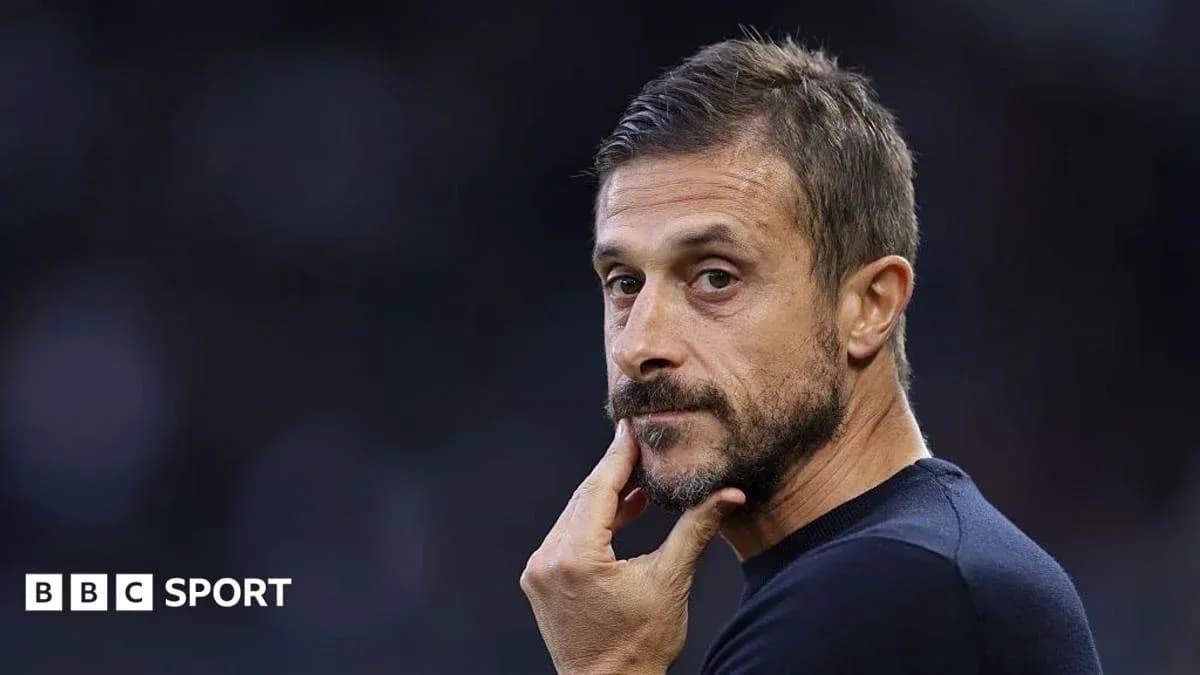
Alessio Dionisi has been forced to lean on the same core group game after game. With the schedule biting hard in August and rolling into September, the consequences have been predictable: injuries stacking up, legs tiring, performances dipping.
And just as the new arrivals appeared, another problem surfaced. Many of the late signings turned up miles off full match fitness, let alone sharpness. They’ve still had to be thrown into a depleted squad, asked to contribute before their bodies are ready.
Watford haven’t even been able to fill the bench. They’ve failed to name the maximum eight substitutes in each of the last two matches and, remarkably, have carried two goalkeepers among the subs for five games in a row. That’s not tactical nuance. That’s necessity.
No wonder Dionisi keeps repeating the same phrase before and after games: “It’s not easy.”
Break arrives at a strange time
For the Italian, the international break cannot arrive quickly enough. That in itself carries a twist of irony at Vicarage Road, where international breaks have often doubled as convenient windows for head coach sackings.
This time, the pause offers something different: a lifeline.
After Friday’s game against Bristol City, Watford will have three weeks to breathe. Three weeks to heal, reset and finally work with something closer to the squad Dionisi thought he was inheriting.
By then, though, they will almost certainly be chasing the pack.
You can understand the logic behind the board’s stance in early August. Hold your nerve. Wait for better options. Don’t get dragged into bad deals. But in practice, that policy has backfired. The club might well end up with a competitive squad – only by the time it truly comes together, it could be late October.
If the ultimate aim is to challenge for promotion, Watford have already handed the division a head start. The question now is simple: has this cautious approach turned a promotion push into a season spent climbing a mountain of their own making?