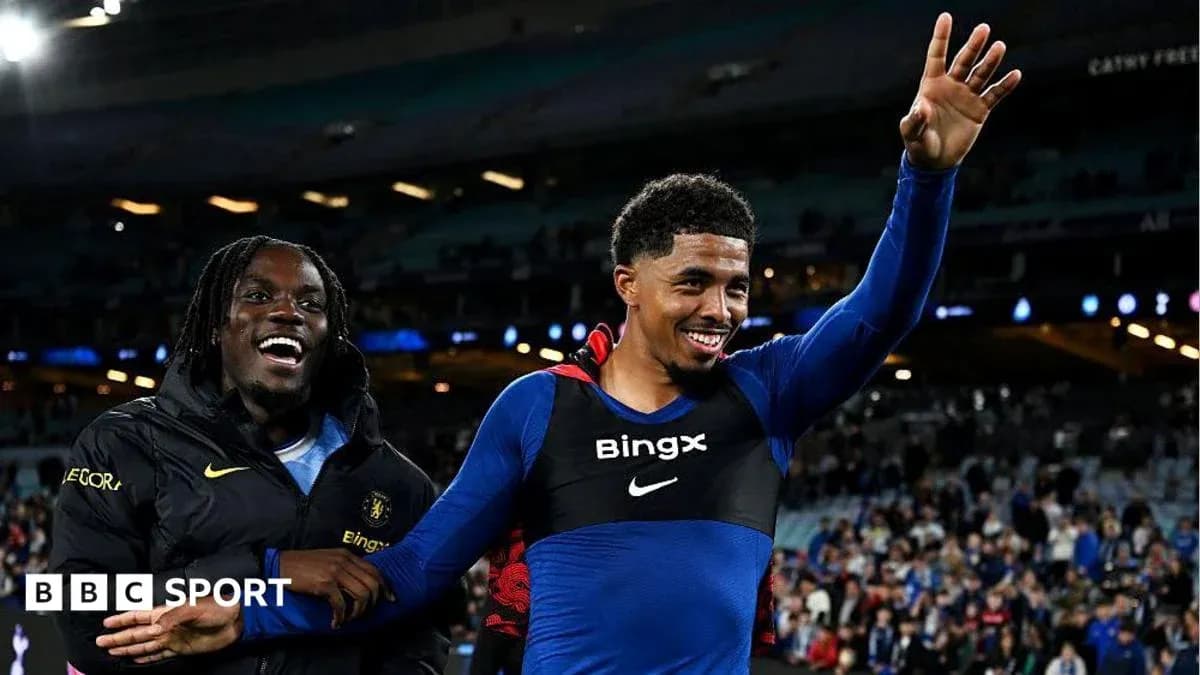
Wesley Fofana's Journey: From £75m Signing to Chelsea's Stability Seeker
Wesley Fofana has already lived several Chelsea careers in one turbulent spell.
He has cried on the pitch. He has been hammered online for laughing at the wrong moment. He has exposed racist abuse sent to his phone. Now, at 25, he is clinging to one idea: stability can still turn this into something “amazing”.
From £75m headline to lone survivor
When Chelsea paid £75m to prise him from Leicester City in 2022, Fofana arrived as a statement signing. Two years on, that statement looks very different.
He is the last remaining arrival from that summer window. With Marc Cucurella now at Real Madrid, only academy product Reece James has been at the club longer.
“Football is like this. It moves fast, but it is a good stat,” Fofana says. “For me, some years were difficult, but now I'm back. I'm playing, I'm fit.”
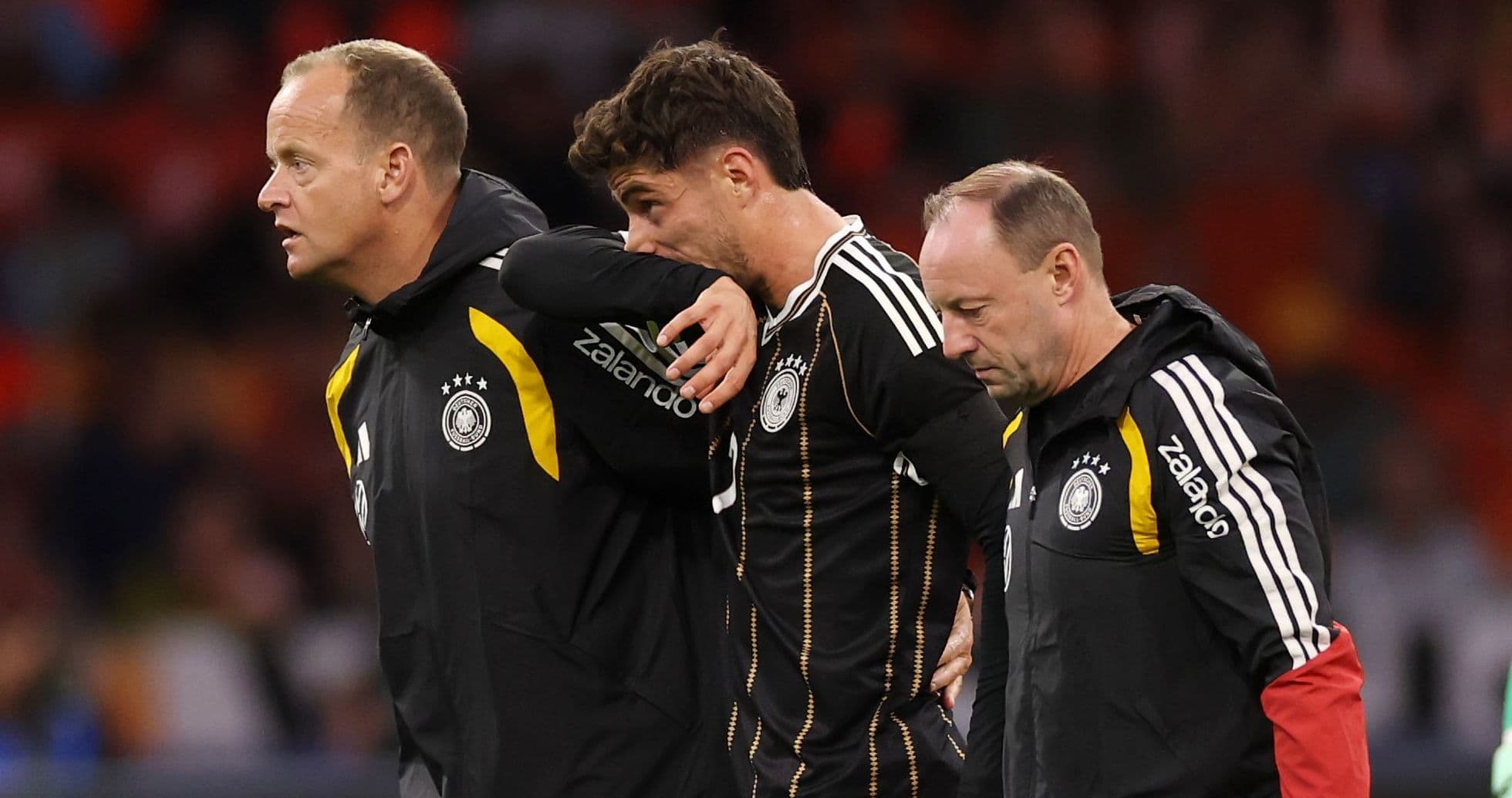
He has earned the right to say it. After a broken leg at Leicester and then an ACL injury plus hamstring surgery at Chelsea, his body finally held up last season. Well, almost.
“Thanks, Filip,” he jokes, pointing to the moment goalkeeper Filip Jorgensen punched him in an aerial challenge and denied him a completely clean bill of health. Even that, he turns into a punchline.
He talks instead about “small details” – tweaks in preparation, recovery, mindset – that have helped him stay on the pitch. For a defender whose career has been stalked by scans and setbacks, simply feeling available has been a victory.
“For me, the most important thing last season was to be fit, just to remove this from my head – the injuries and other things,” he explains.
A dream move, a brutal season
This was the club he dreamed of as a kid in Marseille, glued to Didier Drogba and the old Chelsea sides. The reality so far has been far harsher.
Chelsea finished 10th in the Premier League last season and went trophyless. The project looked confused, the dressing room fractured, the mood toxic. In the middle of it all, Fofana became an easy target.
Footage of him laughing on the bench during a heavy Champions League defeat by Paris St-Germain in March went viral. Context didn’t matter. The image stuck.
Inside the club, he insists, they “know my mentality”. Outside, he understood the backlash.
“When the team is not doing well, we need to find someone [to blame]. I can accept that,” he says. “The club bought me for a very big transfer [fee]. I came with the ambition to be the best in my position and to help the team. So, when things go badly, I accept being the guy [people blame].”
He could easily have pushed that blame back upstairs.
Enzo Maresca left after a breakdown with the hierarchy. Liam Rosenior lasted four months, oversaw a five-game run without a goal and lost large sections of the dressing room. The chaos was not subtle.
Fofana refuses to hide behind it.
“Of course we can use this as an excuse, but I think it's the players,” he says. “We didn't give everything. We lost some games, we produced some poor performances and we missed a lot of things.
“Of course you can't bring that into the new season, but I think everyone knows what was wrong last season. Everyone looked at themselves in the mirror.”
Drawing a line on abuse
There is one area where he will not shrug and move on.
A Muslim with Ivorian heritage through his father, Fofana has been racially abused on Instagram, including incidents he highlighted publicly in March 2025. He knows exactly how those messages feel. He posts them anyway.
“It is not a big thing to expose people who do that,” he says. “For me, it is very important. For me and other players, we need to show what people are saying.
“We need to educate people. I think the people behind Instagram need to work on that. I exposed this on Instagram and Twitter [now called X] because I think they need to be more aware and more conscious of this problem.
“It is not only football. I think the world is a little bit like this and it is too easy to say some things.”
The contradictions are staggering. One day, monkey emojis. The next, praise.
“Sometimes I receive messages and I don't think these people are racist,” he says. “They send monkey emojis because they are unhappy with the result and then, if I score in the next game, the same people support me.
“We need to educate people because it is not normal to talk like this. I understand that if I get a red card, you can be disappointed, but you cannot say these things.”
Younger players, he adds, often show him similar abuse and then choose not to act. He has been dealing with this since he was a teenager. He has no intention of going quiet now, even if some use his stance to question his character.
Fighting for a place in a crowded defence
On the pitch, Xabi Alonso has made his position clear. When the new manager has gone strong in pre-season – three times in five games – Fofana has started every one.
That sounds like trust. The squad list tells a more complicated story.
Chelsea have signed Maxence Lacroix and now hold nine centre-backs. The club also keeps an internal group of “untouchable” players, those not for sale. Fofana is not on that list.
He doesn’t flinch when told.
“Yes we have a lot, I think there are nine or 10,” he replies. “Everyone needs to be good, to train well and after the manager takes the decision. It's like this for everyone.
“Maybe some guys will leave, others will come again. For myself, it is about training well, trying to be fit and we will see what the manager does. If the club tells me they don't need me anymore, it is like this. Of course I will be sad but this is football. You can't say 'I have my place and I am sure to play'.”
Right now, it feels unlikely he goes anywhere. He doesn’t want to. He believes something is finally taking shape.
Veterans, voices and the Alonso bet
Inside Cobham, sporting directors and board members have tried to sell a new direction. Fofana is one of those who has bought in.
The headline proof lies in two names: Jordan Henderson and Danny Welbeck. Both are deep into their 30s – 36 and 35 – and arrive with scars, medals and memories of big nights.
Fofana is convinced their presence matters.
They “know how to win big games,” he says. They will be “important in training sessions”. And if standards slip, he expects them to give “a kicking” or two.
Yet for all the talk of leadership and experience, he keeps coming back to one theme. Managers have come and gone. Ideas have flickered and died. Until that stops, Chelsea will keep circling.
“I think everyone knows we need stability,” he says. “We talked last season with the directors and they said the same thing. They think the same way as the players. We need stability.”
Alonso has already shown he trusts Fofana when it counts. The defender, finally fit, finally settled, is desperate to repay that faith.
After everything – the injuries, the criticism, the abuse – he still talks about an “amazing” Chelsea future.
Now the club has to decide: is Wesley Fofana part of the foundation, or just another name on a crowded list of centre-backs?