Willie Kirk Returns to Coaching in Women's Football with Durham
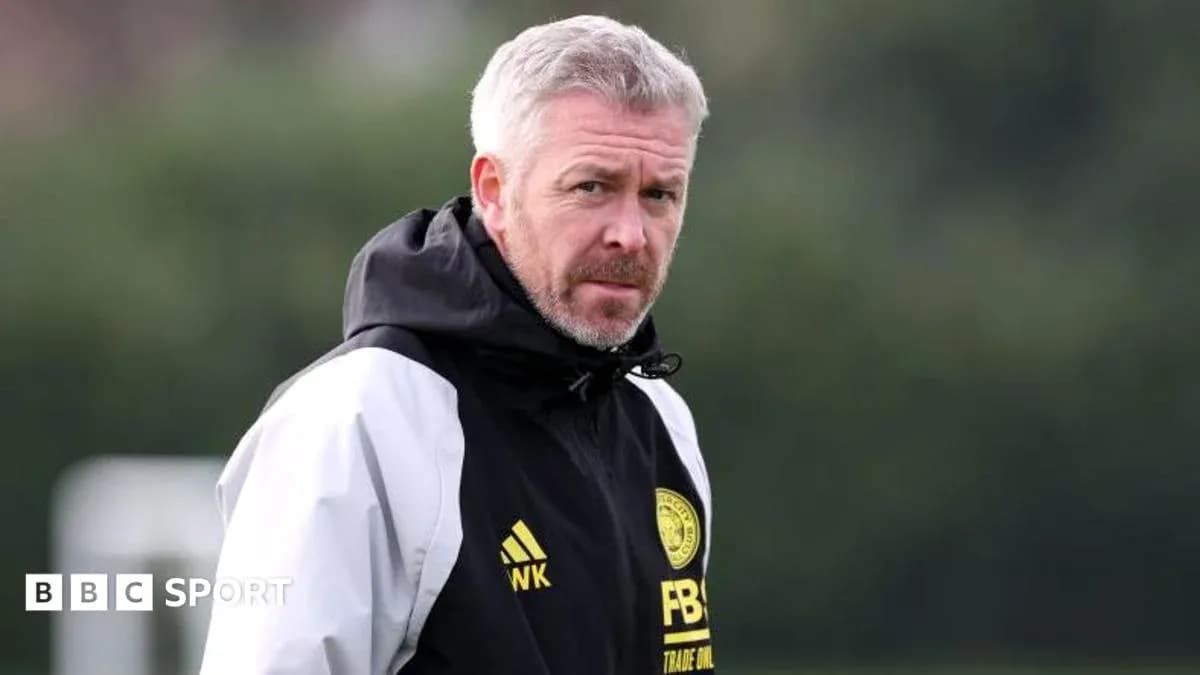
Willie Kirk has returned to English football, stepping back into the technical area as head coach of Durham’s Women’s Championship side – two years after losing his job at Leicester City Women for breaching the club’s code of conduct over a relationship with a player.
The 48-year-old Scot was dismissed by Leicester in March 2024 following an internal investigation which concluded he had been in a physical relationship with a member of his squad. The club ruled that conduct broke their standards and removed him from his role.
Player-coach relationships are not illegal under UK law when all parties are adults. The debate around them, though, has become one of the most charged issues in the women’s game, where questions of power, influence and safeguarding sit front and centre.
Durham confirmed Kirk’s appointment in a statement that focused on his coaching credentials and the club’s ambitions in the second tier. There was no reference to his Leicester exit, no mention of the investigation that ended his time in the Women’s Super League.
That omission will not go unnoticed. Codes of conduct covering relationships and professional boundaries are a formal condition of securing a WSL licence, and safeguarding structures are now hardwired into the women’s pyramid. Every club must have a safeguarding officer. Every club is expected to show it understands the duty of care owed to its players.
The issue stretches beyond one man and one club. Across women’s football, personal relationships between players and coaches have been heavily criticised for the power imbalance they can create, especially in young squads where careers and contracts can hinge on a manager’s decisions.
England head coach Sarina Wiegman has been one of the most prominent voices on the subject, calling such relationships “very inappropriate” and “not healthy”, a blunt assessment that has echoed through boardrooms and dressing rooms across the game.
Durham now sit at the intersection of those two realities: the desire to compete and climb with an experienced coach, and the responsibility to show that the safeguards shaping the modern women’s game are more than just words on a licence application.