Xabi Alonso Begins Chelsea Tenure in Sydney with Patience
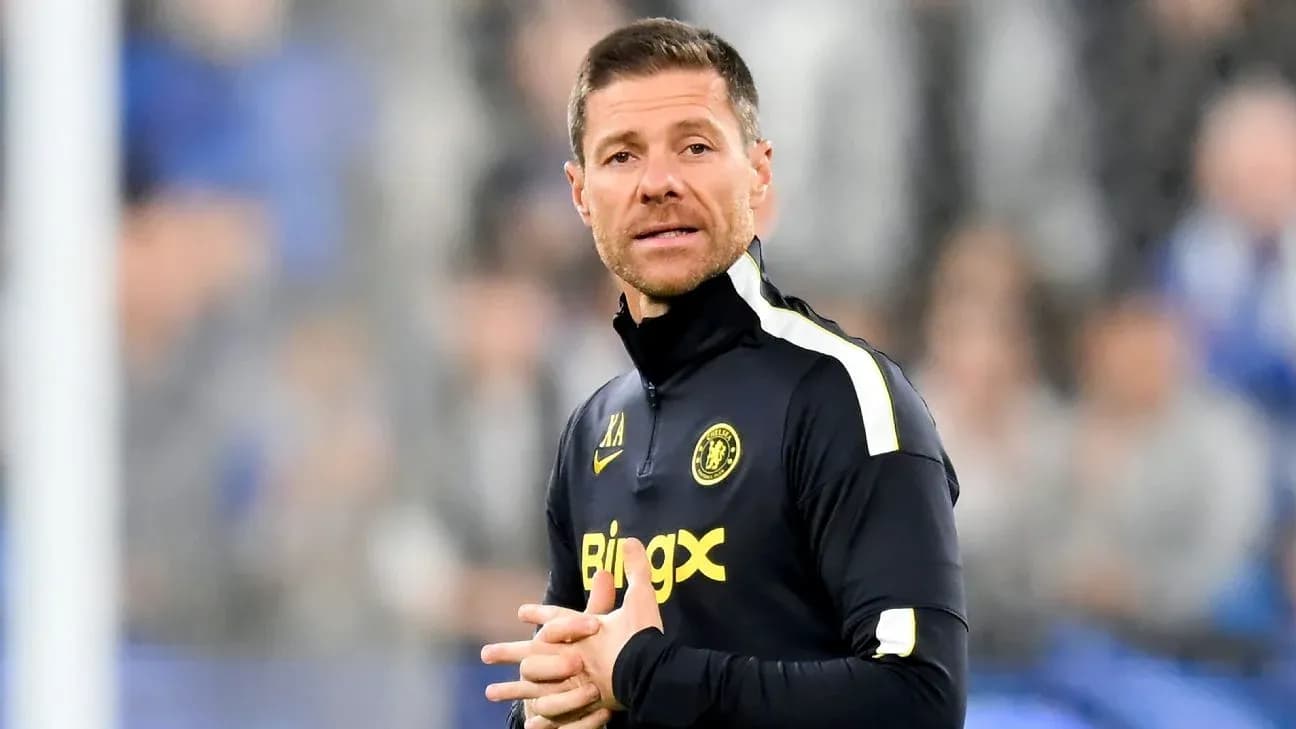
SYDNEY, AUSTRALIA — Xabi Alonso stepped into the Sydney winter light with the same composure he once brought to a Champions League midfield. Microphones crowded in, cameras snapped, questions flew. He barely raised his voice.
Patience, he said. That was the word.
Seventeen years after leaving English football, the former Liverpool conductor is back in the Premier League universe, now as Chelsea head coach, beginning his tenure on the other side of the world with a low‑key but telling pre-season stop in Australia.
The stage is modest: a Sydney Super Cup series against Western Sydney Wanderers and Tottenham Hotspur. The scrutiny is anything but.
Alonso’s calm in a very different game
Alonso built his playing legend on rhythm — on seeing the picture two passes ahead, on slowing games down while everyone else rushed. At 44, that same measured tempo carries into his management. He didn’t stride into his first major media outing as Chelsea boss with bombast or grand promises. He picked his way through questions with the same care he once used to pick out Steven Gerrard.
"It has changed a lot," he admitted of English football since he left in 2009. The league, the clubs, the coaches, the players — all bigger, faster, louder. The Premier League he returns to is a global machine, not the rising force he once patrolled in red.
Yet amid the noise, Alonso’s message cut through clearly: this will be a process, not a sprint.
"We need to go step by step," he said. "We want to have a good start, but for that we need to create good energies, good chemistry within the team, clear ideas, and that will develop for sure."
No talk of titles. No bold declarations. Just a plan.
A record signing still unseen
The first half of his brief press conference revolved around a player who isn’t even here.
Morgan Rogers, now the most expensive British footballer in history after his £117 million move to Chelsea earlier this month, remains an abstract concept to his new manager. Alonso has not yet met him. Rogers is not on the Australia tour. There is no unveiling, no training‑ground footage, no instant partnership to sell.
Yet his presence looms large.
Alonso spoke of "great qualities" within the squad and made it clear that Rogers fits into that category, even if their first handshake is still to come. The headline act will have to wait; this trip is about something else.
While London buzzes over a nine-figure signing, Sydney gets a different Chelsea: a group built around young and fringe players, sprinkled with a few established names, asked to make their case in front of new eyes.
Building a team, not a moment
This is where Alonso’s coaching philosophy starts to show. Rather than lamenting the absence of some of his biggest stars, he leaned into the opportunity. Training sessions here are quieter, more intimate, and, crucially, full of academy faces he barely knew a few weeks ago.
"We are spending time with the players from the academy that, to be honest, I didn't know that well, and they have really impressed me," he said. "Even being really young, they have top quality and are great projects to develop."
That line matters. Chelsea’s recent years have been defined by churn — new managers, new squads, new ideas, often colliding rather than aligning. Alonso is trying to slow that down, to restore a sense of progression.
He doesn’t pretend this group is complete. "For sure, we are not the whole squad," he acknowledged, but the players who are here are "doing well" and bringing "good energy." For a coach obsessed with structure and understanding, these early days are about fitting pieces together, not finishing the puzzle.
The aim in Sydney is simple: start to create the same time and space for his players that he once created with the ball at his feet. Let them see the picture.
No shortcuts, no illusions
If there was a theme to Alonso’s words, it was realism. Not defeatism, not caution for its own sake, but a refusal to dress up a long job as a quick fix.
"I'm sure that the team that will start in August won't be the same team that we finish in May," he said. "And I'm sure that team in May will be better than the first day."
That is the coach talking, not the ex‑player. It’s the language of development, of repetition on the training pitch, of a season as a journey rather than a verdict.
"I don't want to talk too early about what's our goal," he added. "We want to have a good season. We want to deserve to be as high as possible, and for that we need to work hard. We need to develop this team with new players, new coach, new ideas. Sometimes it takes longer, sometimes it happens quicker."
There is an acceptance there that Chelsea’s recent turbulence won’t be washed away by one summer and one high-profile appointment. But there is also a quiet insistence: there is a plan, and he intends to see it through.
"So be ready to try to develop this idea that we have, this plan," he said. "So far, good feeling. Good energy. The players are working hard, and that's what we want."
Sydney as the first test of rhythm
Chelsea’s new era will not be defined by what happens at Accor Stadium on July 28, when they face Western Sydney Wanderers at 7:45 p.m. AEST (10:45 a.m. BST). The result will fade quickly. The details will not.
How quickly do the young players grasp his demands? How sharply do the patterns of play begin to emerge? How does a squad still missing key figures respond to a coach who refuses to rush the process?
Alonso’s playing career was built on turning chaos into control, on bending games to his tempo. Now he has to do it with an entire club.
Sydney is only the first note. The real question is how long he’ll be allowed to keep the beat.