AC Milan's Chaotic 3-2 Defeat to Atalanta: Tactical Insights
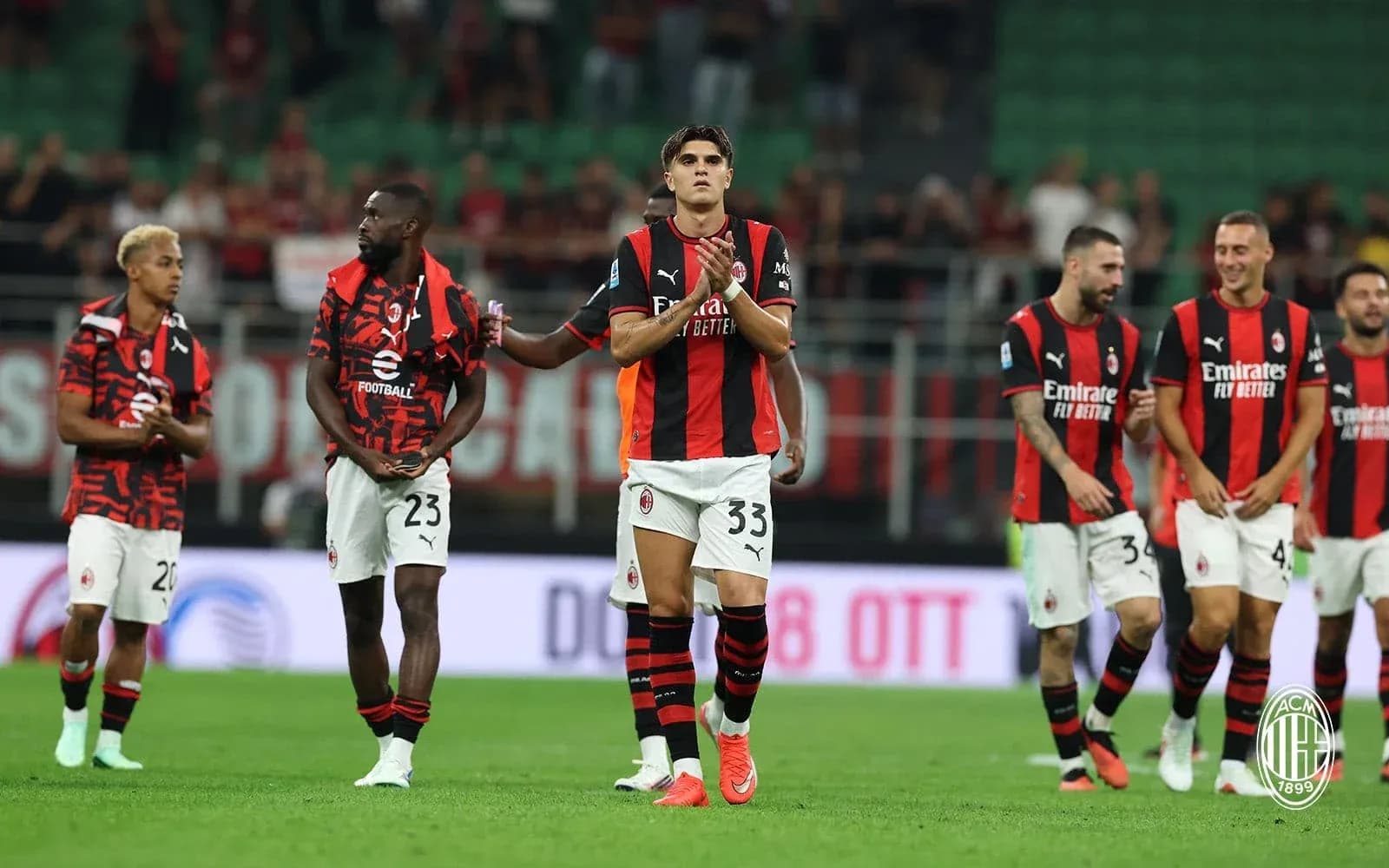
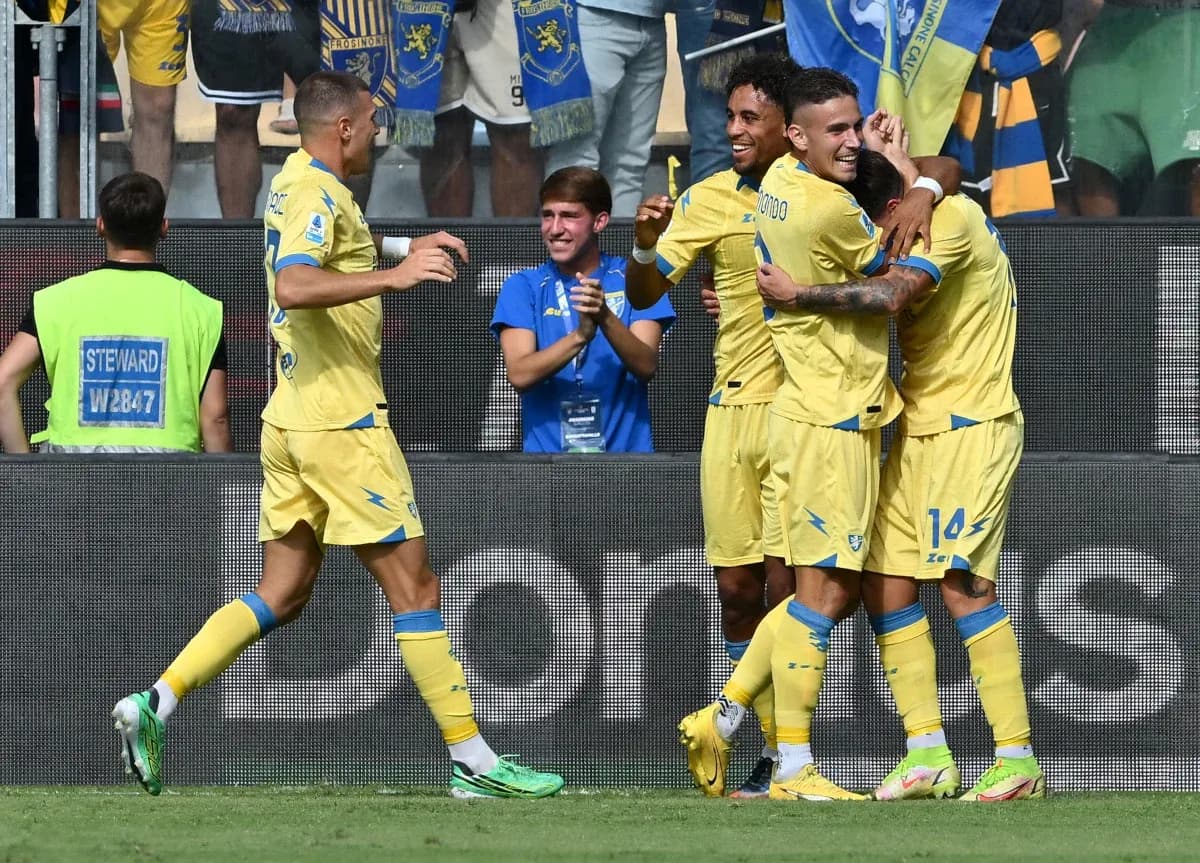
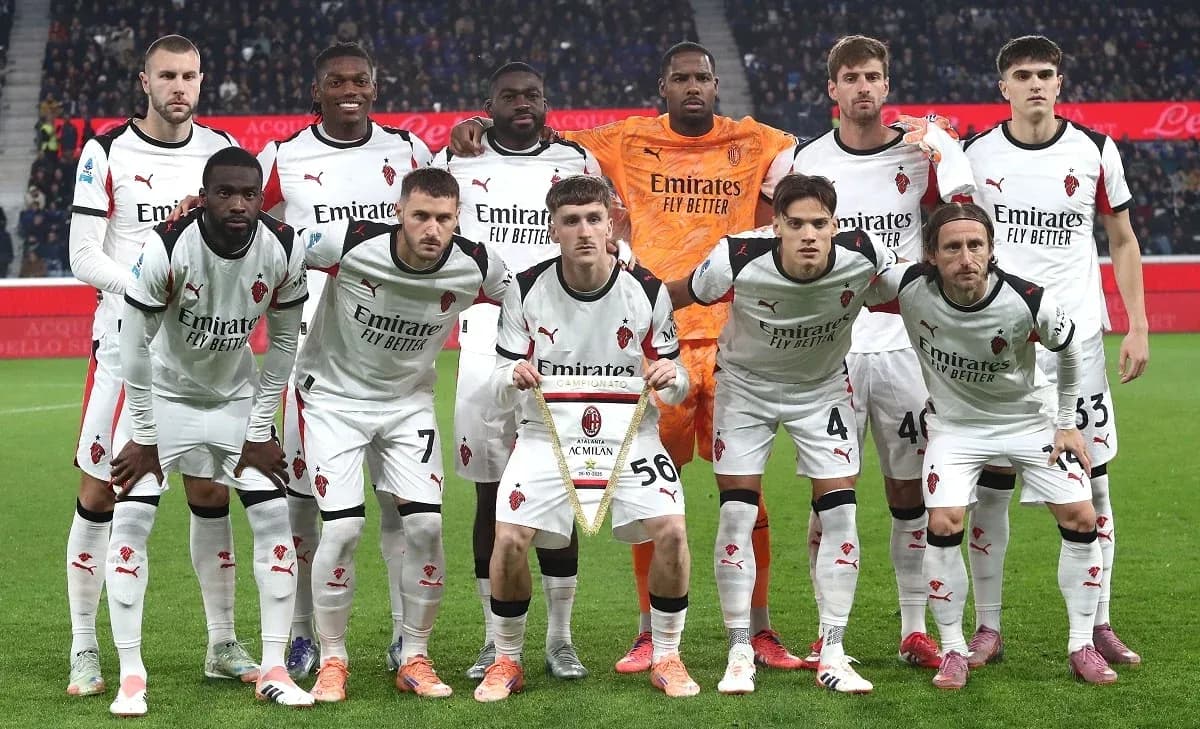
Under the lights of Stadio Giuseppe Meazza, this was supposed to be AC Milan’s statement of control in a Champions League-chasing run-in. Instead, it became a chaotic 3-2 defeat to Atalanta that exposed structural fissures in a side whose season-long numbers suggest far more stability than this ninety-minute storm delivered.
Heading into this game, Milan were 4th in Serie A on 67 points, with a goal difference of 18 built on 50 goals scored and 32 conceded across 36 matches. The underlying profile is that of a controlled contender: only 7 league defeats overall, 15 clean sheets in total, and just 0.9 goals conceded on average per match. At home they had been solid if not spectacular, with 9 wins from 18, scoring 24 and conceding 19. Atalanta arrived in Milan 7th on 58 points, goal difference 16 (50 for, 34 against), the league’s draw specialists with 13 stalemates in total and a perfectly balanced attack: 25 goals at home, 25 on their travels, averaging 1.4 goals per game both home and away.
Yet the script was torn up inside 45 minutes. Atalanta’s 3-4-2-1, their most-used shape this season with 32 league appearances, immediately targeted Milan’s back three of K. De Winter, M. Gabbia and S. Pavlovic. With C. De Ketelaere and G. Raspadori floating behind central spearhead N. Krstovic, the visitors repeatedly found pockets between Milan’s wide midfielders and outside centre-backs. The half-time scoreline of 2-0 to Atalanta was the tactical manifestation of that asymmetry: Atalanta’s front three dragging Milan’s line horizontally, Milan’s wing-backs pinned, and the Rossoneri’s midfield five unable to compress the central lanes quickly enough.
The absences shaped everything. Milan went into this fixture without L. Modric (broken cheekbone), C. Pulisic (muscle injury) and F. Tomori (suspended after a red card). The loss of Modric’s tempo-setting and Pulisic’s direct running stripped Massimiliano Allegri’s 3-5-2 of two of its most subtle weapons: vertical passing from deep and wide one‑v‑one threat. Tomori’s ban forced a reconfiguration at the back, placing heavy responsibility on Gabbia as the central pillar of the three.
On the other side, Atalanta were missing L. Bernasconi and B. Djimsiti, the latter usually a key reference in their back line. Raffaele Palladino responded by leaning on G. Scalvini, I. Hien and S. Kolasinac as a physically dominant but mobile trio. Their ability to defend large spaces behind an aggressive midfield line allowed Atalanta to squeeze the game and keep Milan’s forwards, S. Gimenez and Rafael Leao, running into traffic rather than open grass.
Discipline, always a lurking theme in these sides’ season-long data, hovered over the contest. Milan’s yellow-card distribution has a pronounced late-game spike: 25.42% of their bookings arrive between 76-90 minutes, part of a broader pattern where emotional and physical fatigue creeps in. Atalanta, too, are combustible late on: 22.81% of their yellows come from 76-90, and they have already seen red twice this league campaign, with 50.00% of those dismissals in the opening 0-15 minutes and 50.00% in the 76-90 window. This match never tipped fully into disciplinary chaos, but the undercurrent was there—two high-intensity systems, both accustomed to walking the edge.
In the “Hunter vs Shield” matchup, the pre-game numbers were razor-close. Overall, Milan and Atalanta both averaged 1.4 goals scored per match. Atalanta’s away attack, at 1.4 goals on their travels, was confronting a Milan defence conceding 1.1 goals per game at home. On paper, that suggested a marginal edge for Milan’s rearguard. On the night, the absence of Tomori and the structural exposure of the wing-backs flipped that equation: Krstovic, one of Serie A’s top scorers with 10 goals and 5 assists overall, became the reference point for everything Atalanta did. His 74 total shots and 258 duels this season speak to a forward who thrives on constant engagement; against Milan, his movement dragged Gabbia and De Winter into uncomfortable zones, opening corridors for late arrivals.
Behind him, De Ketelaere embodied the “Engine Room” duel. As one of the league’s leading assist providers with 5 assists, 60 key passes and 100 dribble attempts, his role was to unpick Milan’s compact central block of R. Loftus-Cheek, S. Ricci and A. Rabiot. Milan’s trio, on paper, had the physicality and tactical intelligence to hold the middle, but without Modric’s metronomic presence, their possession phases were more laboured. De Ketelaere repeatedly found half-spaces between Ricci and Rabiot, forcing Milan’s back three to step out and fracturing the line.
For Milan, Leao was the designated hunter. With 9 goals and 3 assists this Serie A season, plus 20 key passes and 55 dribble attempts, he is the chaos agent in Allegri’s 3-5-2. His nominal partnership with Gimenez was designed to stretch Atalanta’s back three horizontally, but too often he was isolated, receiving with his back to goal or wide with two defenders in attendance. Atalanta’s structure, with De Roon and Ederson screening in front of the back line, meant Leao’s dribbles tended to end in crowded channels rather than clean breaks.
On the benches, the tactical vectors were clear. Milan had N. Fullkrug and C. Nkunku as alternative profiles up front, and P. Estupinan—one of Serie A’s top red-carded players this season—offering thrust and risk from wide areas. Atalanta could turn to G. Scamacca, another of the league’s 10-goal forwards, as a late-game target man, or L. Samardzic as an extra creative conduit. The 3-2 scoreline underlined how both squads were built to tilt matches with attacking changes rather than simply shutting them down.
Following this result, the statistical prognosis for both is nuanced. Milan’s overall defensive record—32 goals conceded in 36 matches, 15 clean sheets, and 0.9 goals against on average—still paints a picture of solidity, but the structural stress points are obvious when a key centre-back is missing and the midfield lacks its primary controller. Atalanta, with 50 goals scored and 34 conceded overall and a nearly identical xG profile to Milan across the season, confirmed what the numbers had long implied: they are a top-four calibre attack with enough defensive organisation (only 34 goals allowed in 36 games) to survive high-tempo away battles.
In narrative terms, this 3-2 in Milan felt less like an anomaly and more like a glimpse of the knife-edge on which both projects live. Milan’s ceiling remains high, but their margin for error without Modric, Pulisic and Tomori is thin. Atalanta, meanwhile, continue to prove that their 3-4-2-1, powered by the creativity of De Ketelaere and the relentlessness of Krstovic, can unpick even the league’s most statistically robust defences when the press is synchronised and the front three are brave enough to live between the lines.