Barcelona vs Real Madrid: A Tactical Showdown at Camp Nou
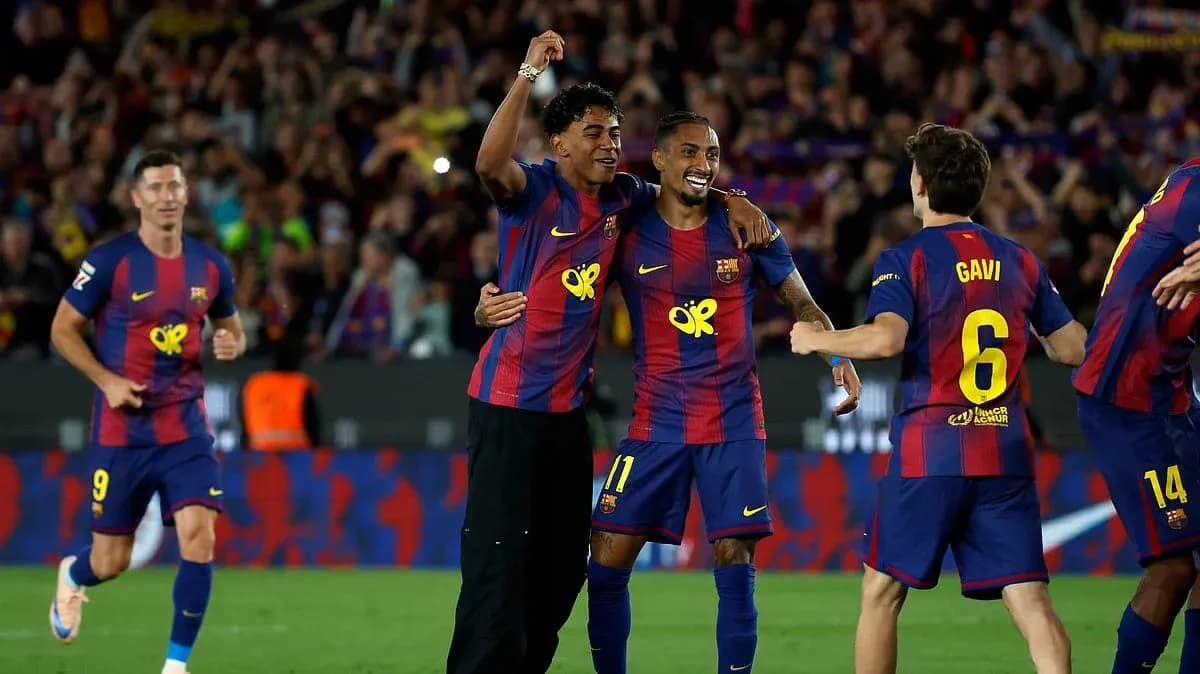
Under the Camp Nou lights, this clásico arrived as a summit meeting. Barcelona, leaders of La Liga with 91 points and a fearsome +60 goal difference (91 scored, 31 conceded overall), hosted second‑placed Real Madrid on matchday 35. The context was clear: Hansi Flick’s side, perfect at home with 18 wins from 18, against Alvaro Arbeloa’s Madrid, the best of the rest and still clinging to a mathematical title hope. By the final whistle, a 2–0 Barcelona win had underlined the balance of power in Spain as much as the tactical gulf on the night.
Flick doubled down on his season’s blueprint, reverting to the 4‑2‑3‑1 that has started 25 league games. J. Garcia in goal sat behind a back four of J. Cancelo, P. Cubarsi, E. Garcia and G. Martin. Ahead of them, the double pivot of Gavi and Pedri formed the control centre, with an aggressive line of three – M. Rashford, Dani Olmo and Fermín – rotating behind lone striker Ferran Torres. It was a structure built to press high, keep the ball and flood the half‑spaces.
Arbeloa mirrored the shape on paper – a 4‑2‑3‑1 – but with a very different personality. T. Courtois anchored a defence of T. Alexander‑Arnold, R. Asencio, A. Rudiger and F. Garcia. E. Camavinga and A. Tchouameni formed the double screen, with B. Diaz and J. Bellingham supporting Vinicius Junior behind central forward G. Garcia. Without Kylian Mbappé, F. Valverde, Rodrygo, A. Guler, Eder Militao and F. Mendy – all listed as missing – Madrid arrived stripped of pace, depth and balance in every line. D. Carvajal and D. Ceballos were also out, further thinning the options.
Those absences shaped the game’s tactical voids. Barcelona, even without the injured Lamine Yamal and A. Christensen, could still field and bench elite creators and finishers: Ferran Torres, Dani Olmo, Pedri, Gavi and M. Rashford all started, with R. Lewandowski and Raphinha in reserve. Madrid, by contrast, had to lean on Vinicius Junior as both outlet and primary threat, with J. Bellingham forced into dual duty as playmaker and arriving runner, and a relatively inexperienced G. Garcia leading the line.
Heading into this game, the numbers told you why Barcelona were favourites. Overall they averaged 2.6 goals scored and just 0.9 conceded per match, with a devastating 3.0 goals scored at home against only 0.5 conceded. They had not lost at Camp Nou all season. Real Madrid, for all their quality, were operating at a slightly lower attacking clip – 2.0 goals per game overall, 1.7 on their travels – and conceding 1.1 away. Both sides shared an identical overall defensive average of 0.9 goals conceded per match, but Barcelona’s home defensive wall was on another level.
First Half
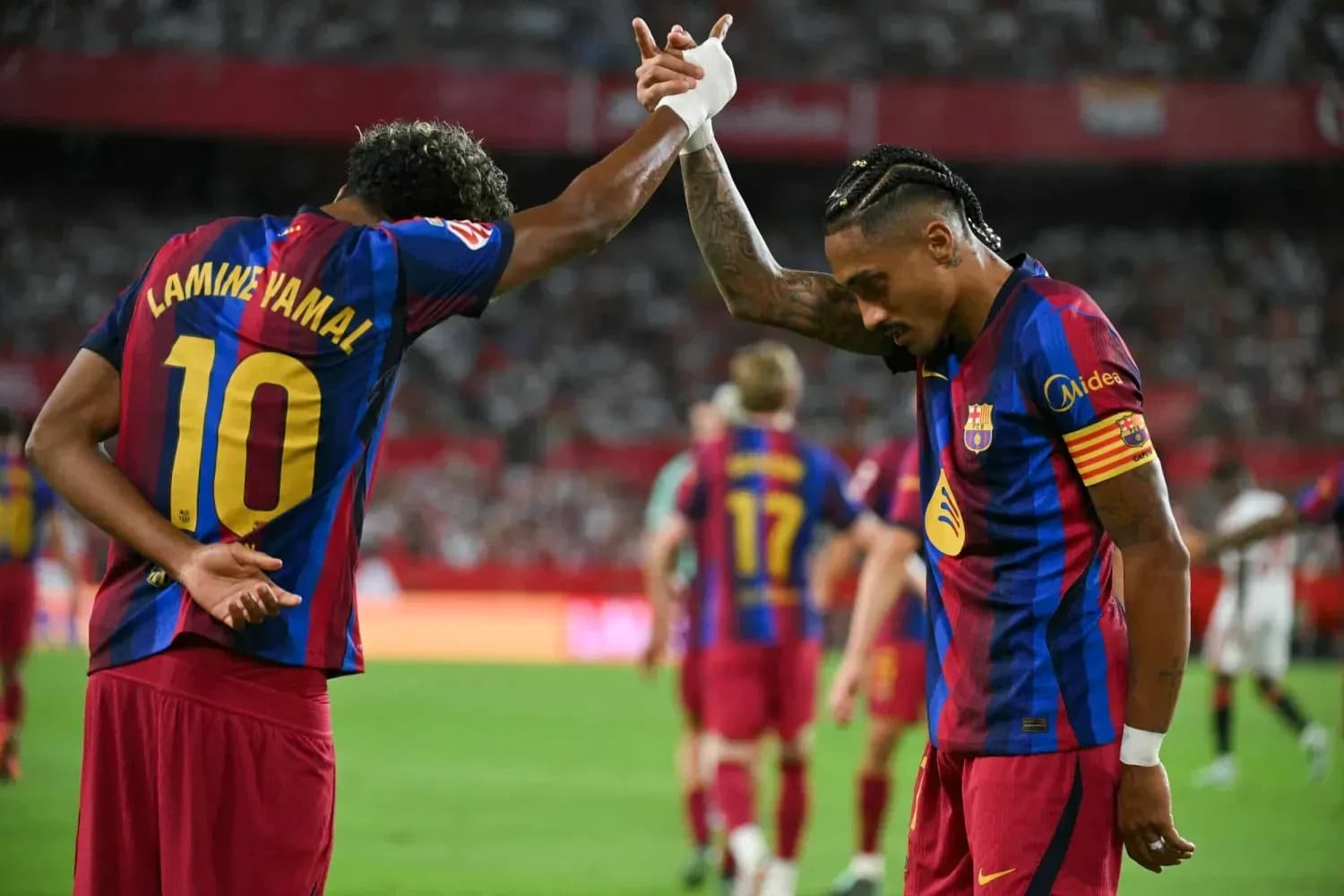
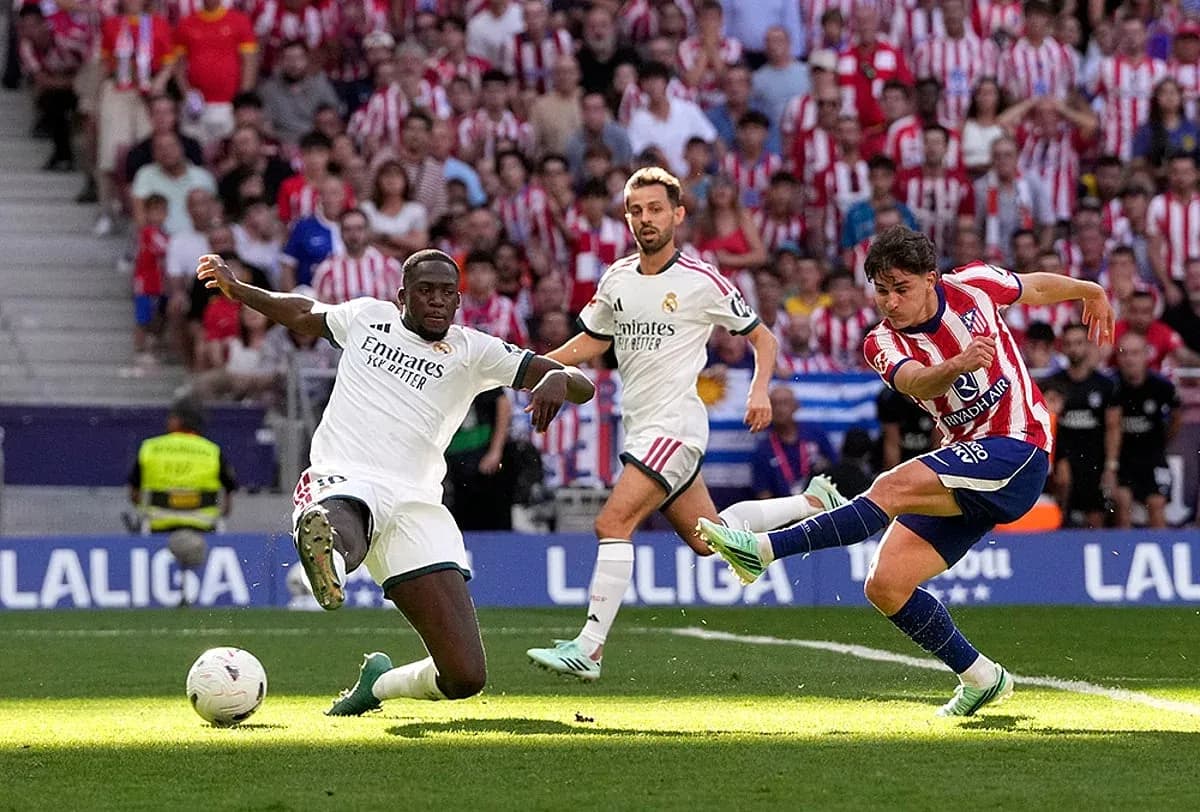
The first half, which Barcelona took 2–0, was a distillation of those trends. Flick’s 4‑2‑3‑1 compressed into a 2‑3‑5 in possession: Cancelo and G. Martin pushed high, Gavi dropped alongside E. Garcia and Cubarsi to build, and Pedri drifted between Madrid’s lines. Rashford and Fermín attacked the half‑spaces, dragging Rudiger and R. Asencio wide and opening central lanes for Ferran Torres. The home side’s high press, led by Ferran and backed by the energy of Gavi and Rashford, repeatedly trapped Madrid as they tried to play through Camavinga and Tchouameni.
Arbeloa’s mirrored shape never quite became a mirror on the pitch. With no Valverde to shuttle and no Mbappé or Rodrygo to threaten depth, Madrid’s 4‑2‑3‑1 often sagged into a 4‑5‑1 block, Vinicius Junior isolated on the left. T. Alexander‑Arnold and F. Garcia were pinned back by Rashford and Fermín, which blunted Madrid’s ability to overload wide areas. J. Bellingham was forced to drop deeper to connect play, leaving G. Garcia outnumbered against Cubarsi and E. Garcia.
In disciplinary terms, the pre‑match patterns also mattered. Heading into this game, Barcelona’s yellow card profile showed a pronounced spike between 46–60 minutes (27.59%) and another late surge from 76–90 minutes (20.69%). Madrid, meanwhile, concentrated their bookings between 31–45 minutes (19.12%) and 61–75 minutes (22.06%). That statistical rhythm hinted at a clásico that would grow more fractious around the interval and into the final third of the match, exactly when fatigue and tactical tweaks collide.
Key Players
The “Hunter vs Shield” duel was defined as much by absences as by those on the pitch. The league’s top scorer Kylian Mbappé, with 24 goals and 8 penalties scored but 1 missed, was unavailable, stripping Madrid of their most ruthless finisher. The burden fell on Vinicius Junior, whose 15 league goals and 5 assists, backed by 189 dribble attempts and 86 successful, made him Madrid’s chaos agent in chief. Against him stood a Barcelona back line that, at home, conceded just 9 goals in 18 matches. The 2–0 final score was the ultimate vindication of that shield: Barcelona’s structure funnelled Vinicius into traffic, and without Mbappé or Rodrygo to stretch the opposite channel, the visitors’ attack became predictable.
In the “Engine Room”, Pedri and Gavi were the metronomes. Pedri’s season numbers – 1908 passes with 59 key passes at 91% accuracy – underline his role as the conductor, while Gavi’s aggression without the ball allowed Barcelona to suffocate Madrid’s double pivot. On the other side, Camavinga and Tchouameni had to contain not just Pedri, but also the drifting Dani Olmo, whose 8 assists and 45 key passes this season speak to his ability to break lines. With F. Valverde missing, Madrid lacked the extra runner to turn regains into counters; too often, Camavinga’s first pass went sideways rather than into space for Vinicius.
From a statistical prognosis standpoint, this result aligned almost perfectly with expectation. Barcelona’s home attack at 3.0 goals per game and Madrid’s away defence at 1.1 conceded suggested a multi‑goal output for the hosts, while the champions‑elect’s home defensive average of 0.5 made a clean sheet more likely than not. Real Madrid’s own away attack at 1.7 goals per game hinted at chances, but the absence of Mbappé, Valverde and Rodrygo dulled their xG ceiling. Following this result, the story is of a Barcelona side whose structural superiority, squad depth and home ferocity turned a high‑stakes clásico into a controlled statement – and of a Real Madrid forced to fight a title‑defining battle without half of its arsenal.