Bartomeu Reveals Club Ready to Trigger Messi's €400m Release Clause
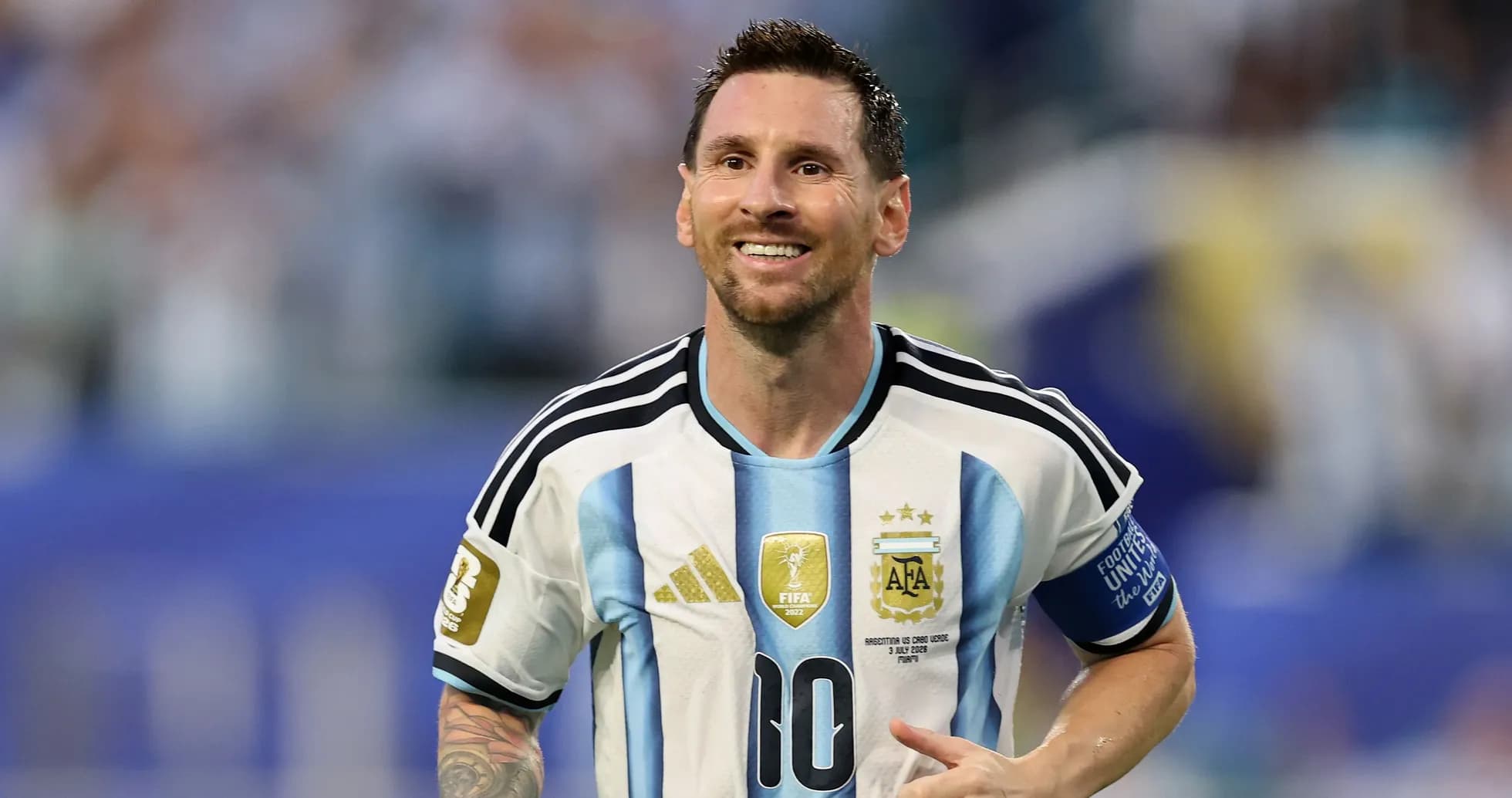
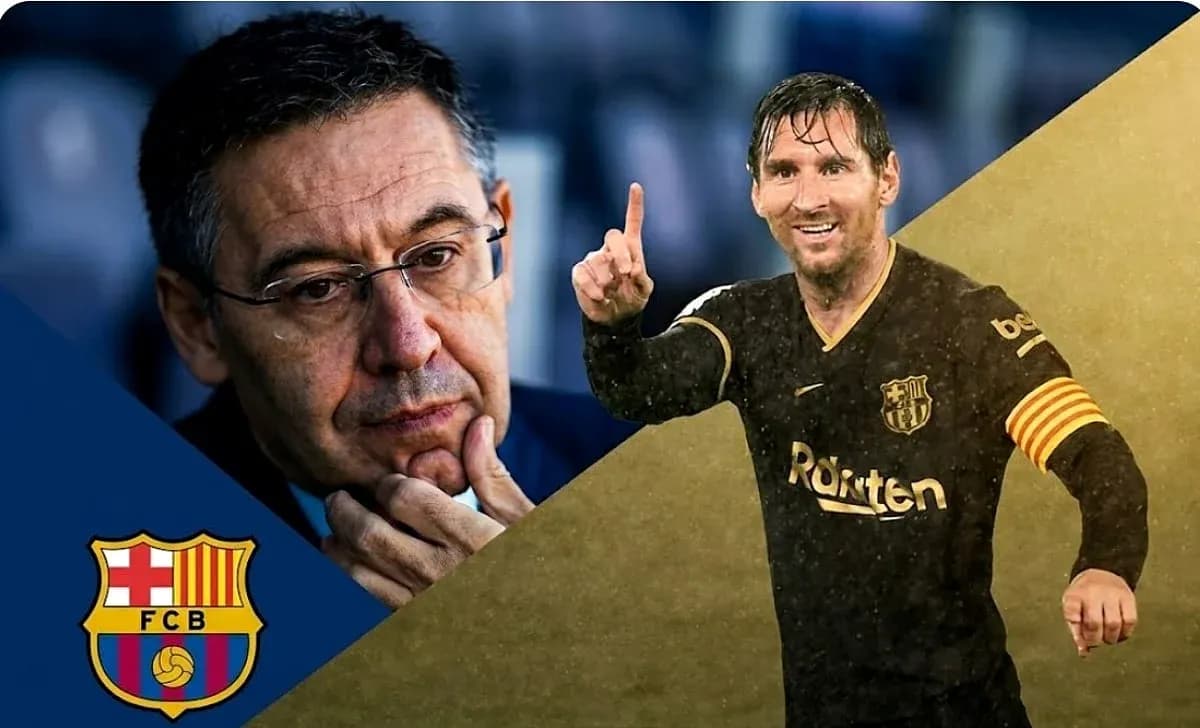
Josep Maria Bartomeu says a club was ready to pay Lionel Messi’s €400m release clause – and insists Barcelona’s No 10 was actually “paid little” for what he brought in.
The former Barcelona president, still a deeply divisive figure at Camp Nou, lifted the lid on the episode in a wide-ranging interview with Spanish newspaper ABC, published in April 2026. For many Barça fans, his name is synonymous with the financial chaos that engulfed the club. Yet once Messi’s name enters the conversation, everything else fades into the background.
The 2017 scare: “They were ready to pay”
Bartomeu went back to 2017, the summer when Neymar left for Paris Saint-Germain in a world-record deal and sent the transfer market into a spiral.
Not long after that move, Bartomeu says Barcelona received a stark warning: another club was seriously considering triggering Messi’s €400m release clause. He did not identify the team, nor hint at which league they came from, but the message was clear enough to jolt the Barça hierarchy.
That alert set off a race inside the club. Losing Neymar was one thing. Watching Messi walk out because a clause had been met would have been unthinkable.
Emergency talks and a new clause
According to Bartomeu, Barcelona moved quickly. The board arranged a meeting with Messi and his father, Jorge, to lock down the Argentine’s future and remove any doubt over his continuity.
The talks ended with a new agreement. The release clause jumped from €400m to €700m, a figure that at the time felt beyond the reach of even the richest state-backed clubs. Messi signed that deal in November 2017, a signature that briefly calmed nerves in Catalonia.
For Bartomeu, it was proof that the club had acted decisively when Messi’s future looked vulnerable.
“Messi was actually paid little”
The former president also took aim at one of the most frequent criticisms of his tenure: the size of Messi’s salary.
Bartomeu argued that the numbers only told half the story. He claimed Messi generated more money for Barcelona than he cost, both on the pitch and commercially. From trophies and matchday revenue to shirt sales and global sponsorships, the Argentine’s presence, he said, underpinned the club’s modern empire.
In that context, Bartomeu went as far as to say Messi was “paid little” when weighed against the value he created for Barcelona. It is a line that cuts directly against the narrative that Messi’s contract helped sink the club’s finances.
The 2021 exit and a familiar blame game
Inevitably, the conversation turned to 2021 and the moment Messi finally left Barcelona.
Bartomeu pointed the finger at the current board, suggesting they should carry the responsibility for the way the story ended. It is not the first time he has pushed that stance; he has repeated similar arguments in other interviews as he tries to reshape how his presidency is remembered.
Those comments have reopened old wounds among supporters. Some still see Bartomeu as the architect of the financial collapse that made Messi’s departure possible. Others, more sympathetic, argue that the club’s problems are more complex and spread across several administrations.
The divide is obvious. So is the fatigue. Yet every time a new detail emerges about Messi’s time at Barcelona – a secret clause, a dramatic meeting, a club ready to drop €400m – the debate roars back to life.
Years after his exit, Messi still dictates the conversation at Camp Nou. And with stories like this surfacing, that hold does not look like loosening any time soon.