Bayern's Tactical Tensions: Bischof's Insights and Kompany's Counter
Tom Bischof walked out of Wolfsburg with three points in his pocket and a minor storm at his back.
The young midfielder had gone the distance in Bayern’s 1-0 win, seen the chaos of recent weeks up close, and decided to say what he saw. Too many chances conceded. Too many goals shipped. Not enough counter-pressing.
"Conceding so many goals and facing so many chances is never good," he told Sky, before cutting to the heart of his frustration. From the sidelines, from the pitch, it looked the same to him: that crucial first reaction after losing the ball simply wasn’t there often enough. The distances felt longer, the sprints more desperate.
"That's why we often have to cover unnecessarily long distances," he said. "When we press high and fast, we score plenty of goals. Lately, though, we've conceded far too many."
He wasn’t wrong about the numbers. Bayern, the club that built a dynasty on control, had recently leaked five in Paris, three in Mainz, and another three at home to Heidenheim. For a side that still expects to suffocate opponents, those figures sting.
But his interpretation of why it was happening met a hard stop with his manager.
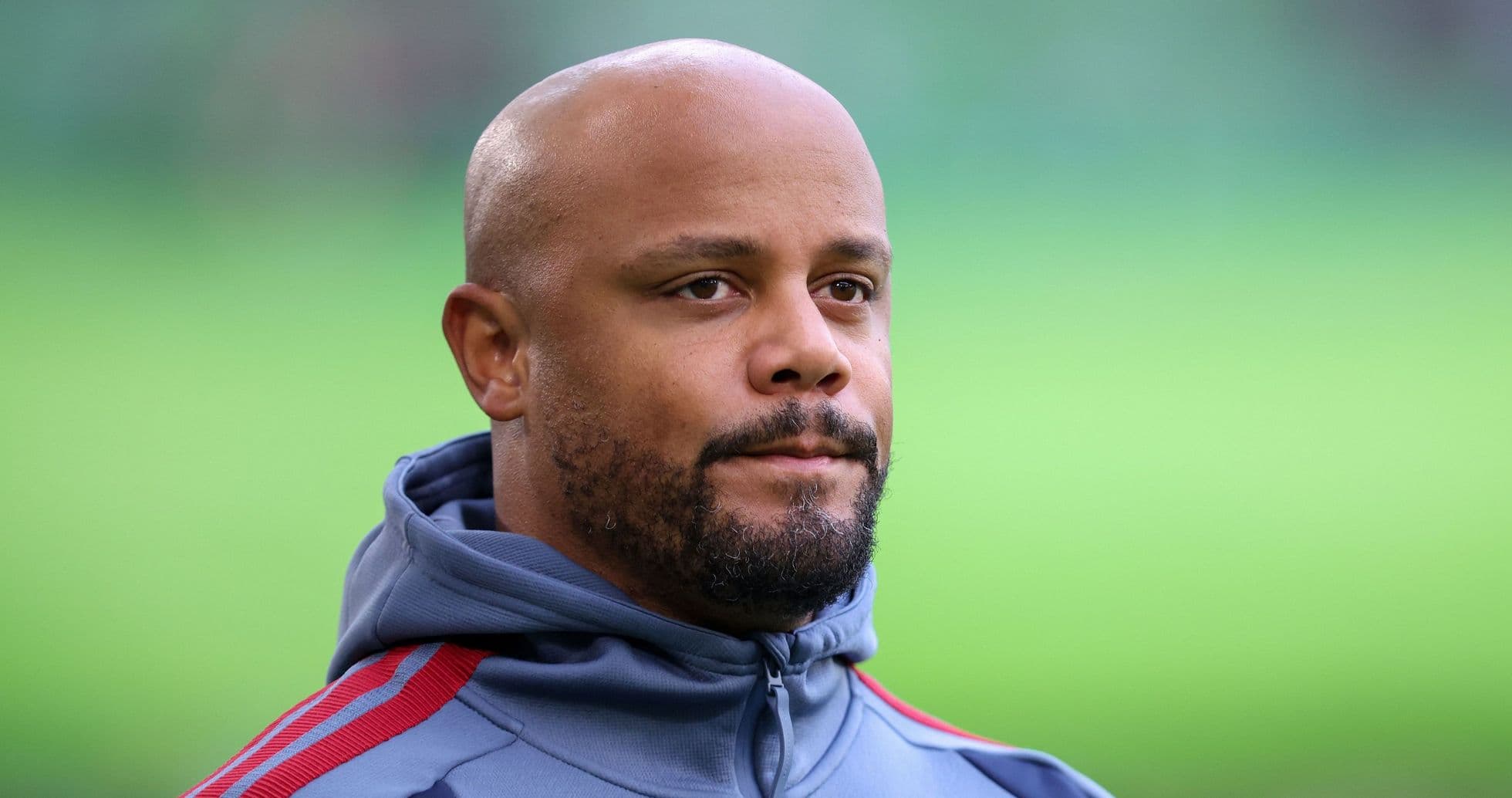
Vincent Kompany did not let the narrative run.
"No, of course not," he replied on Sky when asked if Bischof had nailed the problem. "He's a young player and he made a mistake in that interview."
The 40-year-old didn’t attack the player. He attacked the idea. In Kompany’s view, the issue in Wolfsburg wasn’t a lack of counter-pressing, but the chaos before it could even start.
He pointed to the first half, when Wolfsburg repeatedly broke Bayern’s structure and forced them into constant defensive fire-fighting. If you keep losing the ball instantly, Kompany argued, you never even reach the point where a coordinated counter-press makes sense.
"You can't counter-press a hundred times if you keep losing possession straight away," he said. "The issue isn't a lack of desire to press; you simply can't win games that way. You don't have to decide games in the first ten or 15 minutes. You can counter-press once, twice, maybe three times, but eventually your legs will give out."
For Kompany, the turning point came after the interval. Bayern stopped trying to force everything at once and started to hold the ball, to breathe. The game slowed to their rhythm.
After the break, they dominated possession, and the coach made clear that wasn’t a coincidence. It was, as he put it, "down to our behaviour when in possession" – a neat way of saying that structure with the ball protects you without it.
Kompany didn’t fan the flames around Bischof. He defused them with a shrug and a wink.
"Tom's a great lad, but I had a bit more perspective straight after the match," he said, drawing a line under the brief tactical disagreement. The message was obvious: the hierarchy of ideas at Bayern still runs through the coach.
The win itself carried its own storyline. Harry Kane, flawless from the spot in the Bundesliga until now, finally blinked. After 24 successful penalties, he missed his first in Germany. On another night, that might have haunted Bayern.
Instead, Michael Olise stepped forward and settled it with a stunning strike, the kind of moment that slices through tension and rewrites the mood of a week. One flash of quality, one clean hit, and Bayern walked away from Wolfsburg with a narrow but vital 1-0 victory.
Upcoming Challenges
Now comes the sprint finish.
On the final matchday, Munich host newly promoted 1. FC Köln, a fixture that should be routine on paper but cannot be treated that way in a season that has already punished complacency. A week later, it’s VfB Stuttgart in Berlin in the DFB Cup final – defending champions, high on confidence, and anything but intimidated by Bayern’s badge.
The debate about pressing, possession, and distances run will continue inside Säbener Straße. The next two games will show whose version of Bayern takes the field when the stakes are at their highest.