Bournemouth vs Manchester City: Tactical Draw Analysis
Bournemouth and Manchester City played out a 1-1 draw at Vitality Stadium that was tactically rich and emotionally brutal for the hosts. Bournemouth led from the 39th minute until the 90th, only for Erling Haaland to level late and deny Andoni Iraola a statement win in Round 37 of the Premier League. The data underlines how Bournemouth’s aggressive 4-2-3-1 and high-intensity pressing almost outmanoeuvred Pep Guardiola’s more patient 4-1-4-1, despite City edging possession 55% to 45% and leading 14-10 in total shots.
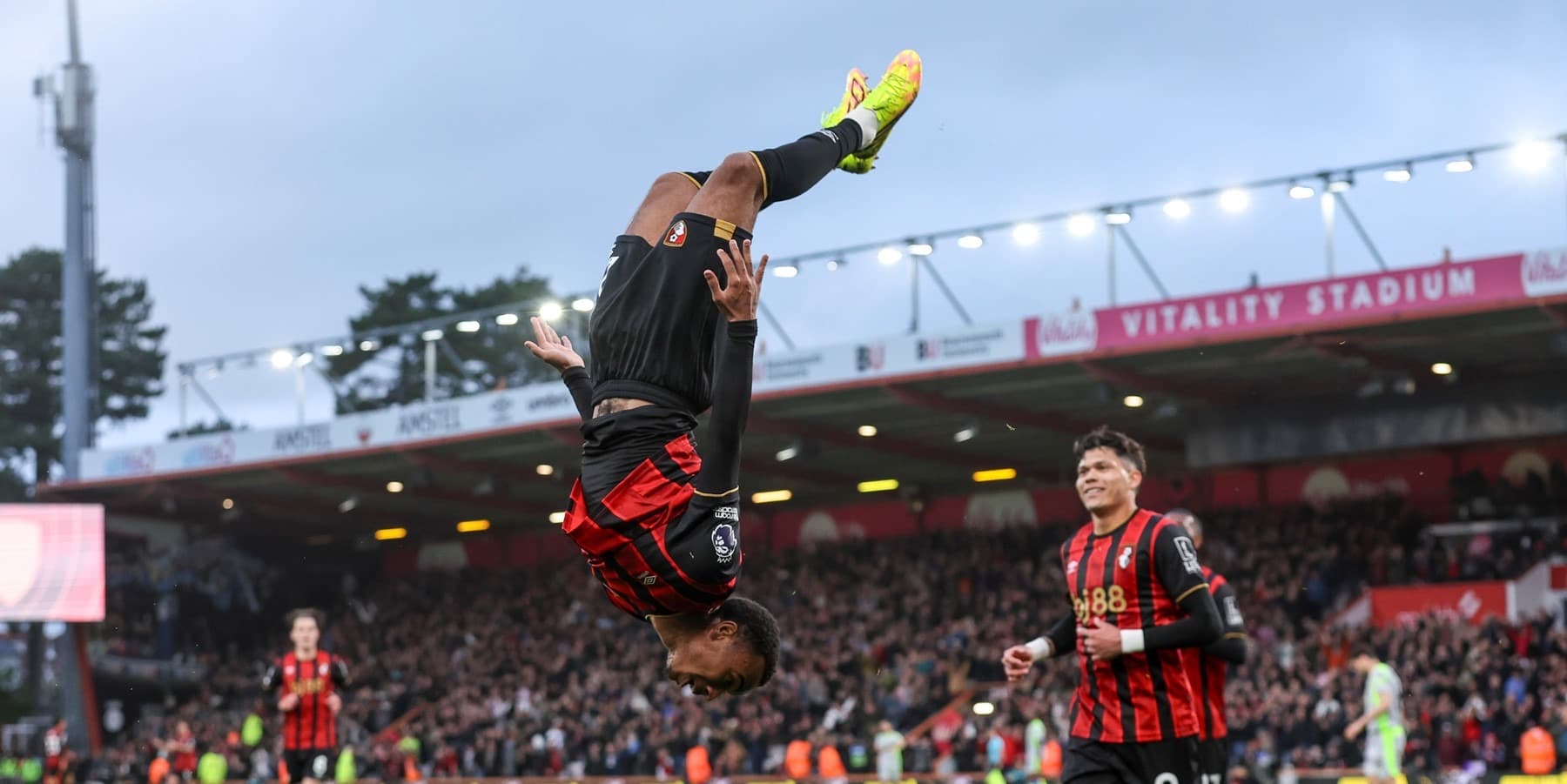
The scoring opened on 39 minutes: E. J. Kroupi (Bournemouth) finished a move created by overlapping left back A. Truffert, who supplied the assist from the left. That goal reflected Bournemouth’s early plan: attack City’s right side, where M. Nunes was used as a nominal right back in the visitors’ back four. Bournemouth went in 1-0 up at half-time, fully aligned with the xG balance (1.99 to City’s 1.68 overall) that suggested their lead was not a fluke.
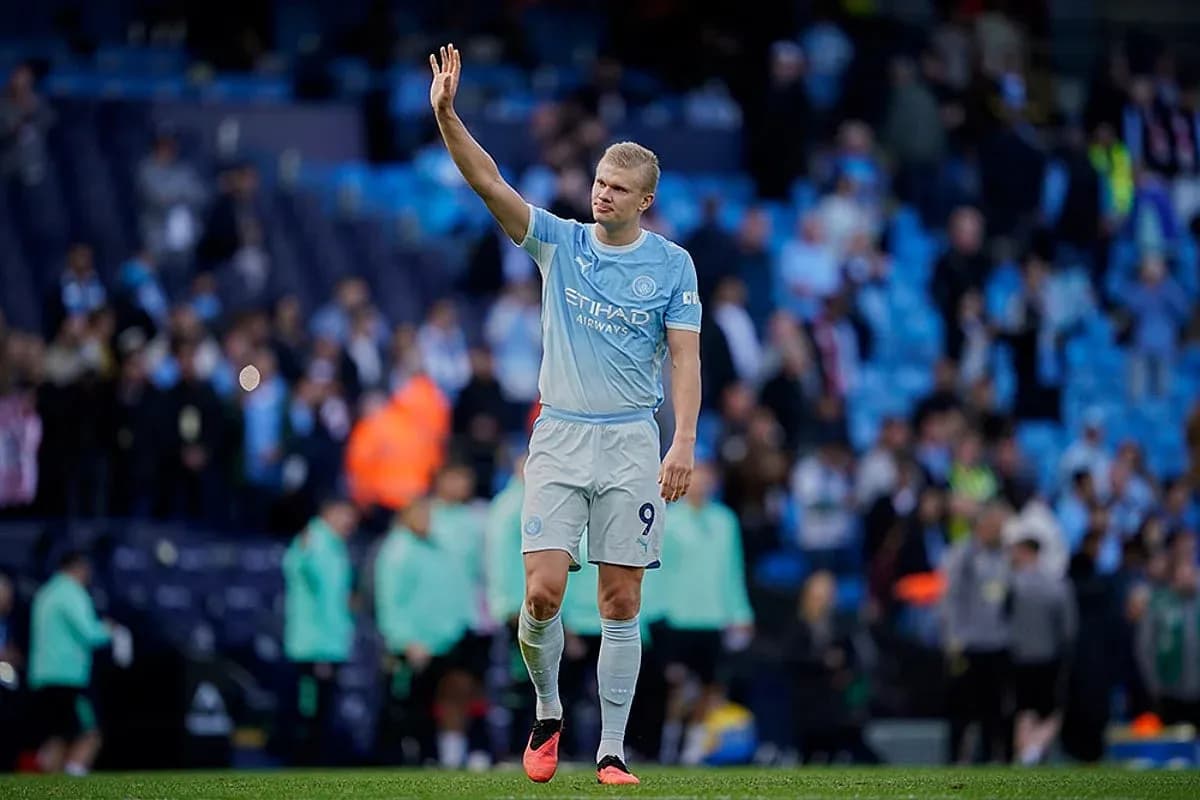
The equaliser came right at 90': Erling Haaland (Manchester City) struck without an assist, a classic penalty-box intervention at the end of sustained City pressure. Tactically, it capped a second half in which Guardiola’s changes gradually pinned Bournemouth deeper and converted territorial dominance into a decisive late chance.
Disciplinary control was a hidden but important layer. Bournemouth collected four yellow cards, Manchester City one; total five.
Chronological Card Log
- 37' Tyler Adams (Bournemouth) — Argument
- 59' James Hill (Bournemouth) — Foul
- 90+3' Justin Kluivert (Bournemouth) — Argument
- 90+3' Rodri (Manchester City) — Argument
- 90+6' Adrien Truffert (Bournemouth) — Foul
Adams’ first-half “Argument” card at 37' underlined the emotional edge of Bournemouth’s pressing game; Hill’s 59' “Foul” came as City began to find spaces between lines. The three late cards at 90+3' and 90+6' — two for Bournemouth, one for City — reflected a tense, fractured finale as Bournemouth tried to protect their narrow lead and City pushed numbers forward.
Iraola’s 4-2-3-1 was built on a compact double pivot and aggressive wide play. D. Petrovic in goal anchored a back four of A. Smith, James Hill, M. Senesi and A. Truffert. Tyler Adams and A. Scott formed the central screen, with Rayan, E. J. Kroupi and M. Tavernier behind Evanilson as the lone striker.
Out of possession, Bournemouth used Adams and Scott to jump onto City’s interior midfielders, particularly B. Silva and M. Kovacic, while the wingers tracked City’s full backs. The 16 fouls committed, compared to City’s 7, show a deliberate willingness to disrupt rhythm. Yet Bournemouth’s structure was not purely destructive: they produced 10 total shots, 6 inside the box, and a strong xG of 1.99, indicating they created several high-quality openings rather than relying on low-percentage efforts.
Truffert was central to the attacking plan. From left back he pushed high to join Tavernier and Kroupi, overloading City’s right and directly assisting the opener. His late yellow card for “Foul” at 90+6' came as he was forced into emergency defending under City’s final siege — a mirror image of his earlier offensive influence.
Guardiola’s starting 4-1-4-1 had G. Donnarumma in goal, a back four of M. Nunes, A. Khusanov, M. Guehi and N. O’Reilly, Rodri as the single pivot, with A. Semenyo, B. Silva, M. Kovacic and J. Doku supporting Haaland. On paper it offered width and control, but in practice Bournemouth’s pressing disrupted the central circulation. City still completed 527 passes to Bournemouth’s 431, but the match context matters: Bournemouth were happy to concede some territory to spring forward quickly once possession was won.
Substitutions
The triple substitution on 56' was a clear tactical reset from Guardiola. The substitution vector was:
- P. Foden (IN) came on for M. Kovacic (OUT)
- R. Cherki (IN) came on for B. Silva (OUT)
- Savinho (IN) came on for A. Semenyo (OUT)
This injected more directness and one-versus-one threat between the lines. Foden’s movement into half-spaces and Cherki’s ball-carrying began to stretch Bournemouth’s midfield, forcing Adams and Scott deeper and reducing Bournemouth’s ability to counter with numbers.
Iraola’s response was to refresh his own attacking and pressing units:
- J. Kluivert (IN) came on for E. J. Kroupi (OUT) at 76'
- O. Marmoush (IN) came on for J. Doku (OUT) at 76' for City, adding a different dribbling profile on the flank
- D. Brooks (IN) came on for Rayan (OUT) at 84'
- E. Unal (IN) came on for Evanilson (OUT) at 89'
- L. Cook (IN) came on for A. Smith (OUT) at 90'
For Bournemouth, these changes signalled a shift from proactive counter-attacking to game management: fresh legs in wide and central areas to close spaces and chase second balls. The introduction of L. Cook for right back A. Smith at 90' hinted at a back-line reshuffle or extra midfield presence to see out the game, but City’s pressure and quality eventually told with Haaland’s 90' goal.
From a statistical perspective, the 1-1 scoreline aligns closely with the underlying numbers. Bournemouth’s xG of 1.99 versus City’s 1.68 suggests the hosts actually carved out slightly better chances despite City’s superior shot volume (14-10) and box entries (10 shots inside the box to Bournemouth’s 6). Bournemouth’s 2 shots on goal from 10 attempts, with 3 blocked, reflect a willingness to shoot once in good zones, but also City’s ability to get bodies in the way.
In possession, City were more precise: 527 passes, 458 accurate (87%), compared to Bournemouth’s 431 passes, 346 accurate (80%). This reflects City’s usual control, but Bournemouth’s slightly lower accuracy is consistent with a more vertical, risk-tolerant approach. On the defensive side, both goalkeepers registered similar headline influence: Petrovic made 3 saves with 0.29 goals prevented, while Donnarumma made 2 saves with 0.29 goals prevented, underlining that both were decisive in preserving the 1-1 outcome.
Discipline tilted heavily towards Bournemouth (4 yellow cards to City’s 1), but that imbalance was structurally baked into their game plan: high contact, frequent duels, and emotional investment in protecting a lead. City’s lone caution for Rodri, also for “Argument”, came amid the late tension as they chased the equaliser. Overall, the draw reads as a tactical success for Bournemouth’s game model and a testament to City’s resilience and bench depth in salvaging a point.