Brazil VAR Controversy: CBF Demands Referee Ramos Be Removed
The flashpoint came in an instant, the fallout will linger far longer.
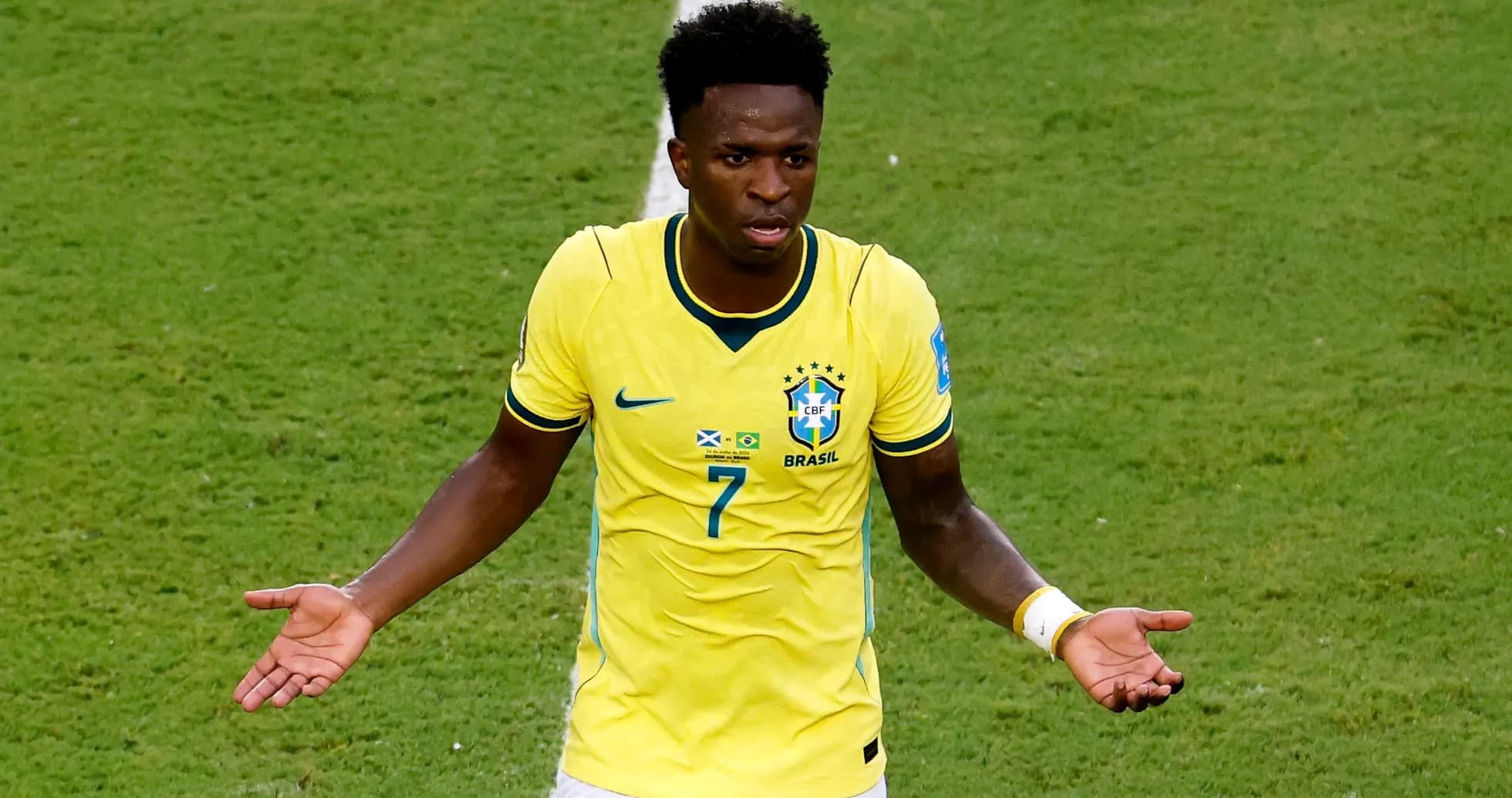
In the 21st minute of Brazil’s final Group C match against Scotland, Vinicius Jr thought he had killed the contest. Already on the scoresheet, the Real Madrid star nicked the ball off Jack Hendry, surged clear and slid a composed finish past Angus Gunn. Cesar Ramos pointed to the centre circle. Brazil wheeled away. It looked routine.
Then came the familiar, suffocating pause.
VAR stepped in. Replays rolled. What had been a statement 2–0 lead turned into a courtroom drama, the Mexican referee summoned to the monitor to reassess the challenge on Hendry. Moments later, the goal was gone, wiped out for a foul in the build-up.
On the Brazil bench, fury. Arms flailed, fourth officials were harangued, and the sense of injustice spread quickly through Carlo Ancelotti’s technical area. The feeling was clear: the contact was light, the threshold for intervention – that elusive “clear and obvious” bar – nowhere near met.
The anger has not stayed on the touchline.
CBF Takes the Fight to FIFA
In the days since, the Brazilian Football Confederation has escalated the row well beyond the stadium walls. CBF president Samir Xaud has written directly to FIFA president Gianni Infantino, formally challenging what Brazil see as erratic and uneven officiating across the tournament.
At the heart of the complaint sits Ramos. The CBF has asked that the Mexican official be removed from any future Brazil assignments in North America, arguing he should never have been appointed to this match in the first place.
In a document reported by Brazilian outlet Estadao, the federation cites what it calls a “negative history” with Ramos, tracing the grievances back to the 2018 World Cup group stage draw with Switzerland. Brazil left that game convinced they had been denied a clear penalty and that a foul in the build-up to the Swiss equaliser had gone unpunished. That sense of unfinished business has now resurfaced with venom.
The letter contends that, given that backdrop, assigning Ramos again was a mistake – and that his decision to rule out Vinicius Jr’s second goal simply confirms the pattern.
Brazil Point to Messi and Double Standards
To sharpen their argument, Brazil have reached for the most powerful comparison available: their greatest rival.
In a striking move, the CBF’s letter highlights a goal scored by Lionel Messi for Argentina against Austria earlier in the tournament. The federation points to the physical duels in the build-up to that strike, arguing that similar levels of contact have been allowed to stand for other nations while Brazil are being held to a different standard.
The implication is blunt. What is acceptable when Messi scores for Argentina, they argue, suddenly becomes unacceptable when Vinicius Jr does the same for Brazil.
The document also notes the reaction – or lack of one – from Scotland’s players in the immediate aftermath of the incident. According to the CBF, their body language suggested they neither expected a VAR review nor the eventual annulment of the goal, underlining how unexpected the intervention felt to everyone on the pitch, not just the Brazilians.
Ancelotti Looks Past the Noise
While the boardroom battle intensifies, Ancelotti has little time for politics. His job is to navigate the knockout rounds, not the corridors of power.
On the pitch, his team did what they needed to do. Vinicius Jr eventually found the net again, restoring the cushion that had been taken away. Matheus Cunha added a third, and Brazil eased clear to seal top spot in Group C, VAR storm or not.
The performance, for Ancelotti, was another step in the right direction.
“Now we are playing as a team, that is the goal. We are not perfect, we have things to improve. We can be a little quicker when we have control,” he told reporters afterwards. “I’m happy because the team has improved a lot, now we are solid. In the knockout stage, solidity is very important. We have a solid team. Compared to the first game, we are making fewer mistakes, we have more rhythm, and we are more effective up front.”
The message is calm, almost stubbornly so, in contrast to the noise around him. Brazil, he insists, are tightening up, cutting out errors, sharpening the attack. The complaints about officiating are loud, but they will not define his preparation.
Next comes Japan in Houston, a round of 32 tie that will test both Brazil’s growing cohesion and their ability to shut out the off-field storm. The CBF has chosen confrontation with FIFA; Ancelotti has chosen continuity.
One question now hangs over Brazil’s campaign: will this sense of grievance weigh them down, or will it harden a team already starting to look like it enjoys playing with a point to prove?