Elliot Anderson Deal Exposes United’s Transfer Reality
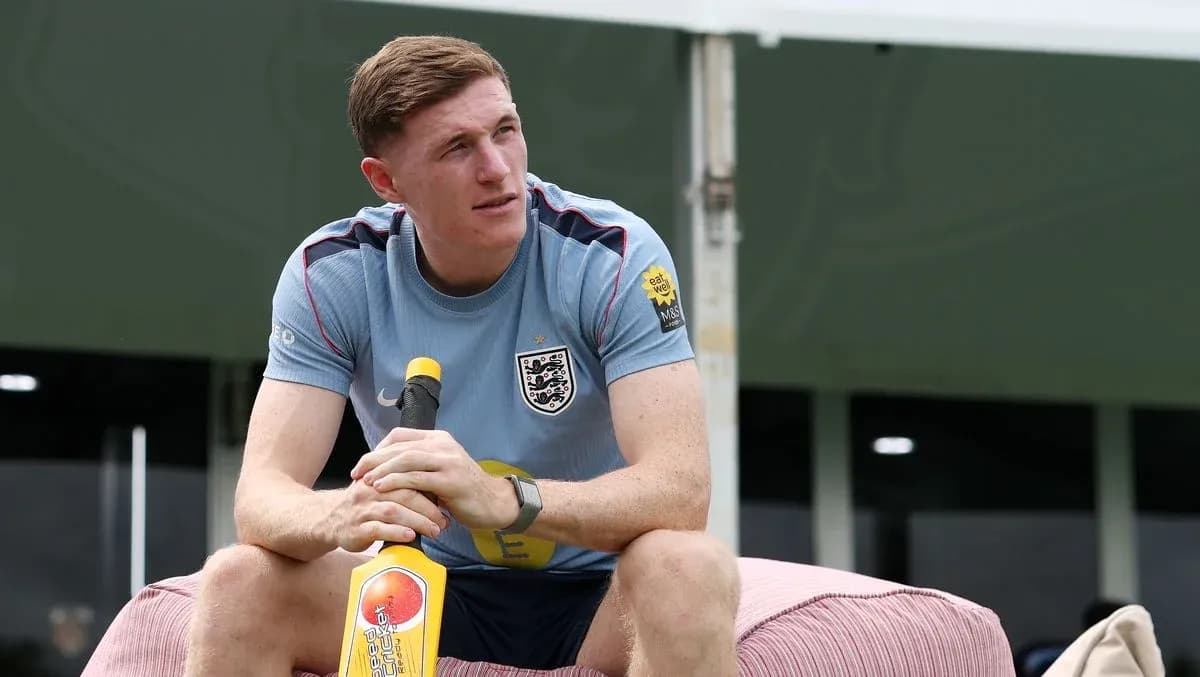
Elliot Anderson has been swinging a cricket bat in Kansas City, smiling his way through England duty. On the other side of the Atlantic, his future has been anything but light-hearted.
That, at least, is now over. Manchester City have struck their blow.
The champions have agreed a deal with Nottingham Forest to sign the midfielder in this summer’s window, landing one of the most coveted young players in the Premier League. City sources put the fee at £116million. Figures close to Forest insist the package is worth £130m. Either way, the numbers are staggering.
It is a deal that has redrawn the market – and pushed Manchester United to the sidelines.
United walk away from a record fee
United were in the race. For a time, they were serious contenders to bring Anderson in as a long-term successor to Casemiro. His profile made sense, his ceiling obvious. But the price kept climbing.
When City’s opening, eye-watering bid was turned down, United stepped back. Not because they did not rate the player, but because they refused to chase a fee that would make Anderson the most expensive British footballer in history.
The stance fits with the message that has been coming out of Old Trafford in recent months. United CEO Omar Berrada has been clear about the limits.
“We have to be really disciplined, it’s simple. We have a plan, we know what we can invest, and we have to stick to that,” he said on the club’s in-house podcast. “In some cases, we may decide to make an investment knowing it’s the right thing for not just the next two or three years, but the next 10 years. But clearly, we need to stay very focused on what we’re trying to achieve. It’s very important that you don’t let the market or the agents dictate.”
The Anderson saga has become the first major test of that doctrine. United passed on a player who would have significantly improved their midfield, because the numbers broke their internal model. In the current climate, that is as much a statement as any signing.
Fernandes, Tottenham and a new battle line
Turning away from Anderson was not just about cost. United believed they had found an attainable alternative: Mateus Fernandes.
The data backed that view. Across last season, Fernandes won more tackles and completed more accurate switches of play than Anderson. He trailed only narrowly on ground duels won, total possessions regained, and possessions won in the defensive third. On the numbers, he looked like a smart, value-conscious pivot for a rebuild.
Relegation with West Ham opened a window. United sensed they could strike a fair deal for a 21-year-old with room to grow and metrics to match. Then Tottenham arrived.
Spurs’ interest has been greeted with delight in the West Ham boardroom. A bidding war is the best possible outcome for a selling club, and Tottenham’s willingness to engage puts United under pressure.
West Ham want £85m. That is already more than United hoped to pay. Yet if Spurs are prepared to go that high, United face a brutal choice: stick to their financial guns and risk losing another top target, or stretch the model for a player carrying back-to-back relegations on his CV.
An £85m fee used to buy you a superstar in his prime, not a prospect still finding his level. Fernandes is talented, and his ceiling is clearly higher than his recent league finishes suggest, but the price underlines how warped the market has become.
Discipline or drift?
Time is ticking. The new financial year for clubs is a week away, and the real manoeuvring is about to start. By this time next week, Fernandes’ future is likely to be far clearer.
This is where Berrada’s words stop being theory and become practice. United exited the Anderson race early, refusing to be dragged into a numbers game they felt they could not win. With Fernandes, they might not get that luxury.
They have a list of midfield alternatives, carefully compiled by the data department. Each name down the list represents, in theory, a drop in quality. Every step away from Fernandes nudges United closer to compromise territory, where the player might be cheaper, but the upside is smaller.
At some point, they know they have to pay. The club are prepared to invest in a marquee midfield signing and have been at pains to reassure supporters that the ambition remains intact. The caveat is always the same: the deal must represent fair value.
If Tottenham meet West Ham’s valuation, United’s response will reveal how rigid that principle really is. Do they walk away again, or bend to the new reality of a market where £85m is the going rate for potential?
Looking beyond England
There is another route: look elsewhere.
Germany international Felix Nmecha is on United’s radar. Borussia Dortmund have rarely been shy about selling key players at the right price, and the Bundesliga has long been viewed as a hunting ground for clubs seeking better value than the Premier League can offer.
That kind of move would fit the new rhetoric at Old Trafford: smart, targeted, data-led. It would also underline a shift away from fighting domestic rivals in the most inflated part of the market.
In an ideal world, United would have had a clean run at Anderson and landed him for a figure that did not break records or their own budget. But the transfer market rarely offers ideal worlds. It offers stand-offs, brinkmanship and, every so often, a deal that forces a club to reveal what it truly believes.
City have made their play and paid their price. United’s next move, whether on Fernandes, Nmecha or someone further down that list, will show whether discipline is their new identity – or just a slogan waiting to be tested.