Why Brazilian Footballers Keep Joining Shakhtar Donetsk Despite Ukraine's War
Shakhtar Donetsk's Brazilian Connection Persists Amid Conflict
Despite the ongoing war between Ukraine and Russia, Shakhtar Donetsk continues to attract young Brazilian football talents eager to kickstart their European careers. This persistence raises questions about how the club maintains its famed transfer strategy under such challenging conditions.
Long-Standing Conflict and Displacement
Many assume the Ukraine war began with Russia's full invasion in February 2022, but for Shakhtar Donetsk, conflict has affected them for over a decade. Since 2014, when violence erupted in the Donbas region and Russia annexed Crimea, the club has been displaced from its home city of Donetsk.
The Donbas Arena, once their state-of-the-art stadium, was damaged by shelling, and the team has since played home games far from Donetsk—mostly in Kyiv and Lviv, nearly 600 miles away. Their European matches have taken place in Poland and Germany, reflecting the immense logistical challenges they face.
Brazilian Talent: The Club’s Identity
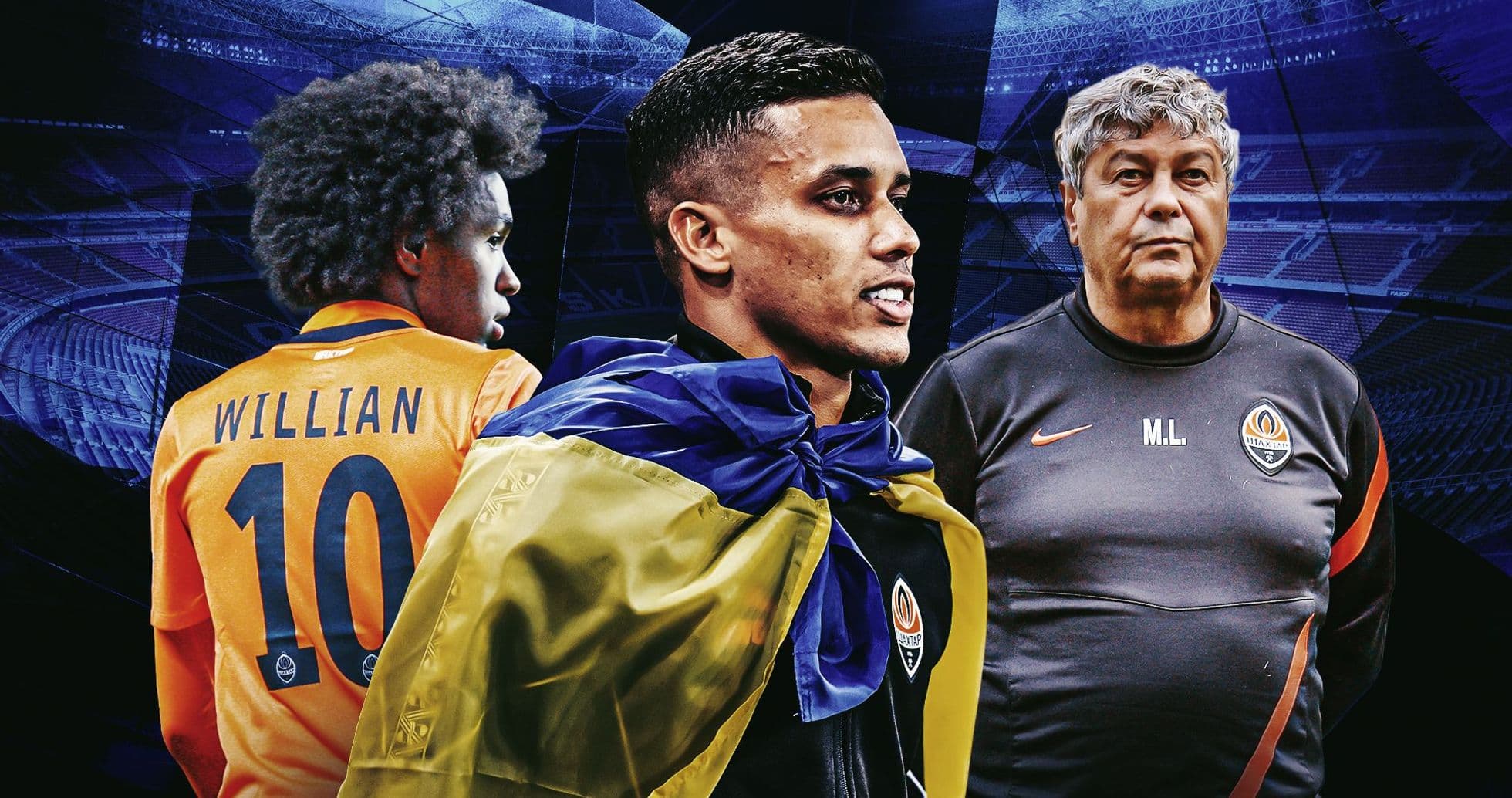
Shakhtar is widely known for developing Brazilian players, a strategy initiated over 20 years ago by club owner Rinat Akhmetov and manager Mircea Lucescu. Their goal was to bring flair and excitement to Ukrainian football, signing young Brazilians like Elano and Jadson for modest fees and turning them into stars.
- Fernandinho: Sold to Manchester City for €40 million
- Willian: Transferred to Chelsea for €35 million
- Luiz Adriano: The club’s top scorer with 128 goals
- Taison: Record appearance maker with 299 matches
The club recently celebrated signing its 50th Brazilian player, Flamengo’s Ryan Roberto, who moved for €9 million. Another notable recent signing is Bruninho from Athletico Paranaense for €11 million. This record number of Brazilians shows how the club remains a unique enclave for South American talent despite the war.
Why Brazilians Choose Shakhtar
Players like Ryan Roberto cite the large Brazilian presence at the club as a major factor in their decision to join. They find a supportive community that eases adaptation to a very different environment, both culturally and climatically.
"It’s a club that knows how to receive Brazilians," Roberto explained. "They know how to deal with us."
Former player Pedrinho echoed this sentiment, saying the Brazilian network at Shakhtar made settling in easier, especially given the challenges of adapting to European football and life during wartime.
The Reality of Life at a War-Affected Club
Living in Lviv, far from the front lines, still means facing air-raid sirens and taking shelter during alerts. Pedrinho described how his family had to hide in a parking garage during a night alarm. The mental strain is real, particularly for younger players adjusting to these conditions.
"The biggest challenge is staying mentally strong," Pedrinho said. "We try to support the younger players and hope this will end soon."
Shakhtar’s CEO Sergei Palkin admitted that comfort isn’t part of the offer but emphasized the club sells career development opportunities. Players understand joining Shakhtar is a fast track to Europe’s top leagues, which makes it worth enduring the hardships.
Adapting the Business Model During Conflict
War forced Shakhtar to rethink how they develop players. Previously, young Brazilians had two years to adapt, but now they must perform immediately. The club also increased scouting efforts in Brazil and uses detailed analysis to pick prospects carefully.
This approach has paid off financially, with lucrative sales like Mykhailo Mudryk’s £89 million move to Chelsea and Kevin’s €40 million transfer to Fulham. The club has even shortened player development timelines due to the unstable environment.
Facing New Market Challenges
Competition for Brazilian talent has intensified as many European clubs now scout South America directly. Chelsea and Manchester City, among others, have pushed prices higher and complicated Shakhtar's recruitment efforts.
Palkin admitted losing some targets, such as Gabriel Mec, who chose Porto over Shakhtar due to safety concerns. To counter this, the club focuses on signing younger players like Bruninho, betting on their long-term potential before bigger clubs take notice.
Champions League Qualification: A Key Incentive
Playing in the Champions League remains vital for attracting talent and generating revenue. Although the Ukrainian league's UEFA ranking dropped due to the war, Shakhtar secured direct entry to the 2026-27 group stage by topping their domestic league.
CEO Palkin highlighted that Brazilian prospects dream of the Champions League, making it a major draw. The club views European competition success as central to maintaining their business model.
New Home Grounds and Commercial Moves
With ongoing displacement, Shakhtar will play their Champions League home matches at Chelsea's Stamford Bridge in London for the 2026-27 season. This move taps into London's large Ukrainian and Brazilian communities, enhancing fan engagement and commercial opportunities.
The partnership with Chelsea also symbolizes solidarity, as the club seeks new markets to sustain operations amid turmoil back home.
Looking Ahead
Despite immense challenges, Shakhtar Donetsk continues to thrive by adapting creatively. Their Brazilian connection remains at the heart of the club’s identity and strategy, offering players a unique path to Europe’s elite leagues.
As Pedrinho put it, football brings joy amidst hardship. The club’s evolving approach aims to secure a future where young talents can grow, even in exile.