Brighton Women’s Football: From Project to Genuine Threat with Fran Kirby
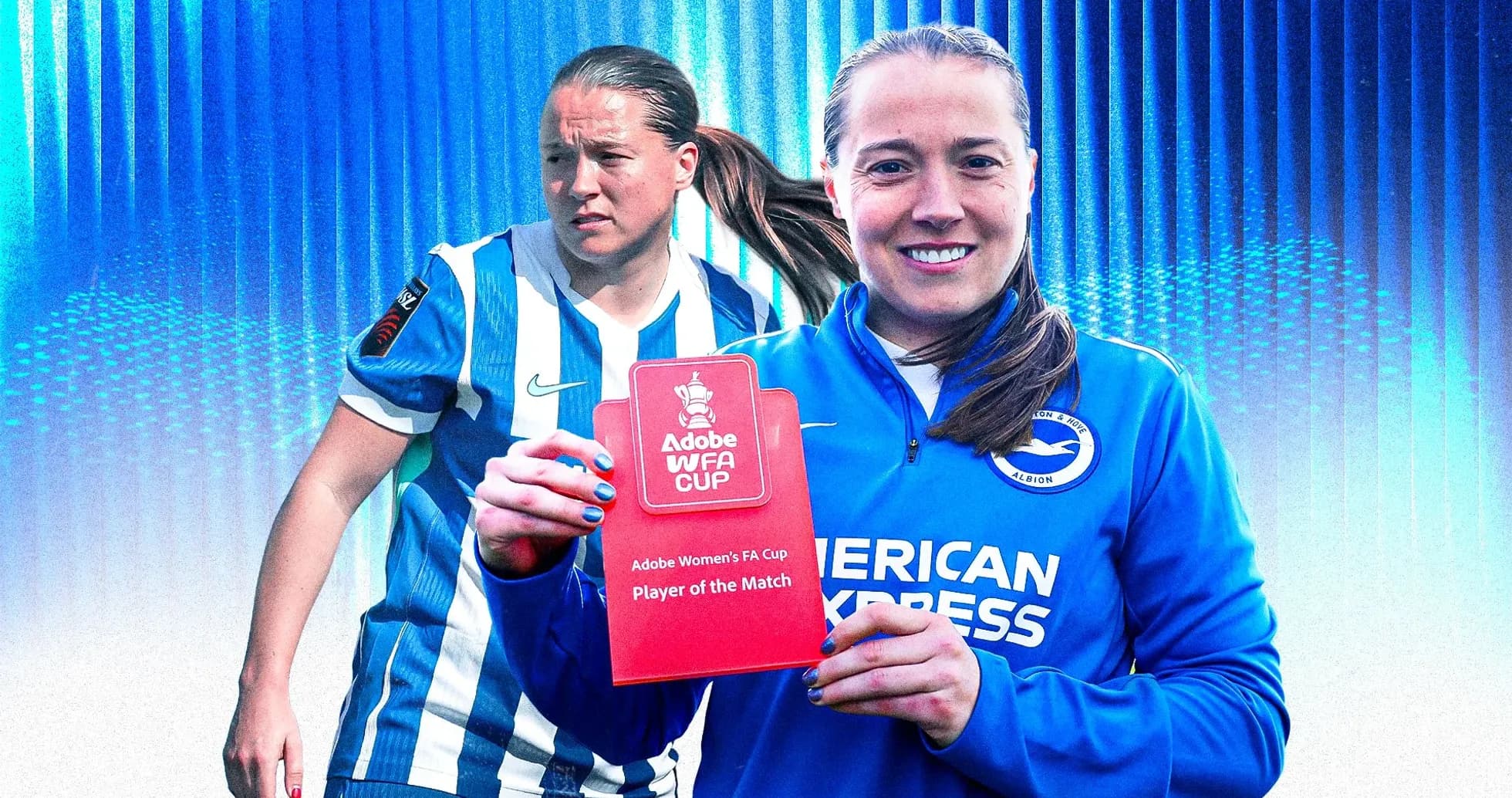
Brighton have been circling the elite of the women’s game for a while now, an awkward opponent with big ideas and bigger plans. What once looked like a long-term project is starting to feel like something far more tangible – and at the heart of it all stands Fran Kirby, playing the role she knows best: catalyst.
From “project” to genuine threat
This didn’t start with Kirby, of course. The foundations were laid years ago. In 2017, Brighton turned to Hope Powell, the former Lionesses manager, to steer a newly promoted second-tier side towards something more ambitious. Within a year, they were in the WSL. Soon, they had a reputation: safely clear of relegation, capable of bloodying the noses of the so-called Big Four, the sort of team the giants hated facing.
The off-field growth has been just as sharp. In 2021, the club opened an £8.5 million, state-of-the-art training facility dedicated to the women’s team. Last week, plans dropped for Europe’s first purpose-built women’s football stadium, a £75-80m statement that Brighton are not just dabbling in the women’s game – they’re building around it.
That kind of ambition speaks loudly in a transfer market where players want more than a wage and a pitch. Two years ago, it spoke directly to Kirby.
Fresh from ending a nine-year spell at Chelsea, where she had ridden the full arc from “project” to serial winner, Kirby looked at the south coast and saw something familiar. She talked about joining Chelsea when it was still a dream, about wanting to guide young players, drag standards up, chase trophies again. Brighton’s owner was all-in on the women’s side, the squad was being upgraded, the vision was clear. For her, it was “a no-brainer”.
She didn’t come to make up the numbers. She came to help push a club “further up the table” and into “trophy shouts”. Less than two years on, with another top-half WSL finish in sight and Wembley only one win away, those words feel less like optimism and more like foresight.
Vidosic’s blueprint, Kirby’s imprint
A week after unveiling Kirby, Brighton made another decisive move. They appointed Dario Vidosic as head coach. The former Australia international didn’t just tweak what was there; he rewired it.
Brighton had been competitive before, but their football could drift, the identity blurring from week to week. Under Vidosic, they’ve become something far sharper: an attacking, fluid side that wants the ball and knows what to do with it. The style is clear. The intent is obvious.
Kirby sits at the centre of that plan. Vidosic’s admiration is hardly subtle. He has spoken about her leadership, her experience, the calm she brings to younger players, and the way the team changes when she’s not on the pitch. It’s not lip service. Watch Brighton without her and the difference is visible.
Yet the conversation around Kirby can sometimes lean too heavily on the intangibles. Leadership. Experience. Standards. All true. All important. But the 32-year-old is not here as a ceremonial figurehead.
She’s still a match-winner.
Her form this season has underlined that point. Juventus reportedly tried to prise her away in January, a nod from one of Europe’s heavyweights that her level remains elite. Brighton held firm. They’ve been rewarded ever since.
Delivering on the biggest stages
Look at the moments that have defined Brighton’s year and Kirby’s fingerprints are everywhere.
In the FA Cup quarter-final, Brighton stunned Arsenal 2-0. Kirby created both goals, pulling strings with the ease of someone who has spent a career doing exactly that on the biggest occasions.
Against Manchester City, the runaway WSL leaders, she did it again. Brighton won 3-2 in a breathless contest; Kirby set up two of the three. Earlier in the season, she’d already scored against both Manchester clubs. When the stakes rise, so does she.
It’s become a pattern. Big game, big opponent, big stage – and Kirby steps into the spotlight. Brighton will expect nothing different this weekend.
Of course, this is not a one-woman show. She was the marquee signing last summer, but the supporting cast has been assembled with real thought. Recruitment has been sharp, tailored to Vidosic’s philosophy. Jelena Cankovic and Kiko Seike have flourished in the attacking structure. Nigeria international Chiamaka Nnadozie, a top-tier goalkeeper by any measure, chose this project too. Players of that calibre don’t arrive by accident.
Still, when Brighton chase history, eyes are drawn to the former Lioness.
Standards, culture and a looming Wembley
Kirby knew her responsibilities went beyond assists and goals the moment she arrived. She was brought in to raise the bar – in training, in games, in the dressing room.
“Sometimes the girls maybe think I’m being a bit harsh on them,” she admitted recently, “but it’s because I know what they can do. I know what they’re capable of. I want to help them feel that confidence and be able to go on and achieve some amazing things.”
The recent run suggests those messages are landing.
In their last four games, Brighton have beaten Arsenal and Manchester City, come within seconds of three points at Manchester United, and, even with heavy rotation, taken another point off Arsenal in midweek. This isn’t a fluke streak. It looks like a team finally playing to the level its structure and investment have been hinting at.
“We have had some really good performances the whole season, but maybe haven’t been getting the results we deserve,” Kirby told the Argus after the City win. “It is all coming together in terms of the style we want to play, the way we play and the culture in the group.”
That word again: culture. It’s visible now – in the way Brighton press, combine, and refuse to back down against the division’s superpowers. It’s taken time, money and conviction from the club. It’s taken clarity from Vidosic. It’s taken buy-in from players like Kirby, who know exactly what a winning environment feels like.
Now comes the real test of all that work.
One more win and Brighton will walk out at Wembley for an FA Cup final. For Kirby, there’s the tantalising prospect of facing Chelsea, the club where she built her legacy. For her teammates, many of whom grew up watching those showpiece occasions on television, it would be the kind of day that imprints itself on a career.
Kirby has tried to put that into words for them: the morning of the final, the build-up, the walk out under the arch, the sense that, for 90 minutes, you stand at the very centre of the English game. “One of the best days of your life,” she calls it. She would know.
Brighton are now one step away from living that experience. A club that once hovered as a dangerous underdog is edging towards something more permanent, more serious. The investment, the training ground, the planned stadium, the head coach with a clear idea, the recruitment that actually fits – it all converges here, in a semi-final that could redraw the club’s place in the women’s game.
In many ways, Kirby embodies the entire project: ambitious, demanding, unafraid of the biggest stage. If Brighton are to reach their first FA Cup final, it’s hard to imagine the story being written without her right at the centre of it.