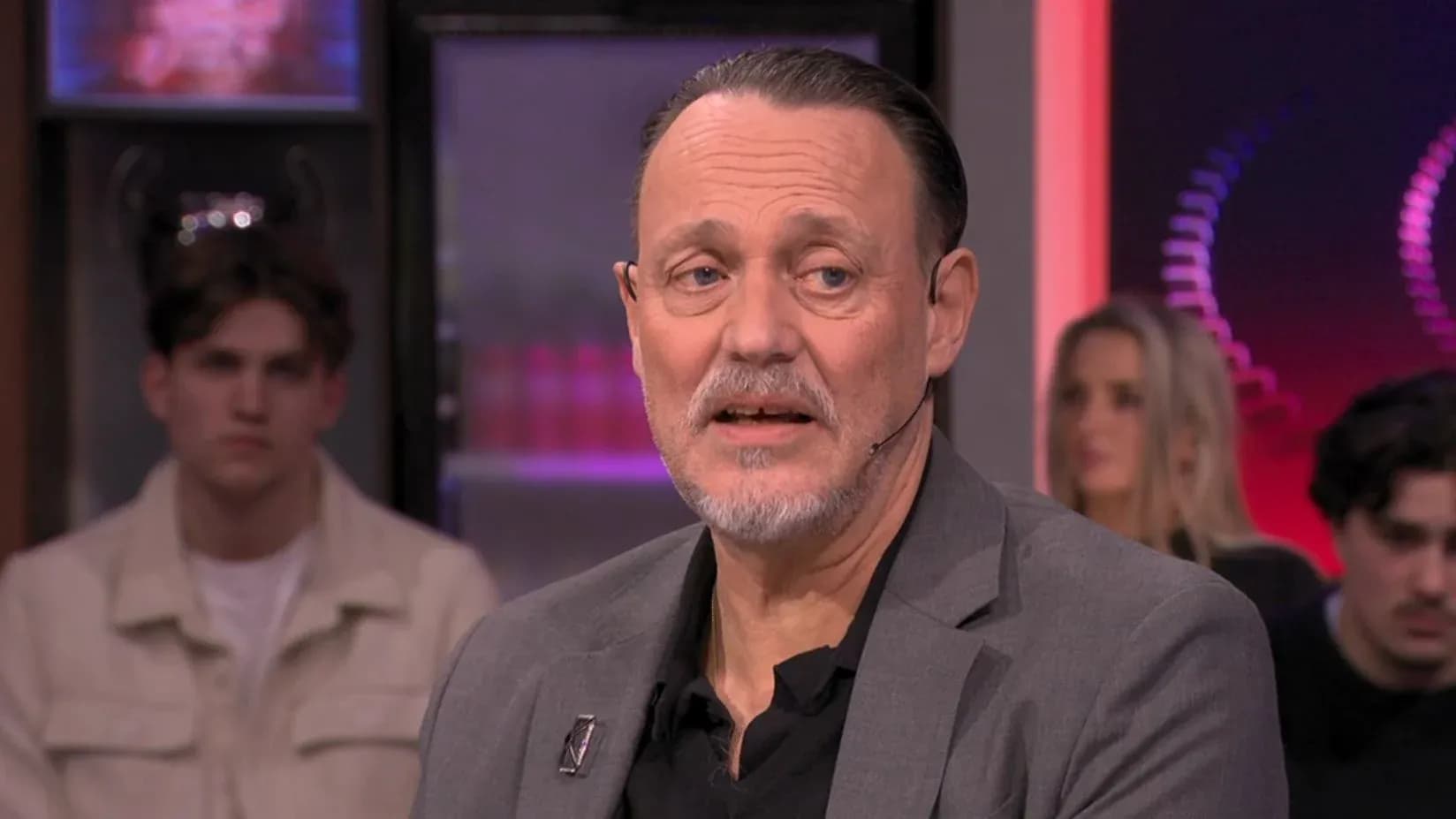
Bryan Linssen Deserves a Call-Up to Oranje
Ronald Koeman’s in-tray is rarely empty, but Hugo Borst has just dropped something on top that he doesn’t want the national coach to ignore: a 35-year-old forward from Nijmegen who refuses to age like the rest.
Bryan Linssen, the veteran spearhead of NEC’s surprise surge to third place in the VriendenLoterij Eredivisie, has become the unlikely name on everyone’s lips. Borst, writing in his column for Algemeen Dagblad, has turned that murmur into a clear demand: call him up.
At an age when most attackers are winding down, Linssen is accelerating. Borst describes a player who seems to be improving with every week, a late-career bloom that doesn’t fit the usual Dutch template of polished academy gems and early exports to Europe’s elite.
Linssen has never lived in that world. No Champions League pedigree, no big-five league status symbol. For many selectors, that’s usually the end of the conversation. Borst insists it should be the beginning.
He points to the numbers. Linssen scores often enough to matter, but his game is not just about the final touch. He offers depth, those relentless runs in behind that stretch defences and create space for others. Borst calls that kind of movement “rare in the Oranje,” a pointed remark in a country that prides itself on attacking fluency.
Then there’s the work rate. Linssen doesn’t glide; he hunts. Borst paints a picture of a forward who is always fit, always chasing, always harassing defenders, the sort of striker goalkeepers hate to see charging at them in the 90th minute as if it were the first. No glamour, just graft. A body without an ounce of excess, built for repetition and duels.
That profile leads Borst to a direct comparison with Wout Weghorst, the current symbol of Dutch centre-forward grit. And he doesn’t hedge. In his eyes, Linssen is the better striker “in every respect.”
Weghorst, long seen as the hard-running, old-fashioned target man, suddenly finds himself cast as the understudy. Borst highlights not just footballing qualities but personality. Linssen, he writes, is amiable, cheerful, sociable – “pretty much everything Weghorst lacks.” It’s a sharp line, but it underlines a broader point: dressing rooms are ecosystems, and Borst believes Linssen would lift one.
On the pitch, Borst singles out one specific weapon: the header. Linssen, he argues, climbs higher and attacks the ball better than Weghorst, who he still rates as “not half bad.” That’s not a dismissal of the current international, but a challenge to the assumption that he is the only mould of physical striker available to Koeman.
The subtext is clear. If Koeman wants a hard-working, penalty-box threat who presses from the front and offers genuine aerial danger, he doesn’t have to look abroad or into the future. He can look at NEC, where a 35-year-old is driving a surprise top-three campaign and refusing to fade quietly into the background of Dutch football.
Borst ends his plea without fanfare, just a nudge with a smile attached. If the national team is to be a reflection of form and character as much as reputation, then, as he puts it, Koeman should simply do one thing: give Bryan Linssen a serious thought.