Cremonese vs Lazio: Tactical Contrast in Serie A Showdown
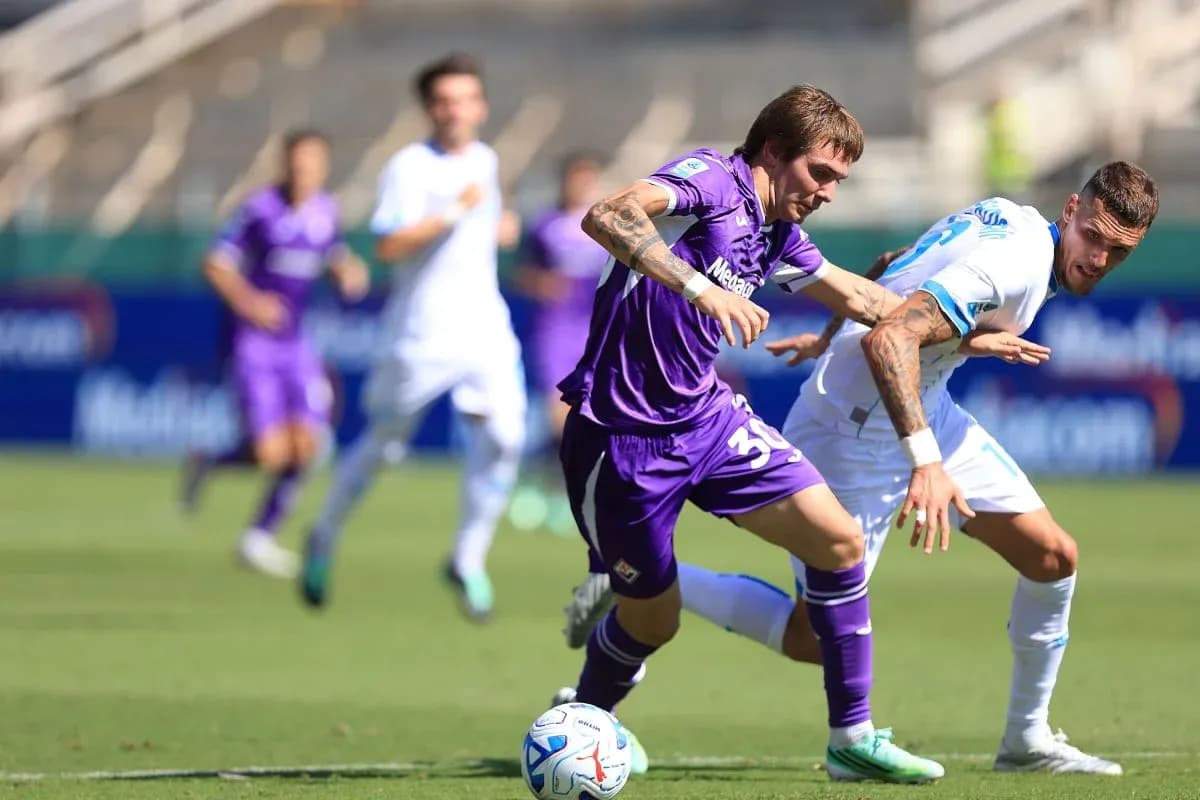
Cremonese’s 4-4-2 and Lazio’s 4-3-3 produced a match of clear structural contrast at Stadio Giovanni Zini, ending 1–2 in favour of the visitors despite the hosts leading 1–0 at half-time. In a Serie A Round 35 fixture refereed by Daniele Chiffi, Cremonese built their advantage on compactness and direct attacks, while Lazio gradually imposed territorial control and possession, turning 42%–58% possession and a 0.96–0.51 xG edge into a late comeback. The game’s tactical story is one of Cremonese’s initially well-drilled low block being stretched and then broken by Sarri’s aggressive second-half adjustments and fresh attacking profiles.
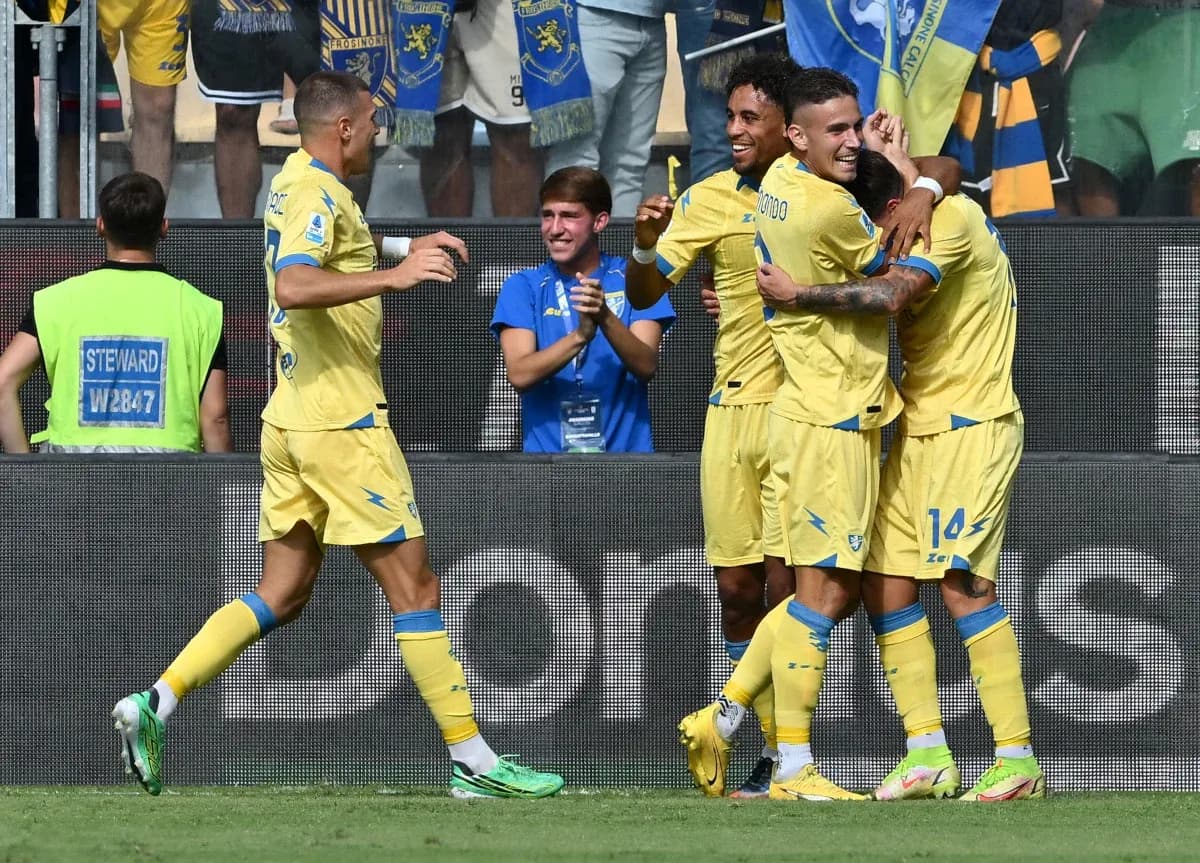
The scoring opened on 29', when Cremonese’s right side produced a rare but incisive pattern. From their 4-4-2, R. Floriani advanced from the right midfield lane and delivered for F. Bonazzoli, who converted for 1–0. That goal encapsulated Cremonese’s first-half approach: defend deep, then spring quickly into the channels, especially through Floriani and A. Zerbin.
Discipline was relatively controlled but tactically relevant. The first card arrived on 40', as Lazio centre-back Oliver Provstgaard was booked for a foul, underlining Cremonese’s threat in transition and Lazio’s need to defend large spaces. In the second half, Tommaso Barbieri, who had come on at right-back, was cautioned on 76' for a foul, a sign of increasing strain on Cremonese’s flanks as Lazio pushed higher. On 88', Nuno Tavares received Lazio’s second yellow card for a foul, reflecting the visitors’ aggressive counter-press to prevent late Cremonese breaks.
Lazio’s equaliser came on 53', a direct product of half-time tactical surgery. G. Isaksen scored, assisted by T. Noslin, to make it 1–1. The winner arrived at 90', Noslin finishing from a B. Dia assist for 1–2, completing a comeback driven by bench impact and sustained territorial pressure.
Starting Lineups
Marco Giampaolo’s Cremonese started in a clear 4-4-2: E. Audero in goal behind a back four of G. Pezzella, S. Luperto, F. Baschirotto and F. Terracciano. The midfield band of A. Zerbin, Y. Maleh, A. Grassi and R. Floriani sat relatively narrow, screening the centre and inviting Lazio wide. Up front, F. Bonazzoli and A. Sanabria looked to pin Lazio’s centre-backs and attack early balls into the channels.
The first key adjustment came as early as 21', when M. Bianchetti (IN) came on for F. Baschirotto (OUT). This early defensive change suggested either a physical issue or a need for more composure in the first line of build-up. It did not alter the basic structure, but Bianchetti’s presence aimed to stabilise the central corridor against Lazio’s front three.
Cremonese’s goal at 29' was tactically emblematic: Floriani, nominally a right midfielder, exploited the half-space with an advanced run, while Bonazzoli dropped into the seam between centre-back and full-back. With Lazio’s midfield line stretched, the home side found a rare clean connection into the box. That chance contributed heavily to their modest 0.51 xG from 13 total shots (5 on target), illustrating that while they created volume, the overall shot quality remained limited.
Giampaolo’s triple change on 61' marked a shift from containment to a more energetic, pressing-oriented plan. M. Payero (IN) came on for A. Zerbin (OUT), J. Vardy (IN) replaced A. Sanabria (OUT), and W. Bondo (IN) came on for A. Grassi (OUT). Payero added more vertical passing from midfield, Bondo injected legs and ball-winning in the centre, and Vardy’s introduction signalled a desire to attack depth more aggressively behind Lazio’s high line. Shortly after, at 68', T. Barbieri (IN) replaced R. Floriani (OUT), moving fresh energy and defensive solidity to the right flank, but at the cost of some of the creative thrust that had produced the opener.
Despite these changes, Cremonese’s attacking output stalled. They finished with 447 passes at 84% accuracy, indicative of phases of controlled possession but largely in deeper zones. Their 16 fouls and Barbieri’s yellow reflected a team increasingly defending on the back foot. Defensively, Audero registered only 1 save, a stark indicator that Lazio’s three shots on target were highly efficient and that some of the visitors’ best chances either resulted directly in goals or missed the target.
Lazio's Formation and Adjustments
Maurizio Sarri’s Lazio began in a 4-3-3: E. Motta in goal, a back four of N. Tavares, O. Provstgaard, A. Romagnoli and A. Marusic, with a midfield trio of K. Taylor, Patric and T. Basic supporting a front three of M. Zaccagni, D. Maldini and G. Isaksen. In the first half, this structure produced control but limited penetration: only 8 total shots all game (3 on target) underline a more selective, possession-based approach.
The decisive tactical turning point came at half-time. On 46', N. Rovella (IN) replaced Patric (OUT), and T. Noslin (IN) came on for D. Maldini (OUT). Rovella’s introduction gave Lazio a more natural deep-lying playmaker, improving tempo and vertical progression. Noslin, operating across the front line, added direct running and combination play around the box. This pair immediately tilted the game: on 53', Noslin assisted Isaksen for the equaliser, a move born from sharper central connections and better occupation of the half-spaces.
On 60', Pedro (IN) replaced M. Zaccagni (OUT), further increasing Lazio’s experience and decision-making in the final third. At 71', F. Dele-Bashiru (IN) came on for K. Taylor (OUT), adding physicality and ball-carrying from midfield. Finally, on 81', B. Dia (IN) replaced G. Isaksen (OUT), providing a more penalty-box oriented reference. The 90' winner, Noslin from a Dia assist, showcased the synergy of these substitutions: Dia attacking the space between centre-back and full-back, Noslin timing his run to exploit a stretched Cremonese back line.
Lazio’s possession profile – 629 passes at 90% accuracy and 58% of the ball – reflects a clear territorial dominance, especially after the break. Their 13 fouls and two yellow cards for Provstgaard and Tavares underline an aggressive counter-press, crucial in pinning Cremonese in their own half and preventing transitions once Vardy entered. Motta’s 4 saves, compared to Audero’s 1, show that while Cremonese took more shots, Lazio’s goalkeeper was called upon more often to manage the hosts’ sporadic but dangerous moments.
From an Overall Form perspective, Lazio’s capacity to overturn a deficit away from home, driven by bench impact and structural tweaks, suggests a side trending positively in late-season resilience. Cremonese’s Overall Form appears more fragile: a strong first half and disciplined low block could not be sustained once the match state demanded more progressive possession and defensive width.
Defensively, the index tilts towards Lazio despite conceding first. Their back line, anchored by Romagnoli and Provstgaard, allowed only 5 shots on target from 13 attempts and, supported by Motta’s 4 saves, limited the quality of chances to 0.51 xG. Cremonese, by contrast, conceded 0.96 xG on just 8 shots, indicating that the chances they allowed were more dangerous. The negative goals-prevented figure for both keepers (each at -0.75) suggests that finishing quality slightly outstripped goalkeeping performance on the day, but Lazio’s superior structure and in-game adaptation ultimately justified their 2–1 victory in Cremona.