Earl Hilton Steps Down After 15 Years of Transformative Leadership at NC A&T
EAST GREENSBORO, N.C. — A defining era for North Carolina A&T athletics is coming to an end.
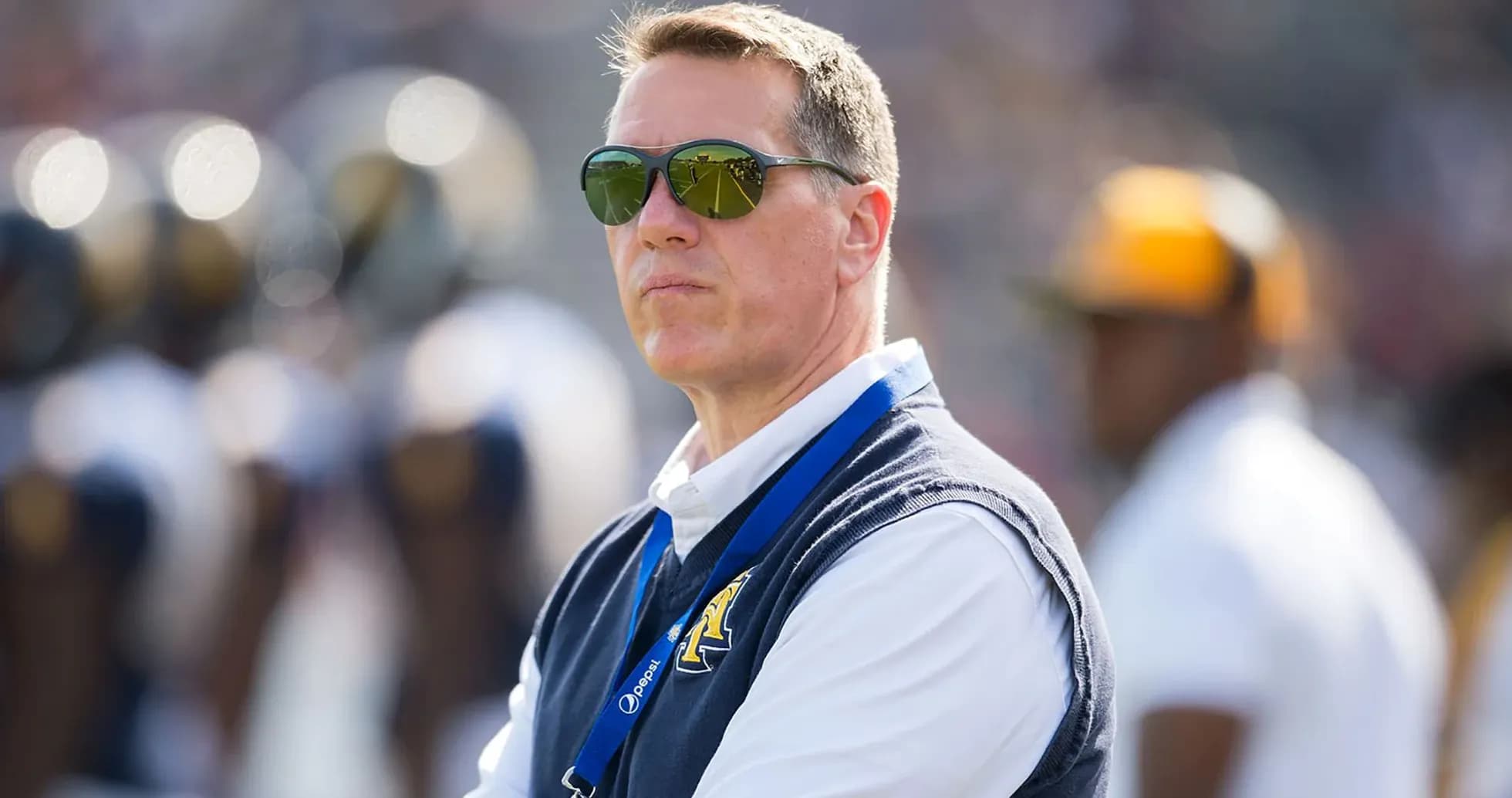
Earl M. Hilton III, the longtime architect of Aggies sports and one of the most respected athletic directors in Black college athletics, will step down this summer at the conclusion of his contract, the university announced Tuesday. A national search for his successor begins immediately, with Hilton staying in place until the next athletics director is hired and seated.
This is not just a change of name on an office door. It closes a 15-year chapter that reshaped what North Carolina A&T could be in Division I sports.
From “academic and organizational chaos” to a standard-bearer
When Hilton took over on an interim basis in late 2010 and then permanently in February 2011, he inherited a department one media outlet bluntly described as mired in “academic and organizational chaos.”
He answered with a mantra: “excellence without apology.”
Working alongside university leadership, Hilton tightened the structure, raised expectations and went to work on the fundamentals that don’t make headlines but win futures — academics, compliance, staffing, fundraising. He recruited high-caliber coaches, targeted gifted student-athletes and built a professional administrative team around them.
The results were stark. A&T student-athlete graduation rates climbed by more than 51%. Annual giving to athletics surged more than 15-fold. Across his tenure, Aggie programs collected more than 70 individual, team, conference, national and Olympic championships.
Chancellor James R. Martin II framed Hilton’s impact in the classroom as central to his legacy.
“North Carolina A&T is tremendously grateful for the outstanding leadership Earl has provided for our student athletes over the past 15 years,” Martin said. “He created an environment in which more than 300 student athletes each year never lose sight of the fact that they are students first and that success in the classroom comes before competition on the playing field. We have especially appreciated his steady hand in a time of unprecedented change throughout the NCAA.”
Four national titles and a global stage
On the field, the Aggies did far more than just steady themselves.
From 2015 to 2019, North Carolina A&T football turned the Celebration Bowl into a familiar stage, winning four times and securing four Black college football national championships in the process. Those victories cemented the program as a powerhouse among historically Black colleges and universities and gave the school a recurring December spotlight.
Track and field then pushed A&T onto the global map. At the Tokyo Olympics in 2021, Aggie athletes brought home three medals, two of them gold, a staggering return for a single program from an HBCU. One year later, the men’s track and field team finished second at the 2022 NCAA Indoor Championships, behind only Texas — the highest indoor finish ever for any Division I HBCU.
Those achievements didn’t go unnoticed nationally. In 2019, Hilton was named an Under Armour Athletics Director of the Year for NCAA Football Championship Subdivision institutions, a nod to both competitive success and the broader health of the department.
Navigating college sports’ age of upheaval
Hilton’s tenure unfolded during one of the most turbulent periods in modern college athletics. The NCAA transfer portal exploded, Name, Image and Likeness deals rewrote the financial landscape, and direct payments to student-athletes began to reshape how schools operate.
All the while, A&T was climbing through the conference ranks.
In 2020, Hilton guided the Aggies from the Mid-Eastern Athletic Conference to the Big South Conference. Two years later, he led another strategic leap, this time into the Coastal Athletic Association. Those moves were not cosmetic. They aligned A&T with other doctoral research universities that share its aspirations and expanded the platform for Aggie teams and athletes.
The transitions demanded careful navigation — balancing tradition with ambition, regional rivalries with national reach. For A&T, the payoff came in broader exposure and a clearer signal of where the university intends to sit in the Division I hierarchy.
A leader steps aside, but not away
Hilton’s path to the AD chair had not been a straight line through athletics. Before taking over the department, he spent eight years in student affairs, a background that shaped his approach to the job and reinforced his emphasis on academic performance and personal development.
Reflecting on his tenure, Hilton pointed back to the people who filled the jerseys and the offices.
“It has been my singular privilege to have worked with so many wonderful and talented student athletes and the dedicated coaches and staff who support them. I have been blessed to be part of a remarkable community of boosters and fans who have sustained us with unflinching resolve,” he said. “I am honored to have witnessed historic academic and athletic achievement and look forward to our continued success under the leadership of Chancellor Martin and the next athletics administration.”
The next athletics director will inherit a very different department from the one Hilton found — one with national hardware, Olympic pedigree, rising academic metrics and a place in a more prominent conference.
The bar has been set. The question now is who will be trusted to clear it next.