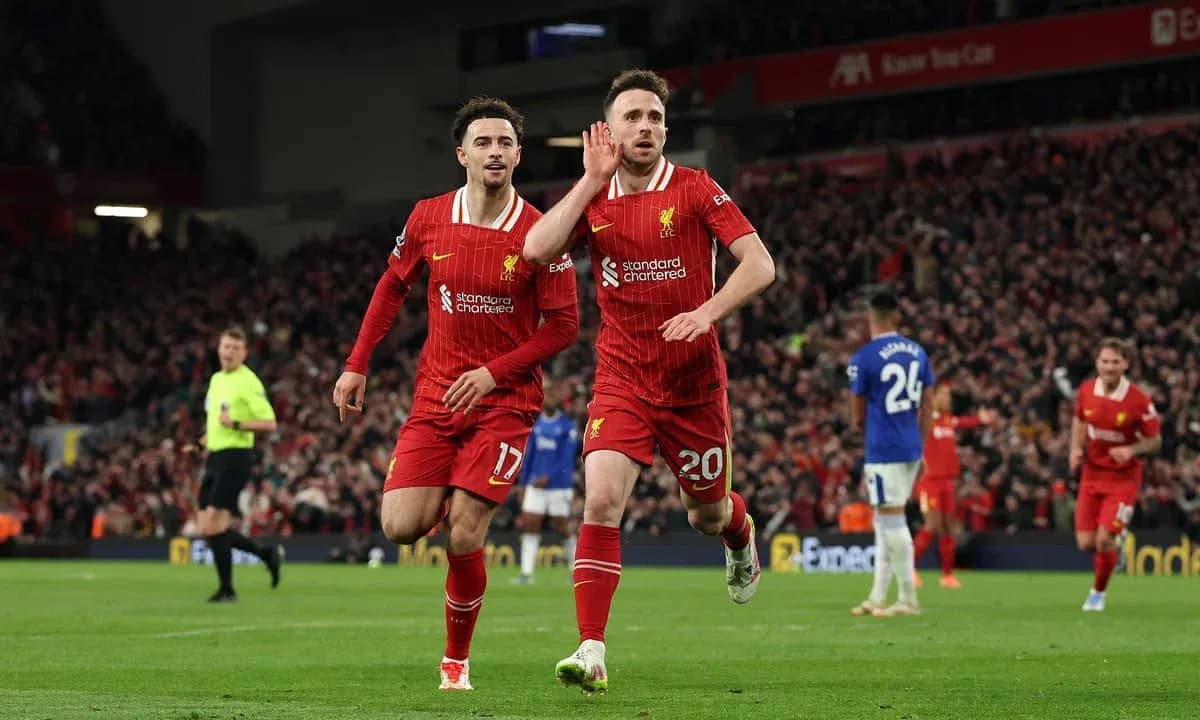
Merseyside Derby Preview: Everton vs Liverpool in April 2026
Hill Dickinson Stadium in Liverpool hosts a high‑stakes Merseyside derby in April 2026, as Everton welcome Liverpool in a Premier League clash with European implications. With the season in its final stretch (Round 33), Liverpool arrive in 5th place on 52 points, chasing Champions League qualification, while Everton sit 8th on 47 points and eye a late surge towards the European places. The margin between the sides is just five points, and a home win would blow the race for the top spots wide open.
Form and season context
Across all phases this season, Everton have been solid if unspectacular. They have 13 wins, 8 draws and 11 defeats from 32 league games, with a goal difference of +2 (39 scored, 37 conceded). At home, they are almost perfectly balanced: 6 wins, 4 draws and 6 losses from 16, scoring 21 and conceding 19. The Hill Dickinson Stadium has not been a fortress, but it has not been a soft touch either.
Their recent league form reads “DWLWW”, suggesting a side that has shaken off inconsistency just enough to stay in the European conversation. Everton’s season‑long form string underlines that streakiness: they have never won or lost more than two in a row, with their biggest winning and losing streaks both capped at two games. That makes them difficult to read but also difficult to fully suppress.
Liverpool, meanwhile, have been more volatile but with a higher ceiling. In the league they stand on 15 wins, 7 draws and 10 defeats from 32 matches, scoring 52 and conceding 42 for a +10 goal difference. Their away record is patchy: 6 wins, 3 draws and 7 losses, with 23 goals scored and 25 conceded. That slight negative away goal difference hints at vulnerability on their travels.
Their broader form string shows extreme runs: a five‑game winning streak earlier in the campaign, followed by a four‑match losing skid and then further oscillations. Coming into this derby their immediate league form is “WLDLW” – a sequence that again captures Liverpool’s capacity to dazzle one week and disappoint the next.
Tactical trends and styles
Everton’s season statistics point towards a compact, structured side. They have scored 39 and conceded 37 in 32 games, averaging 1.2 goals for and 1.2 against per match. Eleven clean sheets across all phases (6 at home, 5 away) underline their ability to shut games down when their defensive block functions well. They have failed to score in 9 matches, which suggests that when opponents deny them transitions and space between the lines, creativity can dry up.
Tactically, Everton are remarkably stable: they have used a 4‑2‑3‑1 formation in 21 league matches and only deviated from it once (a single outing in 4‑3‑3). The double pivot gives them protection in front of the back four and a platform for quick counters. Their “biggest wins” data – 3‑0 at home and 0‑2 away – reinforces the idea of a side that can control games once ahead but rarely runs away with them.
Liverpool, in contrast, are more expansive. They average 1.6 goals per game across the season (52 scored) and concede 1.3 (42 against). They have kept 10 clean sheets but have failed to score only 4 times, underlining a strong attacking baseline even when results wobble. Their “biggest wins” include a 5‑2 home victory and a 0‑2 away success; their heaviest defeats (0‑3 at home, 3‑0 away) show that when their aggressive approach misfires, they can be exposed.
Structurally, Liverpool also lean heavily on a 4‑2‑3‑1 (29 matches), occasionally switching to 4‑3‑3 or diamond‑based systems (4‑2‑2‑2, 4‑3‑1‑2). That flexibility in the final third allows them to overload central zones or attack wide, but the constant is a front four built to press and to create volume in the box.
Key players and attacking threats
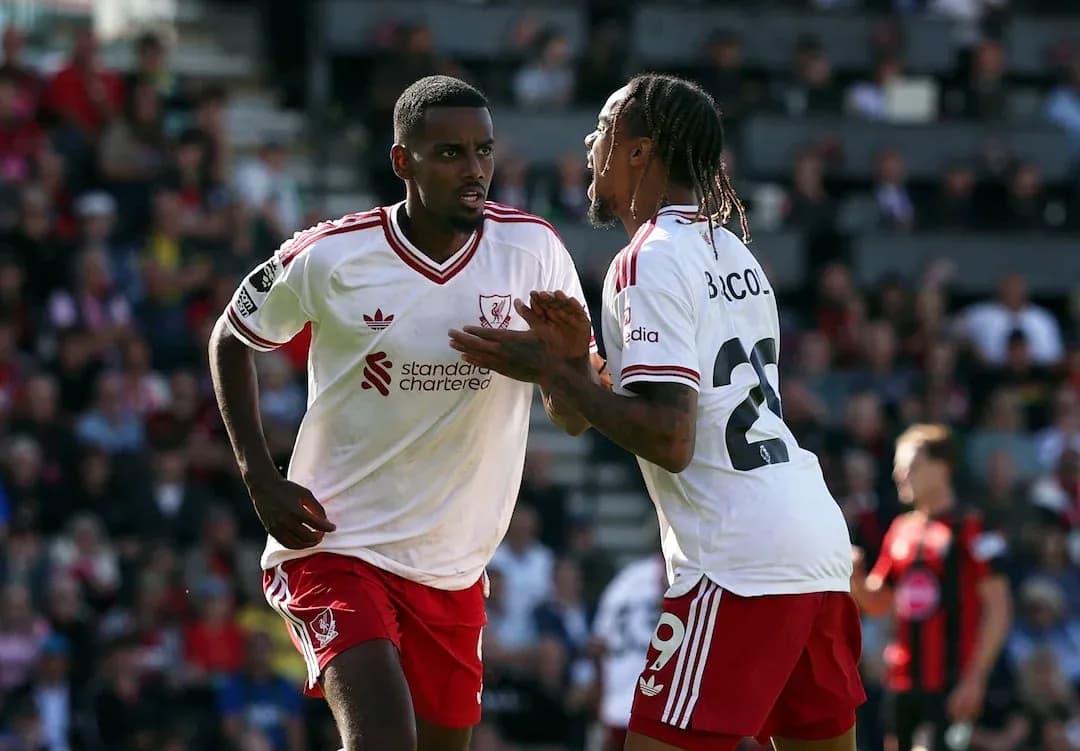
The standout individual in the data is Hugo Ekitike for Liverpool. The 23‑year‑old French attacker has 11 league goals and 4 assists in 28 appearances, with 21 starts and 1810 minutes. His shot volume (48 attempts, 19 on target) and 21 key passes paint the picture of a modern forward who not only finishes moves but helps to construct them. A dribble success of 38 from 72 attempts shows he can carry the ball past defenders, and his duel numbers (239 contested, 92 won) indicate a willingness to engage physically.
Crucially, Ekitike has not scored from the penalty spot this season (0 penalties scored, 0 missed), so his output is built from open play and general attacking involvement rather than set‑piece padding. Against an Everton side that has conceded 19 at home and occasionally struggles when dragged into wide areas, his ability to drift into channels and attack crosses could be decisive.
Everton’s attacking threat is more collective than individual in the available data, but their biggest home win (3‑0) and a total of 21 home goals suggest that when their 4‑2‑3‑1 clicks, the lone striker is well‑supported by the three behind. Their 11 clean sheets also make set‑piece efficiency and transition moments key; they are unlikely to out‑gun Liverpool in a shoot‑out, so they will look to manage tempo and pick their moments.
Discipline and game management
Card data hints at how this derby might feel. Everton’s yellow cards cluster heavily from 46 minutes onwards, especially in the final quarter of the match (24.56% of yellows between 76‑90 minutes). Red cards are also back‑loaded, with dismissals spread between the opening 15 minutes and the last half‑hour. That profile suggests a team whose aggression and intensity can boil over late, particularly if defending a lead or chasing the game.
Liverpool’s yellows also spike late (28.57% between 76‑90 minutes), but they have only one red card on record, coming in added time (91‑105 minutes). Both sides’ tendency to pick up cards as fatigue sets in adds another layer of volatility to a derby that is already emotionally charged.
From the spot, both teams have been flawless this season: Everton have scored 2 of 2 penalties, Liverpool 1 of 1. There is no data on individual penalty takers here, but at team level neither side has missed in 2025.
Head‑to‑head: recent derby history
The last five competitive Merseyside derbies in the league (all between 2023 and 2025) show Liverpool with a clear edge, but not total dominance.
- Liverpool 2‑1 Everton (September 2025, Anfield)
- Liverpool 1‑0 Everton (April 2025, Anfield)
- Everton 2‑2 Liverpool (February 2025, Goodison Park)
- Everton 2‑0 Liverpool (April 2024, Goodison Park)
- Liverpool 2‑0 Everton (October 2023, Anfield)
Across these five, Liverpool have 3 wins, Everton have 1, and there has been 1 draw. Interestingly, at Everton’s ground the record is balanced: one home win (2‑0 in April 2024) and one draw (2‑2 in February 2025). That recent history at Goodison‑linked venues suggests Liverpool’s superiority in the rivalry has been less pronounced once they cross Stanley Park.
The tactical battle
With both managers favouring a 4‑2‑3‑1, much will hinge on who controls the double pivot zones. Everton’s midfield two will be tasked with screening central spaces and tracking Liverpool’s attacking midfielder and Ekitike when he drops off the front line. If they can keep the distances compact and deny Liverpool the chance to play through the thirds, Everton’s defensive solidity and counter‑attacking potential come into play.
Liverpool, for their part, will look to exploit their superior attacking numbers. Averaging 1.6 goals per game against Everton’s 1.2, and with more total goals in their matches (94 combined goals vs Everton’s 76), they will expect to create more chances. Their challenge is to manage transitions: Everton’s best results have come when they can spring quickly from a solid base, as evidenced by their 0‑2 away “biggest win” and multiple clean sheets.
Given both sides’ tendency to pick up cards late, substitutions and game management in the final 20 minutes could be decisive. Fresh legs in wide areas for Liverpool, and perhaps an extra midfielder for Everton, may shape whether the game opens up or tightens.
The verdict
On paper, Liverpool arrive as slight favourites: they are higher in the league, score more, and have taken 3 of the last 5 derbies. However, their away record (6 wins, 3 draws, 7 defeats, with 23‑25 goals) and mixed recent form leave the door open. Everton’s home balance, recent competitive results against Liverpool at their own ground (win and draw), and their capacity for clean sheets mean this is unlikely to be a straightforward away victory.
Expect Liverpool to have more of the ball and the shot volume, with Ekitike central to their attacking patterns. Everton will aim to keep the game tight, rely on their structure in a familiar 4‑2‑3‑1, and look for moments on the break or from set pieces.
A narrow, high‑intensity contest feels most likely, with a draw or a single‑goal margin either way the logical outcome. Liverpool’s extra attacking edge just about tilts the balance, but Everton’s resilience and derby record at home suggest this Merseyside meeting should go deep into the afternoon finely poised.