The Role and Responsibilities of a Football Team Captain
Wearing the captain's armband might seem like a simple gesture, but the duties behind it run deep. A football captain does much more than just lead on the pitch; they influence the team's mindset and performance in many ways.
What Does a Football Captain Actually Do?
At face value, a captain handles the obvious tasks: interacting with match officials, communicating decisions, and keeping teammates in check during tense moments. They lead the team onto the field, choose sides at the coin toss, and deliver motivational talks before kickoff.
Yet, the real impact is often hidden. Captains serve as liaisons between players and the manager, translating coaching strategies into terms that resonate with the squad. When results falter, captains are expected to spot issues and set the bar higher. Supporting younger players quietly, organizing team shape, making quick tactical calls, and managing morale fall squarely on their shoulders.
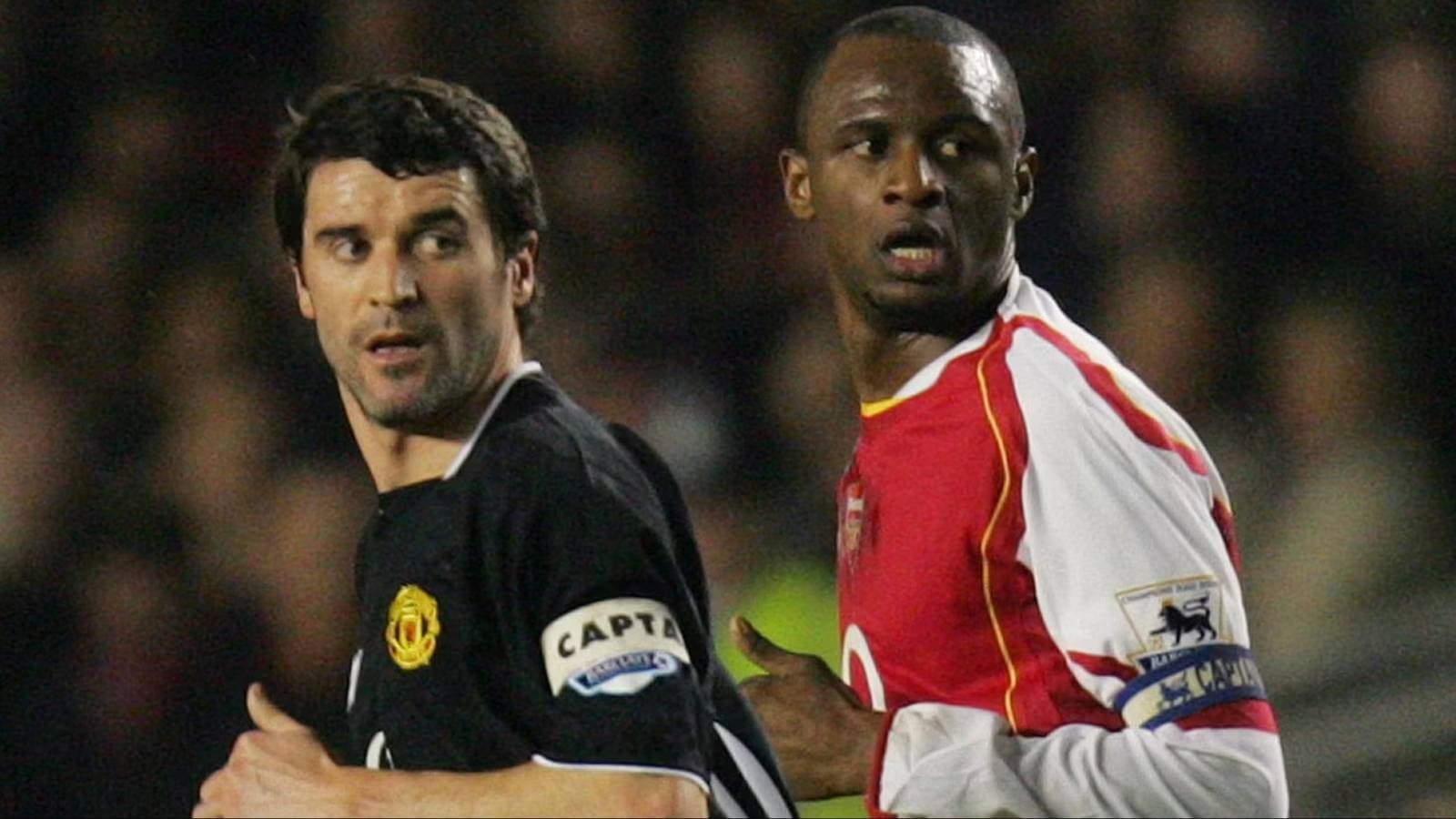
Captains also act as emotional anchors. Football matches can swing dramatically, and the team depends on their leader to stay composed and keep everyone united. Roy Keane’s fierce intensity pushed Manchester United forward, while others may adopt a calmer demeanor, but all share the goal of uniting eleven individuals into a single team.
Qualities That Define a Great Captain
Managers select captains based on different traits. Sir Alex Ferguson favored the fiery spirit of Roy Keane, whose aggression motivated his teammates. Jurgen Klopp preferred the steadiness of Jordan Henderson or Virgil van Dijk, guiding Liverpool with calm leadership. Both approaches led to Premier League success, showing there is no single formula.
Respect from teammates is essential. A captain must earn this through consistency, professionalism, and putting the team first. Personal glory or shying away from tough moments erodes trust quickly. Communication skills are equally important — knowing when to offer support or challenge a player can make all the difference. Above all, captains hold themselves accountable before demanding anything from others.
Some of Football’s Most Renowned Captains
- Sergio Ramos: Joining Real Madrid in 2005, he captained the side to multiple Champions League and La Liga titles, commanding the defense with authority.
- John Terry: Chelsea's defensive backbone for over a decade, part of the Mourinho team that conceded just 15 goals in a season. Terry is the highest-scoring defender in Premier League history and lifted numerous trophies including the Champions League.
- Didier Deschamps: The France national team captain who led them to World Cup victory in 1998. Known as a selfless midfielder, Deschamps excelled in winning back possession and empowering his teammates, earning the nickname "water carrier" from Eric Cantona.
The armband itself doesn't create a captain, but giving it to the right person can transform a team.