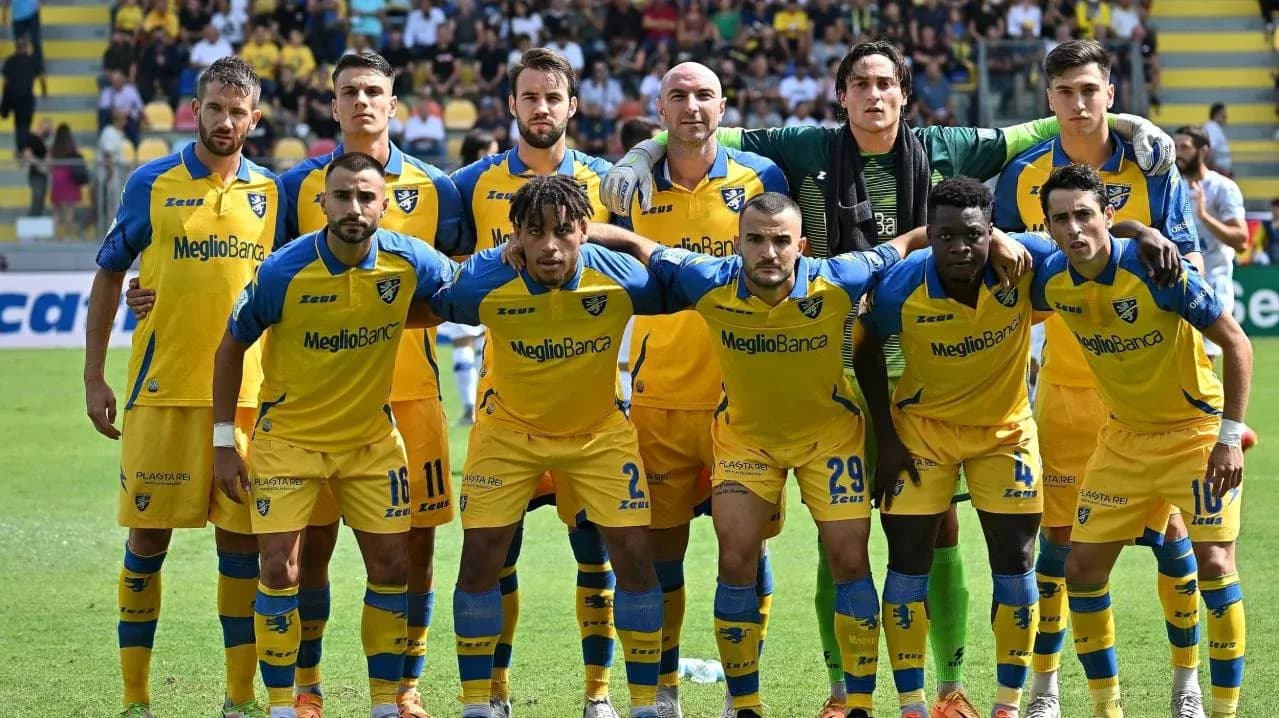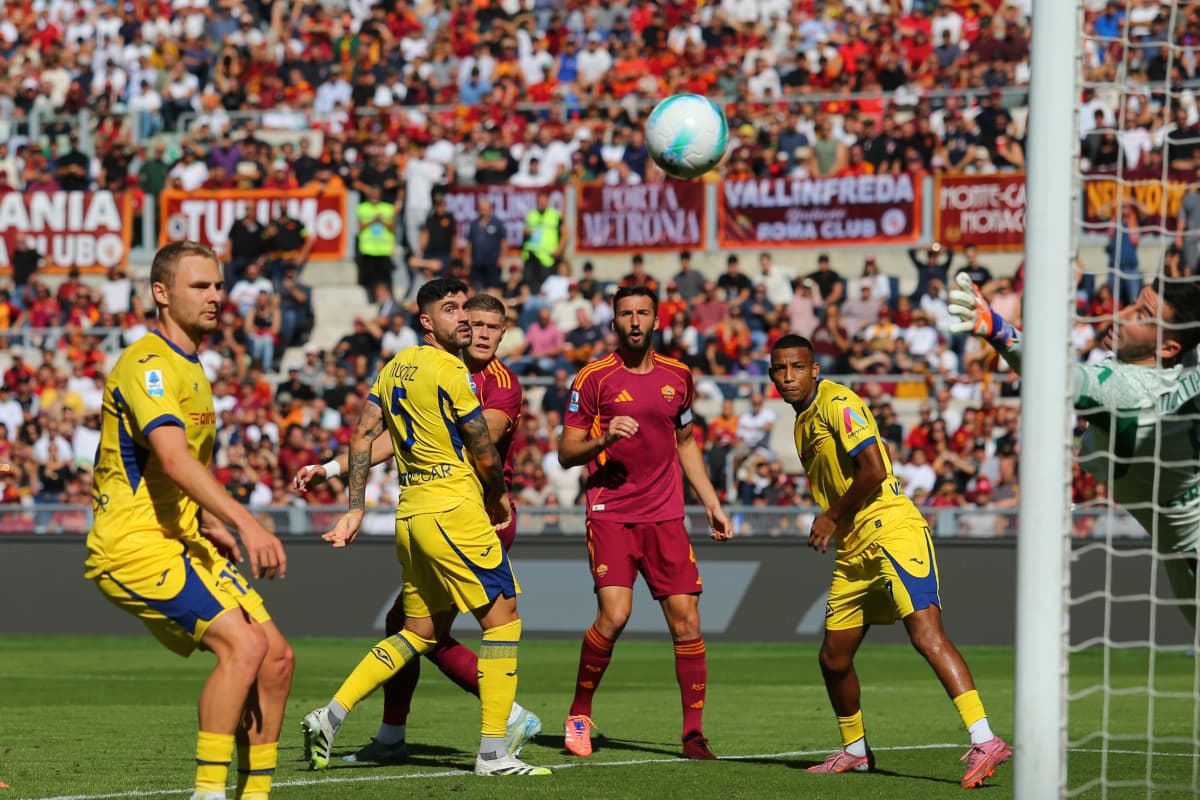
Hellas Verona vs AS Roma: Serie A Final Round Showdown
Hellas Verona host AS Roma at Stadio Marcantonio Bentegodi in the final Serie A round of 2025, a game with very different stakes: for Verona, 19th with 21 points and already in the relegation zone in the league phase (3 wins, 12 draws, 22 losses, 25 goals for, 59 against), it is about salvaging pride and assessing readiness for Serie B; for Roma, 4th on 70 points and currently in the Champions League spots in the league phase (22 wins, 4 draws, 11 losses, 57 goals for, 31 against), it is a high‑pressure trip to lock in a top‑4 finish and avoid any last‑day drama.
Head-to-Head Tactical Summary
The recent head-to-head pattern is sharply split by venue. On 28 September 2025 at Stadio Olimpico in Rome, Roma beat Verona 2-0 in Serie A (Regular Season - 5), leading 1-0 at half-time. Earlier in 2025, on 19 April at Stadio Olimpico (Regular Season - 33 of the 2024 Serie A), Roma again won 1-0, also 1-0 at half-time, in a controlled, low‑margin home performance.
In Verona, the dynamic has been very different. On 3 November 2024 at Stadio Marcantonio Bentegodi (Regular Season - 11), Hellas Verona beat Roma 3-2, having led 2-1 at half-time, in a more open, high‑scoring contest. Before that, on 26 August 2023 at the same stadium (Regular Season - 2), Verona again edged Roma 2-1, after going into the break 2-0 up. Between these Bentegodi fixtures, Roma’s home dominance was underlined on 20 January 2024 at Stadio Olimpico (Regular Season - 21 of the 2023 Serie A), where they defeated Verona 2-1, leading 2-0 at half-time.
Across these five most recent meetings, Roma have been consistently superior at home, while Verona have twice found ways to hurt them at Bentegodi, often by starting aggressively and turning the game into a higher‑tempo, chance‑trading encounter.
Global Season Picture
- League Phase Performance:
Hellas Verona: 19th with 21 points in the league phase, scoring 25 and conceding 59 (goal difference -34). Their home record is particularly weak: 1 win, 5 draws, 12 losses at Bentegodi, with 12 goals for and 26 against.
AS Roma: 4th with 70 points in the league phase, with 57 goals scored and 31 conceded (goal difference +26). Away from home they have 9 wins, 1 draw, 8 losses, scoring 24 and conceding 21, a profile of a proactive side that accepts some defensive risk on the road. - Season Metrics:
Scope detection shows team_statistics games played match the standings (37 vs 37), so these figures describe performance in the league phase.
Hellas Verona: Averaging 0.7 goals scored and 1.6 conceded per match in the league phase, they have a blunt attack and a vulnerable defense (25 goals for, 59 against). The high number of failed-to-score games (19 in 37) underlines a low‑output attack. Discipline is a concern: yellow cards are spread across all phases of matches, and they have collected red cards in early and late periods, indicating lapses in control under pressure.
AS Roma: Roma average 1.5 goals scored and 0.8 conceded per match in the league phase (57 for, 31 against), a balanced profile of a solid defense supporting a productive attack. They have kept 17 clean sheets and failed to score only 7 times, pointing to a consistent attacking baseline and a compact structure, especially at home but also visible away. - Form Trajectory:
Hellas Verona: The standings form string “DLDDL” in the league phase reflects a side that has been hard to turn around in the final stretch: one winless run, scattered draws, and defeats that have entrenched their position in the bottom two. The pattern suggests they can occasionally frustrate opponents but rarely convert performances into victories.
AS Roma: The “WWWWD” sequence in the league phase shows a strong late surge: four consecutive wins followed by a draw, exactly the type of closing run that consolidates a Champions League push. It indicates Roma arrive in Verona with momentum, confidence, and a recent habit of managing different game states successfully.
Tactical Efficiency
Using the league-phase statistics as a proxy for tactical efficiency, Roma operate with a clear structural edge. Their goals profile (1.5 scored vs 0.8 conceded per game in the league phase) points to a side that converts territory and chances into goals at a reliable rate while maintaining defensive compactness. The high clean-sheet count (17) suggests their defensive “index” is strong: they limit opponents’ xG and protect leads effectively.
Verona’s numbers (0.7 scored, 1.6 conceded per game in the league phase) indicate a low attacking efficiency and a defense that is frequently exposed. The fact they have failed to score in more than half of their matches while conceding at more than double their scoring rate highlights a structural imbalance: they struggle to turn possession and attacking phases into high‑quality chances, and they are often forced into reactive defending in their own third.
Roma’s tactical identity, reflected in frequent use of three-at-the-back structures and an ability to win both by margin and by narrow control, aligns with a high “Attack/Defense Index” profile: above‑average attacking output supported by a top‑tier defense. Verona’s reliance on three‑centre‑back systems has not translated into stability; the goals against column and card distribution suggest a reactive, last‑ditch defensive pattern rather than a controlled low block.
The Verdict: Seasonal Impact
For Hellas Verona, this match is unlikely to alter the core outcome of their 2025 league campaign: they are locked in the relegation zone in the league phase, and even a win against Roma would frame the season more as a cautionary tale than a recovery. However, the performance has strategic value. A strong display or result against a top‑4 side can influence squad decisions, tactical planning, and confidence heading into Serie B in 2026. It is effectively an early test of whether their current structure can be a promotion platform, or whether a deeper reset is needed.
For AS Roma, the stakes are far higher. With 70 points and 4th place in the league phase, any slip in Verona could reopen the door for rivals in the Champions League race, turning a strong season into a missed opportunity. A win would likely cement their top‑4 status, validate their late‑season form line (“WWWWD”), and provide a stable springboard for squad building and European planning in 2026. Even a draw could introduce risk depending on concurrent results, while a defeat would be season-defining in a negative sense, inviting scrutiny over their away-game risk profile and game management against lower-ranked sides.
In summary, the seasonal impact is asymmetric: for Verona, the game is about narrative and future planning after a relegation‑level campaign; for Roma, it is a decisive checkpoint for Champions League qualification, with their strong league-phase metrics and recent form putting them under clear obligation to convert superiority into a professional, result‑driven performance at Bentegodi.