Italy’s Potential World Cup Entry Amid Iran's Controversy
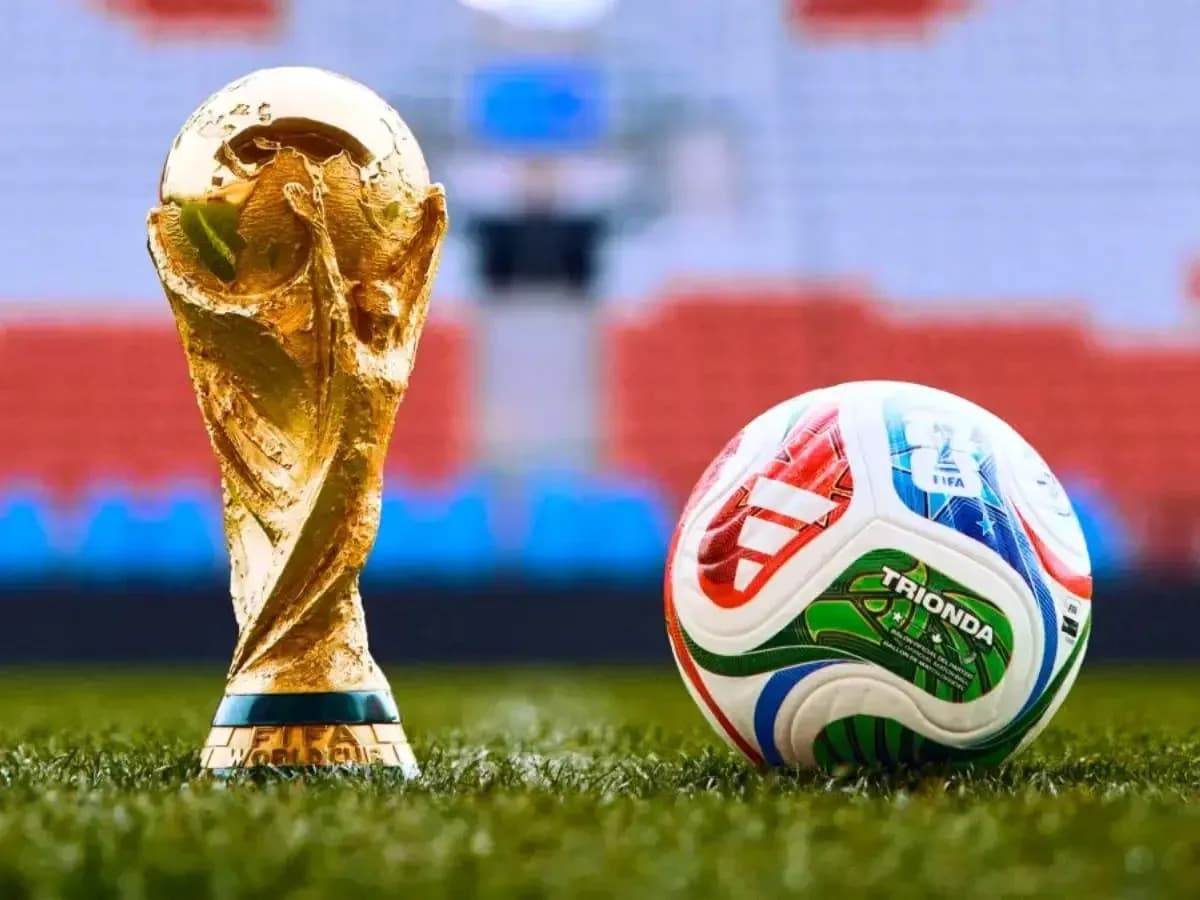
With the 2026 FIFA World Cup less than two months away, the storylines were supposed to be about tactics, squads, and dreams. Instead, one of the tournament’s 48 spots is suddenly tangled in geopolitics, diplomacy, and a bold proposal that has jolted the football world: Italy, four-time world champions and shock absentees from qualifying, being parachuted into the tournament at Iran’s expense.
This is no fan-forum fantasy. It has reached the desk of the White House and FIFA.
A Special Envoy, a Bold Request
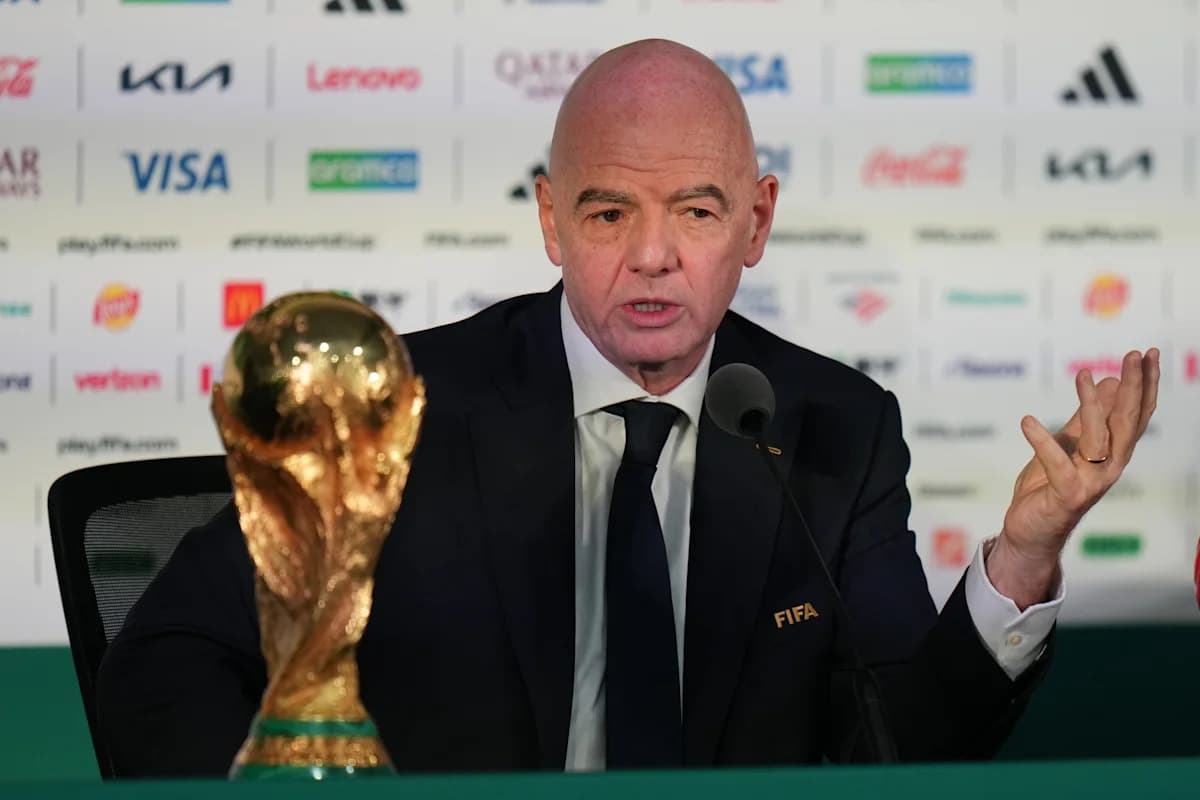
According to a report in the Financial Times, Paolo Zampolli, a special envoy to US president Donald Trump, has formally asked Trump and FIFA president Gianni Infantino to replace Iran with Italy at the 2026 World Cup.
“I confirm I have suggested to Trump and [Fifa president Gianni] Infantino that Italy replace Iran at the World Cup. I’m an Italian native and it would be a dream to see the Azzurri at a US-hosted tournament. With four titles, they have the pedigree to justify inclusion,” Zampolli told the FT.
It is an extraordinary intervention. Italy failed to qualify on sporting merit, falling in the qualifiers and seemingly condemned to watch another World Cup from home. Now, on the back of diplomatic maneuvering, the Azzurri are being spoken of as a possible late entrant to a tournament co-hosted by the US, Mexico, and Canada.
The suggestion is not framed as a footballing decision alone. It arrives dressed in political context, as an attempt to ease tensions between Trump and Italian president Giorgia Meloni after a fallout reportedly triggered by Trump’s comments about Pope Leo XIV in relation to the Iran conflict. Football, once again, finds itself used as a bridge—or a bargaining chip—between nations.
Iran’s Place in Doubt
At the heart of the storm lies Iran’s participation. The Middle Eastern nation is drawn in Group G and scheduled to play all three of its group-stage fixtures on US soil. That is precisely where the problem starts.
Amid rising tensions between Washington and Tehran, Iran has stated it is not willing to travel to the US for its group matches. Those remarks came after Trump publicly warned that Iran “should not travel to the US for their own safety,” a line that only deepened the uncertainty around the team’s involvement.
The fixtures are already on the calendar. Iran are due to open their campaign against New Zealand in Los Angeles on June 15, stay in the same city to face Belgium on June 21, then fly north to Seattle to meet Egypt on June 27. Stadiums are booked, logistics mapped out, fans making plans.
But one essential element is missing: clarity on whether Iran will actually show up.
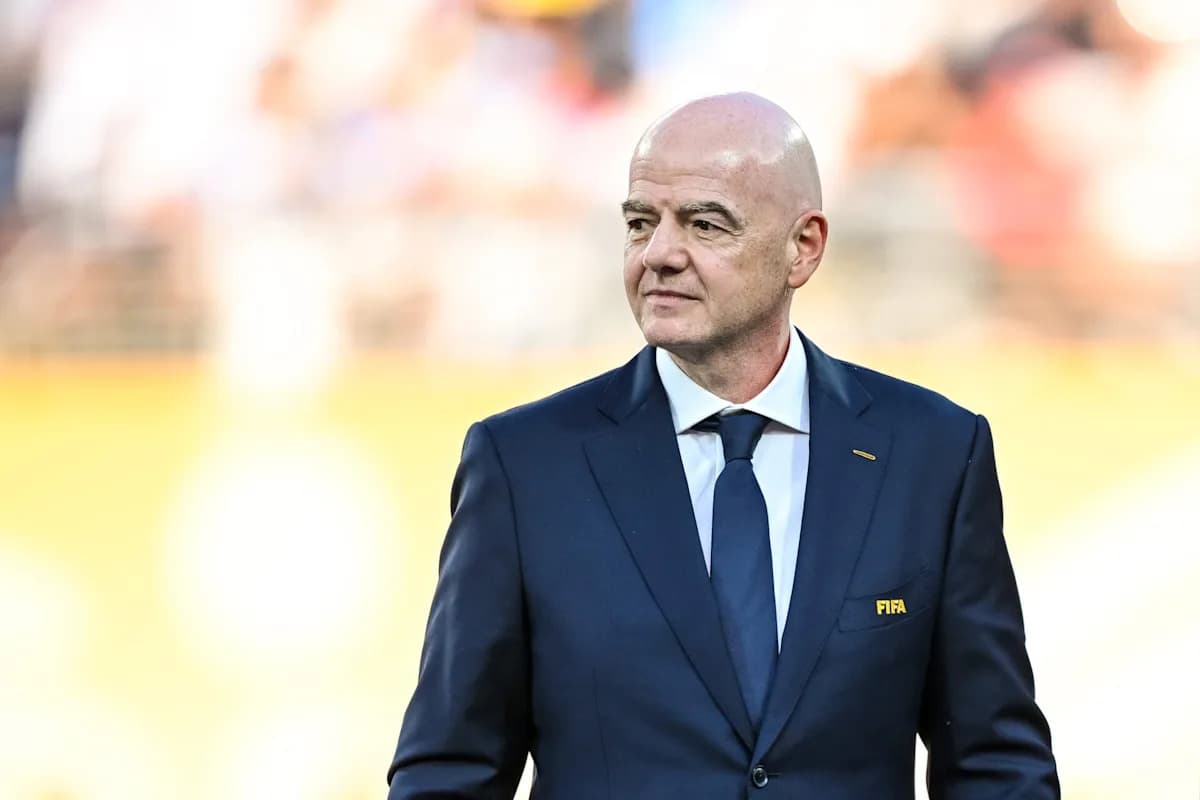
Infantino has projected confidence, expressing belief that Iran will participate as planned. For FIFA, stability is everything. The governing body has long resisted setting precedents where political disputes spill over into last-minute changes to qualified teams. Any move to eject or replace a side that earned its place on the pitch would be seismic.
Italy Waiting in the Wings
That is what makes Zampolli’s proposal so explosive. Italy, with four World Cup titles and a vast global fanbase, would bring glamour and commercial appeal to a US-based tournament. No one disputes their pedigree. The issue is legitimacy.
They did not qualify. Others fell short as well. If Italy are invited back in through a side door, what does that say to the teams they outbid politically but not athletically? What does it say to the integrity of the qualifying process?
Those questions hang in the air, but the idea has already gained traction in the public arena because of who is involved and how close we are to kickoff. This is not a theoretical discussion about future reforms. This is about a live tournament, with a printed match schedule and a nation—New Zealand—preparing for a World Cup opener that might yet feature a very different opponent.
Football Caught in the Crossfire
The World Cup has always been more than a football tournament. It mirrors the world that hosts it: the tensions, the alliances, the flashpoints. The 2026 edition, expanded to 48 teams and spread across three countries, was billed as a celebration of global unity and North American hospitality.
Now, one of its early defining stories is whether a qualified nation will refuse to travel for political and security reasons—and whether a giant of the game could be ushered back in because of diplomatic pressure.
For Iran’s players and fans, the situation is agonising. They earned their spot on the pitch. Their group is set. Their opponents are known. Yet every new statement from Washington or Tehran adds another layer of doubt to their World Cup journey.
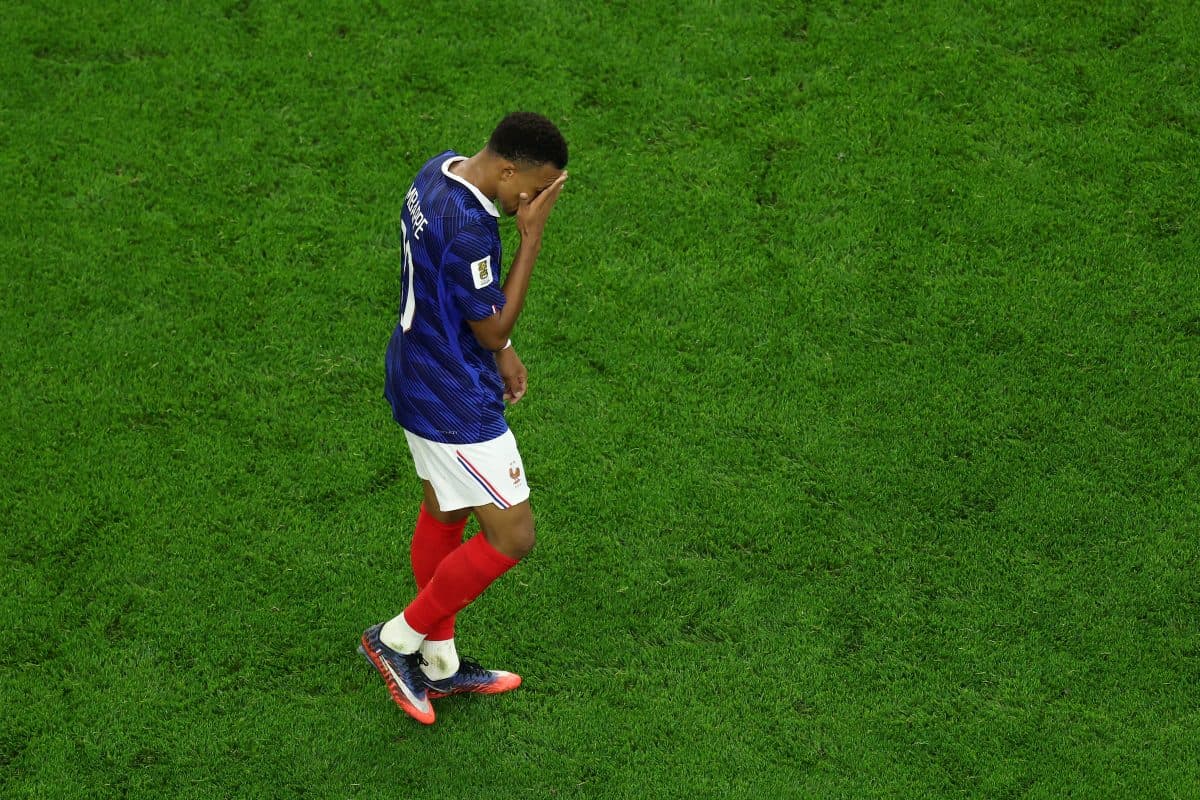
For Italy, the emotion is different. The pain of missing out on another World Cup cut deep. To be offered a route back, even hypothetically, is intoxicating. But it is also controversial. Would they take it? Should they? Those are questions that will echo across Italian football if FIFA and the US administration ever move beyond private discussions.
For FIFA, the decision—if it comes to that—will be defining. Does it hold the line on sporting merit, even if a qualified team refuses to travel? Or does it bend, citing extraordinary circumstances, and invite a former champion in from the cold?
The clock is ticking toward June 12. Group G has dates, venues, and opponents on paper. Whether it has Iran—or Italy—on the pitch is now one of the most charged questions hanging over a World Cup that has barely begun.