Liverpool's Gamble Backfires: Alonso Decision Haunts Anfield
Liverpool did not just sack a manager at the weekend. They detonated a debate that will run all summer.
Arne Slot, champion of England in his first season, out after finishing fifth in his second. A ruthless call from Fenway Sports Group on the bare numbers. Yet it is the calendar, not the league table, that has left Anfield seething.
The Alonso miss that won’t go away
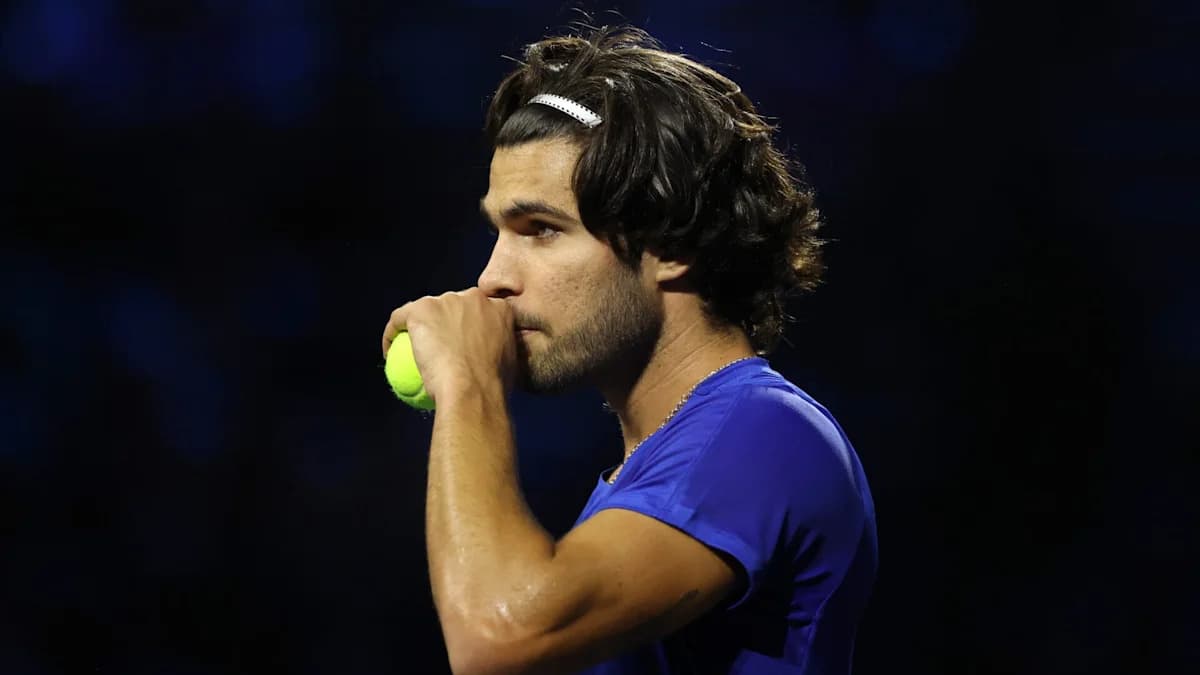
Xabi Alonso was there for them. Out of work after leaving Real Madrid in January, steeped in Liverpool’s history, adored on the Kop, and fresh from a glittering spell at Bayer Leverkusen. He spent months hovering over the market, linked heavily with a return. Then he chose Chelsea last month.
Liverpool stayed loyal to Slot.
Weeks later, that loyalty evaporated.
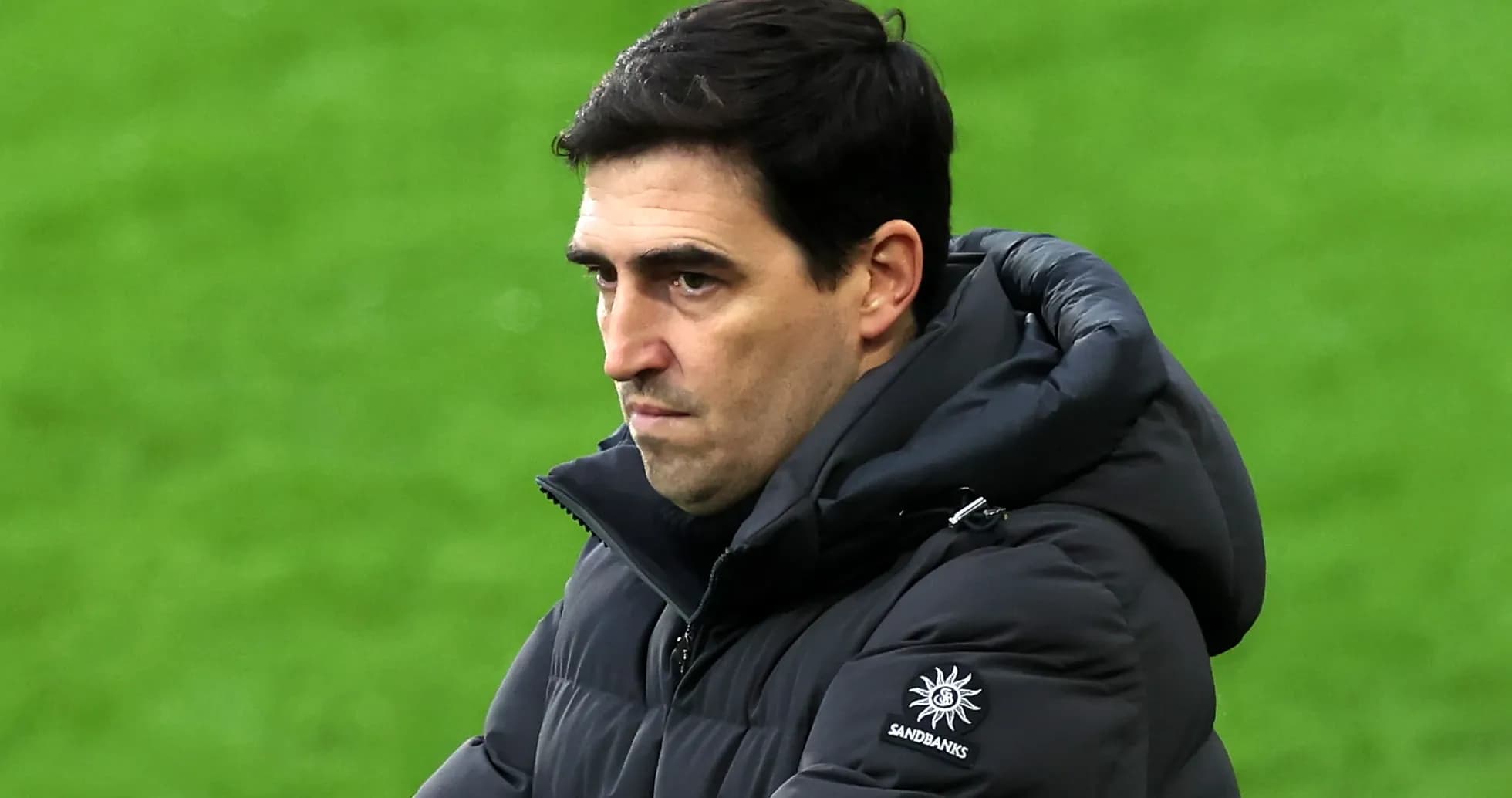
The sequence is what grates. They held their nerve when Alonso was free, then lost it once he had gone to a direct rival. Now, with Andoni Iraola strongly tipped to take over, the club’s strategy is being pulled apart by its own legends.
Jamie Carragher, speaking on The Overlap, did not bother to dress it up.
“I would have changed him (Slot) for Xabi Alonso,” he said. “As soon as he went to Chelsea, I was thinking that I would keep Slot.”
The logic was simple for Carragher. If any doubt existed over Slot’s long‑term fit, Alonso had to be the move.
Carragher’s case for Xabi
Carragher’s argument cut to pedigree and pressure. Alonso is not just a fashionable name; he is a career built in football’s harshest light.
“With Alonso, you have an incredible playing CV, the managers he has been coached by. What he did at Leverkusen. He has managed Real Madrid. I know it didn't go well, but he is used to that pressure and scrutiny,” Carragher pointed out.
He also highlighted the way Alonso maximised Florian Wirtz at Leverkusen, seeing a template for Liverpool’s own creative talents. That detail mattered. It suggested a coach who could elevate individuals inside a collective, not just ride a wave of momentum.
So the question that gnaws: if Liverpool were going to rip up the Slot project, why not do it for Alonso when he was waiting, available, and keen to step back into elite club football?
“If you were going to change it, why was it not for Alonso?” Carragher asked. It is the line that echoes around Merseyside.
Iraola and the tactical fault line
Now the focus swings to Iraola, a coach admired across Europe for his aggressive, high‑pressing football and his work at Bournemouth. On paper, he fits the modern template: front‑foot, intense, tactically clear.
Carragher, though, sees a tactical collision coming.
“If Liverpool chose Iraola over Alonso, it is very worrying for Liverpool,” he warned. “If it is because Alonso wants to play a back three, or his style of play, fair enough. But I am not sure Liverpool has the players to play Iraola's high‑pressing game.”
This is not a throwaway concern. Iraola’s football is unforgiving. It demands extreme physical output, repeated sprints, and a squad tailored to squeeze the life out of opponents over 90 minutes, week after week. Bournemouth bought into that and built accordingly.
Liverpool’s squad has been shaped by different ideas, different managers, different rhythms. To flip into Iraola’s relentless style without a major overhaul is a risk, bordering on a gamble, especially in a league where the margin for error is shrinking at the top.
A rebuild on every front
And that is before you get to the rest of the summer.
Mohamed Salah has gone. The new manager walks into a dressing room missing its most reliable source of goals and its defining attacking presence of the last decade. Finding a world‑class replacement on the wing is not a side quest; it is central to whether Liverpool can compete for major honours next season.
Then there is the staff exodus. Slot’s departure drags assistants Sipke Hulshoff, Giovanni van Bronckhorst and Ruben Peeters out of the building with him. Years of trust, routine and internal knowledge vanish in one swing. Whoever comes in must not only impose a philosophy on the pitch but rebuild the training‑ground hierarchy from scratch.
Iraola has shown he can handle churn. At Bournemouth he steadied the club after key sales, reshaped the team and kept them competitive. That experience counts. But the glare at Anfield is harsher, the expectations heavier, the scrutiny constant. Mid‑table resilience is one thing; living with the weight of Liverpool’s history is something else entirely.
A crossroads of their own making
Strip it back and Liverpool stand at a crossroads they helped create.
They had a title‑winning manager and chose to sack him. They had a club icon in Alonso within reach and chose not to move. Now they are likely to hand the reins to Iraola, a coach whose style may demand a squad Liverpool do not yet possess.
If Iraola lands running, reshapes the team and turns the chaos into a new, coherent era, the questions fade and the decision looks bold. If he struggles, if the players buckle under the physical and tactical demands, the Alonso debate will not just return.
It will define this regime.