Liverpool Faces Loss of Its Scouse Identity with No Local Players Left
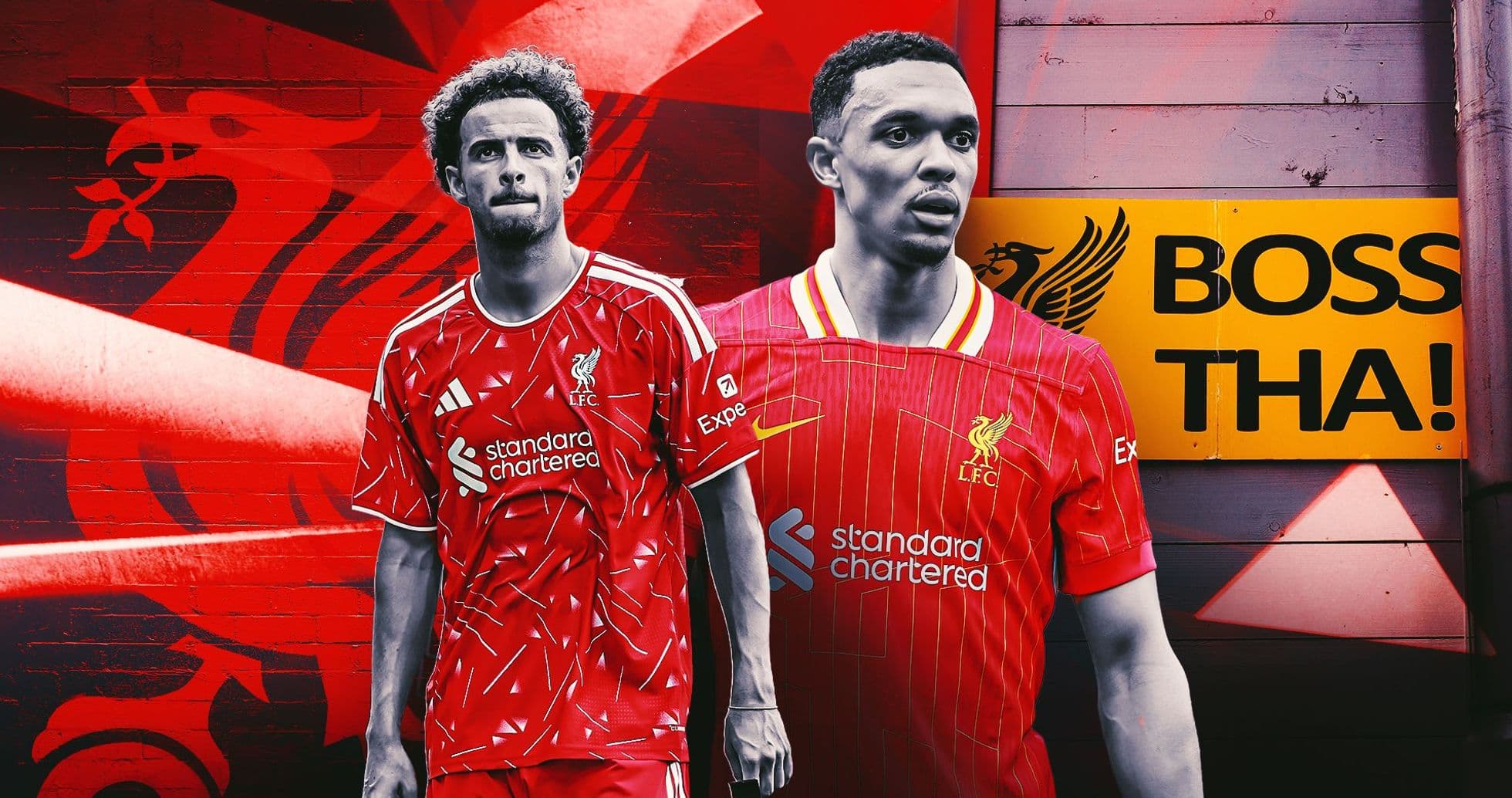
The recent transfer of Curtis Jones to Inter Milan marks a significant moment for Liverpool. With Jones leaving, the Reds now have no players born or bred in Liverpool in their first-team squad—a reality that raises questions about the club's connection to its local roots.
Jurgen Klopp’s Dream Realized and Now Fading
Years ago, Jurgen Klopp expressed his hope to see a first team made up entirely of academy graduates from Liverpool. That dream seemed fulfilled when young talents like Jarell Quansah, Bobby Clark, James McConnell, and Jayden Danns helped Liverpool claim the 2024 Carabao Cup at Wembley against Chelsea. Klopp called it his most special trophy, proud of how academy players had defied expectations to win.
"What we want is to be the place for everybody with a Scouse soul," Klopp said after that victory.
Sadly, the departure of Jones may mean this achievement won’t be repeated soon.
Why Did Curtis Jones Leave?
Jones’ move to Inter on August 21 came after a contract stalemate; the midfielder was unwilling to renew his deal. Though he started being played out of position under former coach Arne Slot, Jones sought more midfield minutes—something uncertain under new manager Andoni Iraola.
Iraola, who values local connections deeply due to his own Basque heritage, openly wanted Jones to stay, emphasizing the importance of having players who feel connected to the city and the club.
"It’s very important that he’s Scouse, that he’s from here," Iraola said earlier in the summer.
Despite this, Liverpool accepted a £25 million fee—considered modest compared to other transfers—and let Jones go.
Concerns Over Losing Liverpool’s Identity
Fenway Sports Group (FSG) have transformed Liverpool financially since taking over in 2010, but some fans worry the club is drifting away from its working-class roots. Rising ticket prices have priced out local supporters, sparking criticism from groups like Spirit of Shankly.
Adding to unease, 1892 Holdings, a consortium backed by Amazon’s Jeff Bezos, recently acquired a 38% stake in the club and could complete a full takeover within a year. Many fear this will accelerate a shift toward wealthier fans and further erode the club’s traditional identity.
"For the people of Liverpool, the club is far more than a tourist attraction," analyst Kieran Maguire remarked. "You don’t want the continued Disney-fication of something so tied to the city’s heritage."
From Local Heroes to Big-Spending Signings
Club legend Steven Gerrard openly criticized selling Jones, emphasizing how local players understand the unique demands of Liverpool and its fans.
"Being from Liverpool means you know the city inside out. That’s why homegrown talent is crucial," Gerrard said.
Meanwhile, former defender Jamie Carragher lamented the club’s recent recruitment style, likening it to Real Madrid’s big-money approach rather than Liverpool’s historic value-driven signings.
"Last summer felt like a Real Madrid summer—big names, big fees. I want us to get back to discovering hidden gems," Carragher said.
Despite these concerns, some academy products remain in the wider squad, such as Rio Ngumoha, Trey Nyoni, and potentially Jayden Danns. Yet the influx of high-profile signings has made breaking into the first team harder for homegrown players.
Current Squad and Financial Details
- Most expensive signings made in past two transfer windows
- Bradley Barcola signed from Paris Saint-Germain recently
- Three players now valued over £100 million in the squad
- No Scouse players available for selection under Iraola
On the pitch, this shift is clear. The triumph Klopp cherished with young locals seems unlikely to happen again anytime soon—not just because winning trophies with youth is rare but because Liverpool might have lost sight of what being 'Scouse' truly means.