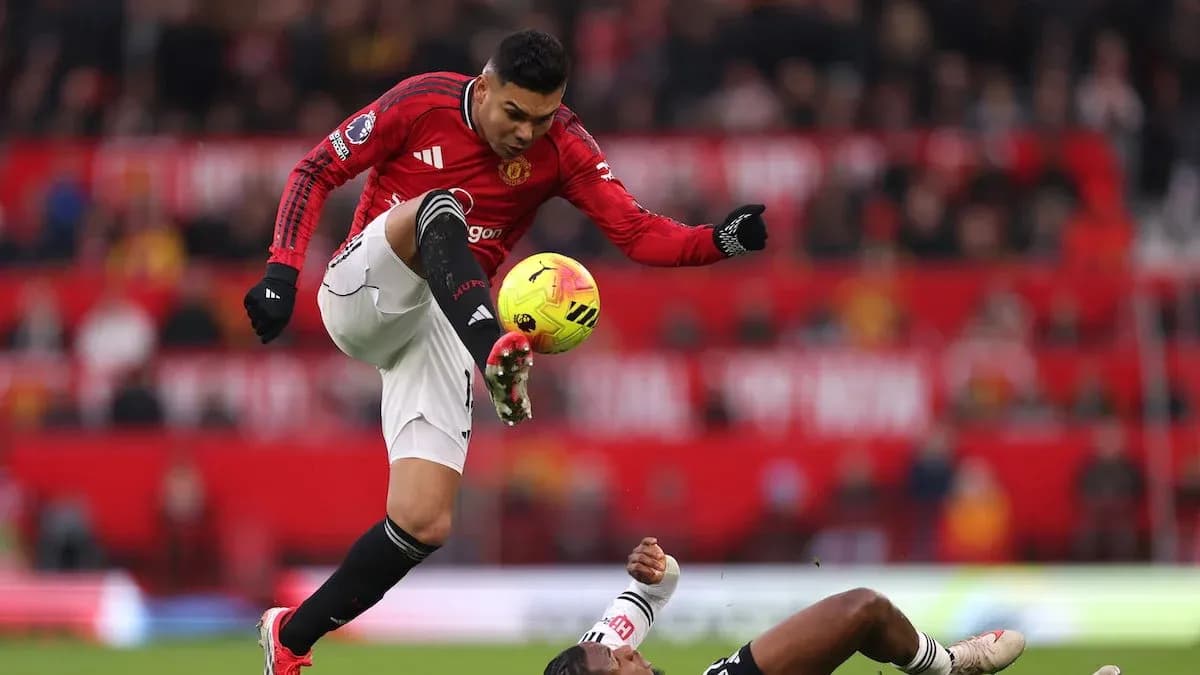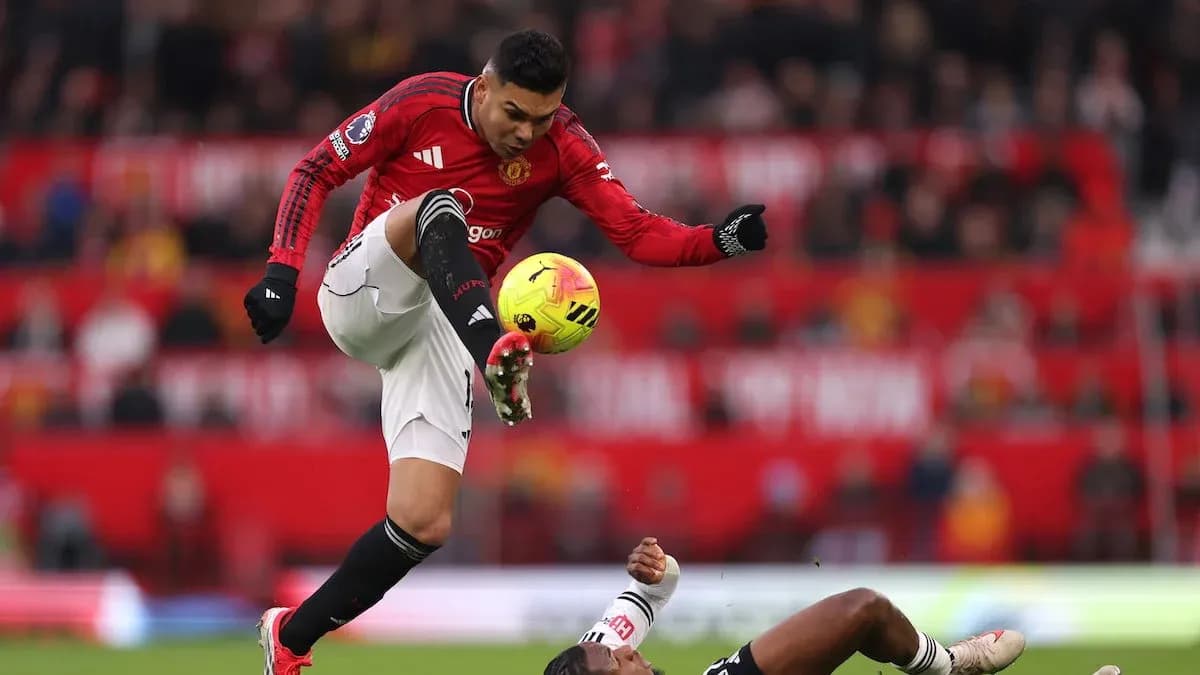
Manchester United vs Leeds: Premier League Clash Prediction
Leeds United welcome Manchester United to Elland Road on January 4, 2026, in a fixture that rarely needs extra motivation. Leeds are fighting to keep daylight between themselves and the relegation fight, while United are trying to consolidate a place in the European positions and build momentum into the second half of the season. On paper, United carry the higher ceiling, but the match-up is far less straightforward than the table alone suggests—especially in Leeds’ stadium, where intensity and rhythm can flip quickly.
Prediction Section
Leeds’ league position reflects a season of narrow margins: they have often been competitive without consistently turning good spells into wins. Their recent form (DDWDD) underlines that point—plenty of resistance, plenty of moments where they look organised, but not enough decisive second-half punch to turn draws into three points. Tactically, Leeds have been comfortable operating in a compact shape and protecting central zones, with their best phases typically coming when they can turn a defensive action into a quick transition rather than trying to dominate long possession spells.
Manchester United arrive with a more positive recent profile (DWLDW) and a clearer ability to win tight games. They have shown they can manage different match scripts—either controlling territory for spells or striking quickly when the opponent commits numbers forward. The key difference is efficiency: United’s attacking players are generally better equipped to convert a limited set of high-value chances, while Leeds often need volume to find a breakthrough.
Home/Away Dynamic
Elland Road matters here. Leeds’ intensity at home tends to raise the tempo and force opponents into more duels than they would like. United, however, have enough technical security and ball-carrying to play through pressure if their midfield spacing is right—and if they avoid cheap turnovers that feed Leeds’ transition game.
Head-to-Head
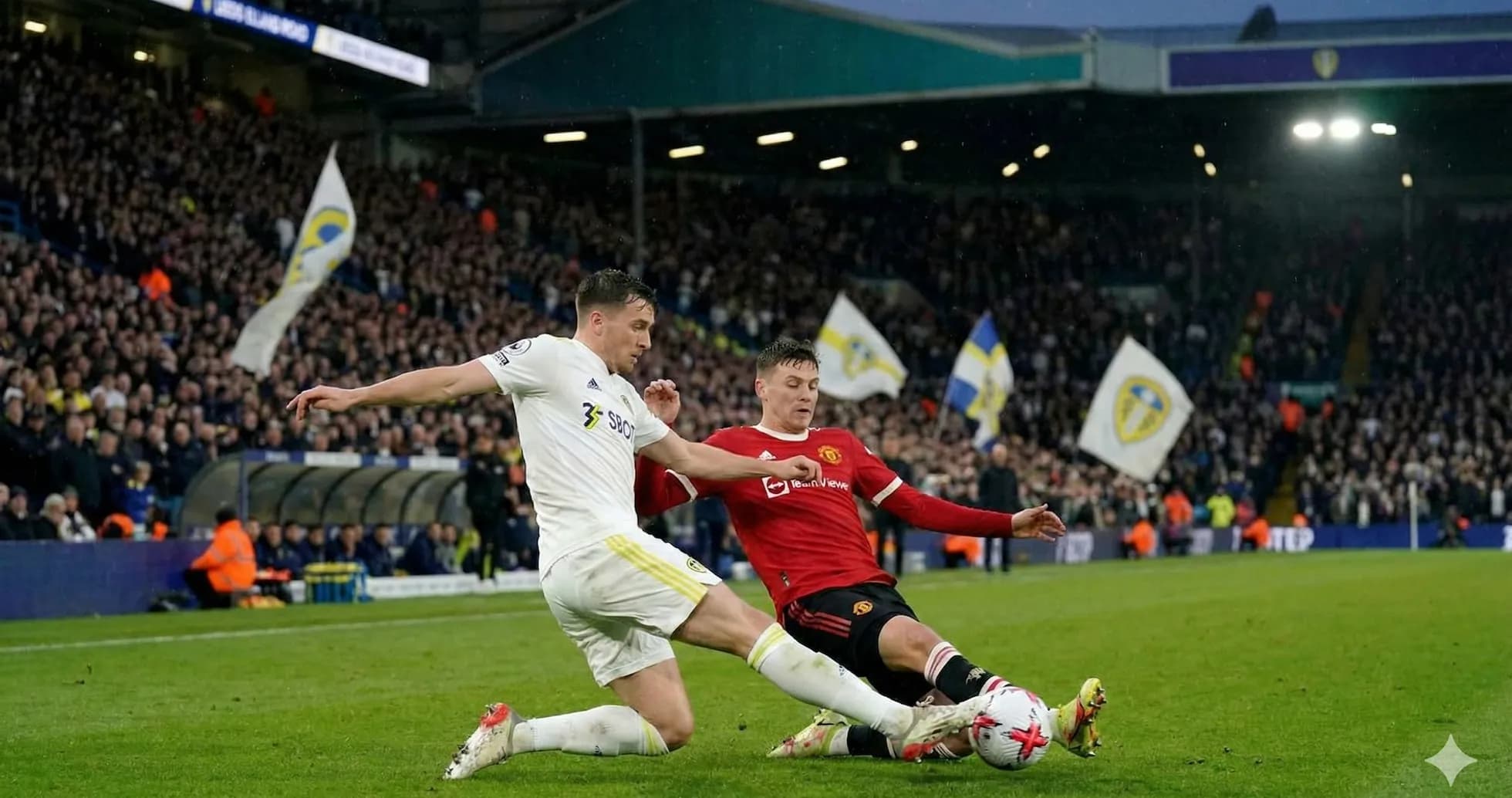
Recent meetings favour United, including a notable win at Elland Road in February 2023. That said, head-to-head history should be treated as context rather than a guarantee, because this Leeds side has shown it can frustrate stronger teams when their structure holds and the crowd buys in early.
Injuries and Player Availability
Leeds’ availability picture needs careful wording. It is not safe to present specific names as definitively “out” without a reliable matchday injury/suspension confirmation, so the preview should be framed around potential late checks and the overall depth challenge Leeds face when the schedule tightens. United also have their own fitness management to consider, but their squad depth and bench options typically give them more flexibility to change the game after the hour mark.
Overall, United look better placed to create the clearer chances, especially if Leeds’ early intensity does not produce a goal. If United score first, the game opens in their favour; if Leeds keep it level into the final half hour, the fixture becomes far more volatile and could hinge on set pieces or one defensive error.
Predicted Outcome
Manchester United to win 2–1, with Leeds capable of making the match uncomfortable, but United more likely to find the decisive moment in the second half.