Manchester United's Path to Success: Five Key Steps for 2026
Manchester United stand on the brink of another summer of upheaval in 2026, but this time the mood around Old Trafford feels different. The club is changing manager yet again after Ruben Amorim’s January exit, yet the usual sense of crisis has been replaced by something far rarer in recent years: genuine optimism.
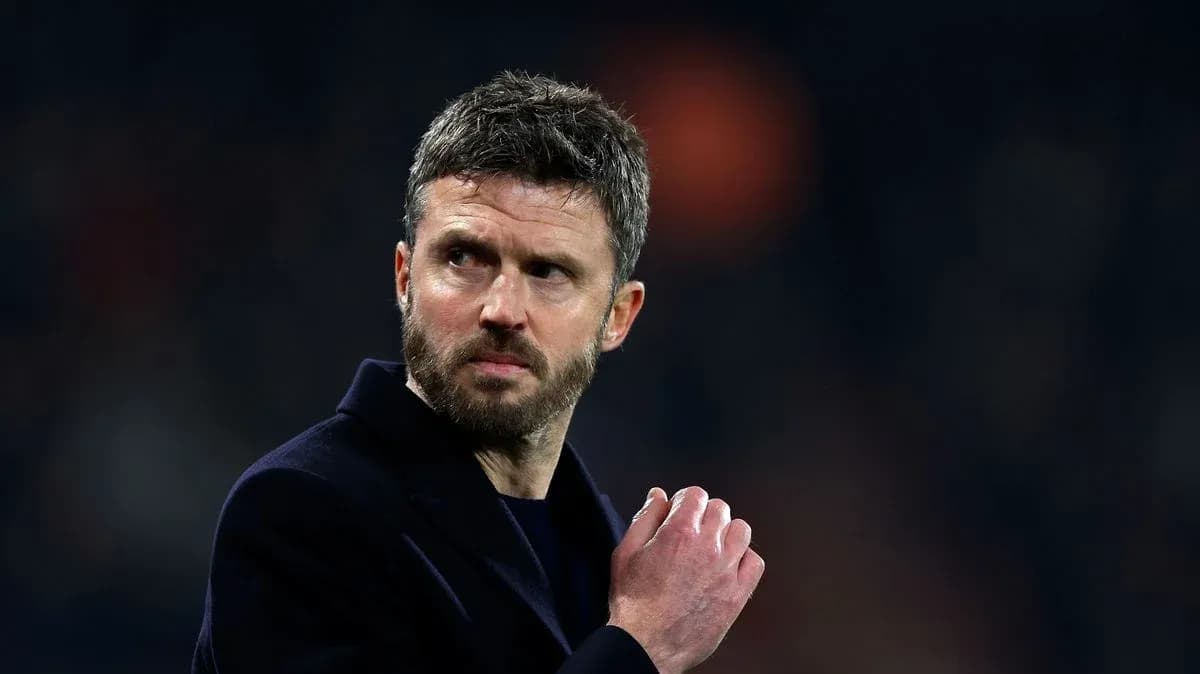
Michael Carrick has done that. The former midfielder has steadied a listing ship, restored some order to a fractured dressing room and dragged United back into serious contention for the top four. Champions League football is now within reach, and with it, the chance to rebuild from a position of strength rather than desperation.
The problem? Arsenal and Manchester City are still miles ahead. Closing that gap in a single window will take ruthless decisions, clear thinking and a level of joined‑up planning that has often deserted Old Trafford in the past.
INEOS know it. Sir Jim Ratcliffe and his team are desperate to show their tenure is more than just a change of name on the letterhead. This summer has to look and feel different.
Here is the five-step route back towards the elite.
1. Decide the manager – and do it early
This is the first domino. Get it right, and everything else can fall into place. Get it wrong, or get it late, and United risk stumbling into another muddled window.
Carrick is the obvious frontrunner. He has earned that status. Results have improved, performances have sharpened and, crucially, the dressing room has made its preference clear. The players want him. They have not been shy about that.
The hierarchy have, so far, chosen not to speak to other candidates. That in itself tells a story, but it also carries a warning: they cannot drift into June still wondering whether to commit. Whether they stick with Carrick or spring a surprise, the call must be made early.
United cannot afford another summer of paralysis while the rest of Europe moves. The squad needs clarity. The recruitment team needs a blueprint. The manager needs time.
If Carrick delivers Champions League football and the players are banging the drum for him, the bold move might actually be the simplest one: hand him the job and let him shape the future.
2. Tie down Bruno Fernandes
Some decisions demand lengthy debate. This is not one of them.
Bruno Fernandes is 31. On paper, that is the age at which big clubs start to consider cashing in. United could command a substantial fee. They hold all the cards with a contract running to 2027 and an option for another year.
But this is not a player you trade lightly. Fernandes is the heartbeat of this side, the creative conscience, the one constant in a team that has lurched from one identity crisis to another. Across this Premier League season, few individuals have carried more responsibility or delivered more consistently.
If United are serious about building something, they do not flirt with the idea of selling their captain and most influential player. They sit him down, put a long-term deal on the table and make it clear he is central to the next era.
The same logic applies, in a different way, to Harry Maguire and Kobbie Mainoo. Maguire has fought his way back from the brink to re-establish himself, while Mainoo has emerged as one of the club’s most important building blocks. Handing both new contracts removes two potential headaches before they develop.
Why create new problems when you already have enough to solve?
3. Cut the wage bill, cash in smartly
This is where sentiment has to give way to strategy.
A return to the Champions League will trigger a 25 per cent wage restoration for players whose salaries were cut after missing out on Europe’s top competition. That uplift even applies to those who have spent this season far from Manchester, such as Andre Onana.
United’s wage bill is already bloated. To balance the books and fund a rebuild, they have to be ruthless with those on the fringes.
Casemiro, the club’s highest earner, has already confirmed he will leave at the end of his contract. Tyrell Malacia and Jadon Sancho are almost certain to follow him through the exit door. Marcus Rashford wants a permanent move to Barcelona, a transfer that will test United’s resolve and negotiating skill against notoriously stubborn counterparts.
Rasmus Hojlund is set for a switch to Napoli, another significant outgoing that will reshape the forward line just a year after the big attacking overhaul of 2025.
Onana, for his part, would like another shot at reclaiming the No.1 shirt. Yet if a decent offer arrives and allows United to recoup a chunk of their investment, that is a conversation they must have. Recent reports that Ratcliffe wants eight departures this summer hint at the scale of the clearout. Manuel Ugarte and Joshua Zirkzee could also be moved on if the right deals appear.
This is not about a fire sale. It is about stripping away the excess, freeing space on the wage bill and creating room for a squad that fits the next manager’s vision, not the last five.
4. Rip up and rebuild the midfield
The forward line got its overhaul in 2025. Now it is the engine room’s turn.
Casemiro’s decision to go only underlines what was already obvious: United’s midfield needs a reset. Mainoo is the cornerstone, a rare academy graduate who looks ready to anchor the club for years. Around him, the picture is far less convincing.
Ugarte has not clicked as hoped. That leaves United short of top-level, ready-made quality in the middle of the park. They do not just need one starter. They probably need two.
This is where the chequebook has to open. Arsenal’s move for Declan Rice showed what happens when a club identifies a leader in midfield and pays what it takes. United need their own version of that statement.
Elliot Anderson fits that brief. The Nottingham Forest midfielder has developed into one of England’s standout talents, and both Manchester clubs have taken notice. Winning that battle against City would send a message: United can still attract the best, and they are prepared to go head-to-head with their neighbours to prove it.
Carlos Baleba remains firmly on the radar as well. After a below-par season, the price tag that scared clubs off last year is likely to soften, turning him into a far more attainable target. Joao Gomes at Wolves is another live option, with relegation to the Championship potentially forcing a cut-price sale.
Get this area right and everything changes. Get it wrong and the gap to Arsenal and City will stay exactly where it is.
5. Build real depth – or pay for it later
The recent league form has been impressive, but it comes with a major caveat. United have played fewer games than their rivals. No European football. Early exits from both domestic cups. A lighter schedule has allowed Carrick to lean on a tight core of trusted players.
That luxury disappears next season if, as expected, they return to the Champions League.
Three games a week will expose any weakness in the squad. Fatigue, injuries, dips in form – all of it hits harder when the drop-off from starter to backup is steep. With a clutch of underperforming squad players likely to leave, United cannot simply promote from within and hope.
They need depth with quality, not just bodies. Players who can step in without the entire level of the team dropping. Players who can start big Champions League nights and not look out of place.
This might be the most expensive part of the entire project and perhaps too much to complete in one window. But ignoring it would be fatal to any talk of competing on multiple fronts.
The choices United make now will decide whether this summer becomes another false dawn or the moment the club finally stops lurching from reset to reset. The structure is there. The money will be there. The Champions League, almost certainly, will be there.
What they do with that platform will define the next chapter at Old Trafford.