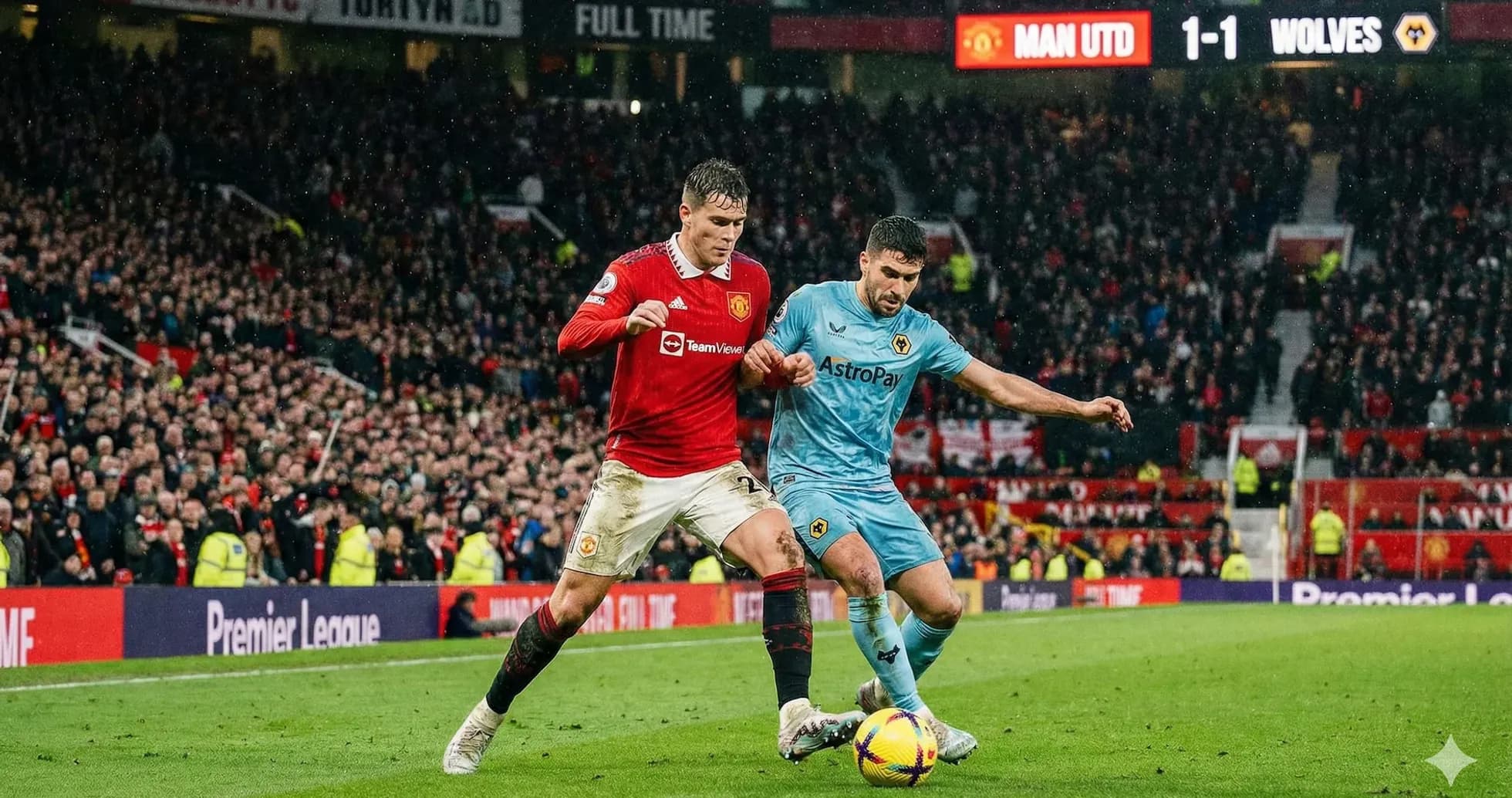
Manchester United vs Wolves: Tense Stalemate at Old Trafford
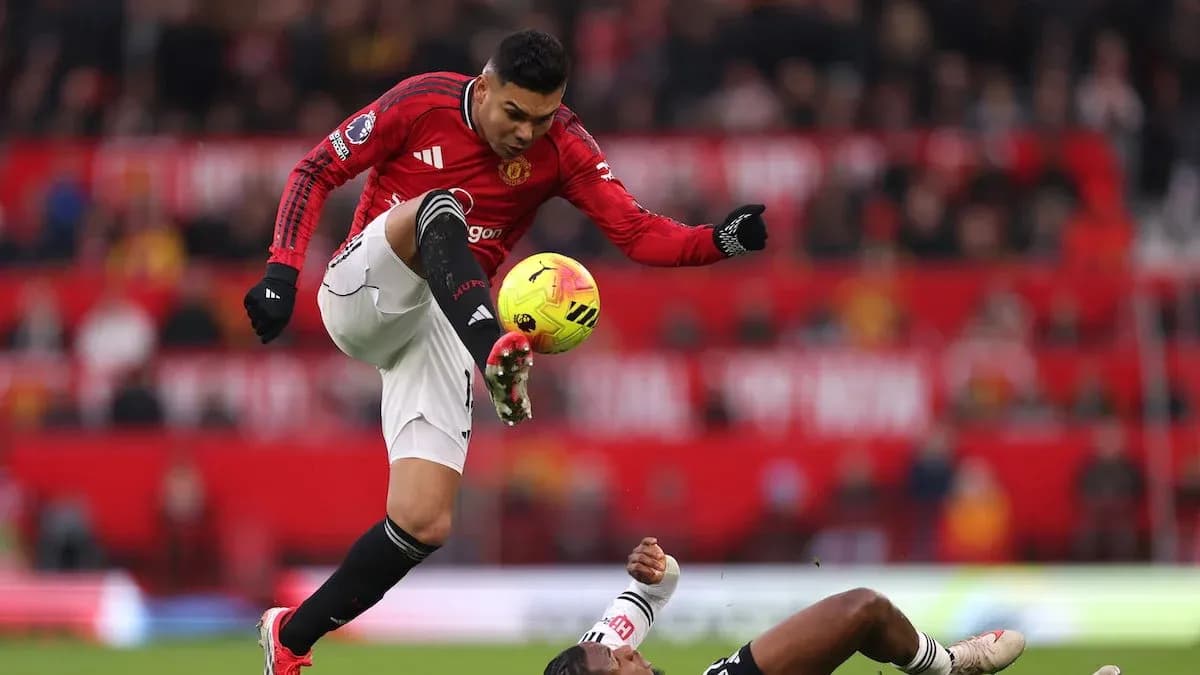
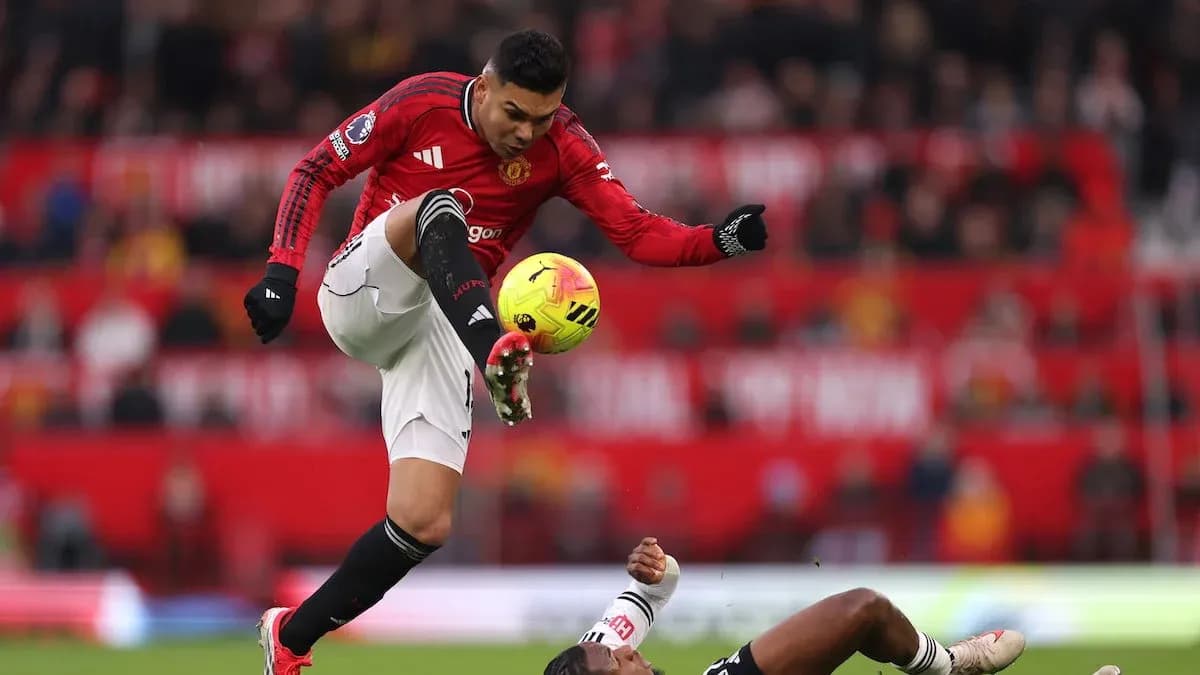
In a hard-fought Premier League contest at Old Trafford, Manchester United and Wolverhampton Wanderers played out a 1–1 draw that left the hosts frustrated and the visitors clinging to a rare positive. United struck first through Joshua Zirkzee in the 27th minute, but Wolves responded just before half-time when Ladislav Krejčí equalised to silence the home crowd. The result encapsulated the two teams’ seasons: United’s control without a killer punch, and Wolves’ stubborn resistance without sustained attacking authority.
First Half Analysis
Manchester United began with the greater initiative, looking to establish rhythm through their midfield and work Wolves backward with patient circulation. Wolves, meanwhile, defended compactly and aimed to disrupt United’s build-up, accepting long spells without the ball in exchange for set-piece opportunities and transitional moments.
The breakthrough arrived on 27 minutes, but it carried an element of fortune. Zirkzee’s shot took a deflection off Krejčí on its way into the net, wrong-footing the goalkeeper and giving United the lead. It was the kind of goal that often opens the floodgates at Old Trafford, and United had opportunities to build on it. Benjamin Šeško, for instance, came close to doubling the advantage but struck the woodwork, a chance that would later feel costly given how the match unfolded.
Wolves did not offer much in terms of sustained possession, but they stayed within touching distance and waited for a moment of vulnerability. That moment came right on the edge of half-time. A defensive sequence that United failed to manage properly allowed Wolves to level the match, with Krejčí profiting from a misjudged defensive header by Zirkzee. The equaliser arrived as a reminder of Wolves’ reliance on set pieces and chaos in the box — and of United’s continuing susceptibility to lapses at decisive moments. The teams went into the break locked at 1–1, with the match finely poised but the psychological swing clearly favouring the visitors.
Second Half Narrative
Rúben Amorim made an immediate change at the interval, withdrawing goalscorer Zirkzee and introducing Jack Fletcher to improve control and structure in midfield. The adjustment reflected United’s desire to dominate territory more cleanly and reduce the transitional risks Wolves were beginning to sniff out. United’s shape remained assertive, but the second half became a tighter, more tactical battle than the first.
Wolves’ approach remained pragmatic. They tried to stay compact, break up passing lanes, and buy time to reset their defensive block. On 63 minutes, Jackson Tchatchoua was booked following an argument, a snapshot of Wolves’ mounting strain under pressure. A minute later, Amorim’s side continued to press, forcing Wolves to defend deeper and rely increasingly on last-ditch blocks and goalkeeper interventions.
Rob Edwards then turned to his bench, introducing Tolu Arokodare for Strand Larsen on 64 minutes to give Wolves fresher legs up front and a more physical outlet for direct balls. Late on, Wolves added further reinforcement and running power, bringing on Hwang in the 88th minute and then making another stoppage-time change as they attempted to protect the point. United also made late substitutions — Leny Yoro replaced A. Heaven at 75 minutes, while B. Mantato came on for M. Ugarte — signalling a desire to maintain tempo and push for a winner without losing defensive balance.
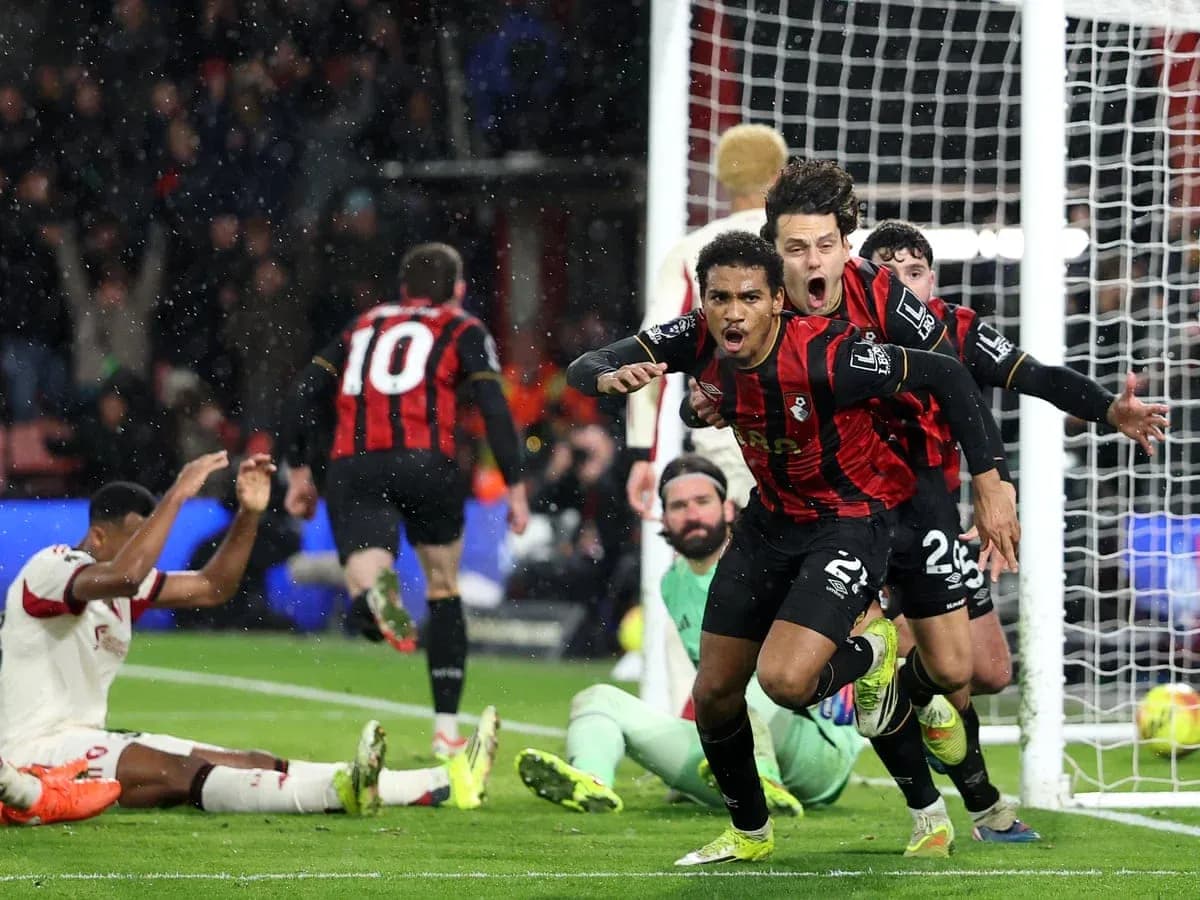
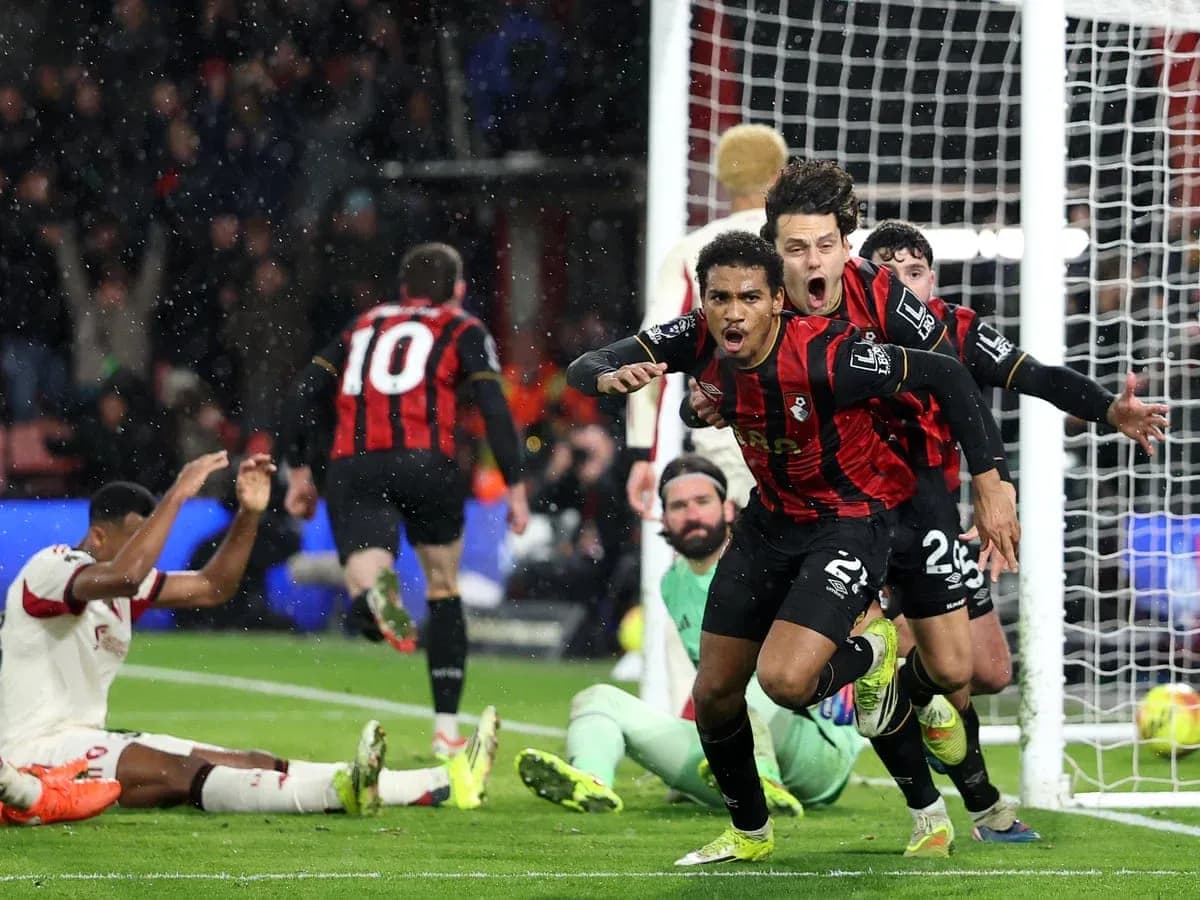
The decisive moment almost arrived in the dying seconds. Patrick Dorgu found the net in the 90th minute, sparking a surge of celebration, only for VAR to rule the goal out for offside. It was a brutal late twist for United: a snapshot of their night — pressure, a moment that looked like rescue, and then disappointment. Wolves, for their part, clung on through stoppage time, with Strand Larsen also picking up a late booking as the game became frantic.
Statistical Deep Dive
The match was defined less by a barrage of high-quality chances and more by momentum swings, defensive resilience, and key incidents. United had the territorial edge for long stretches and forced Wolves into repeated defensive actions, while Wolves’ best spells came from set pieces and direct sequences designed to bypass United’s midfield pressure. Multiple outlets reflect United’s frustration in the final third: control was evident, but the finishing touch — and the decisive legal goal late on — never arrived.
Individual Performances
Zirkzee’s night was a study in extremes: involved in the opening goal (albeit aided by a deflection), then implicated in the defensive moment that led to Wolves’ equaliser before being replaced at the break. Krejčí was central at both ends — unfortunate in the deflection for United’s opener, then decisive with the equalising goal. Goalkeepers also played their part, producing key saves in a second half that demanded concentration rather than constant heroics.
Match Significance & Conclusion
The draw left Manchester United sixth with 30 points, a result that underlined their ongoing struggle to turn dominance into consistent wins. For Wolves, still bottom with only three points, the point was small in the table but potentially meaningful in spirit — proof they can survive heavy pressure and take something away from a difficult venue. United will focus on sharpening their end product and reducing costly errors at key moments, while Wolves must find a way to pair this defensive resilience with more sustained attacking threat if they are to mount any credible escape.