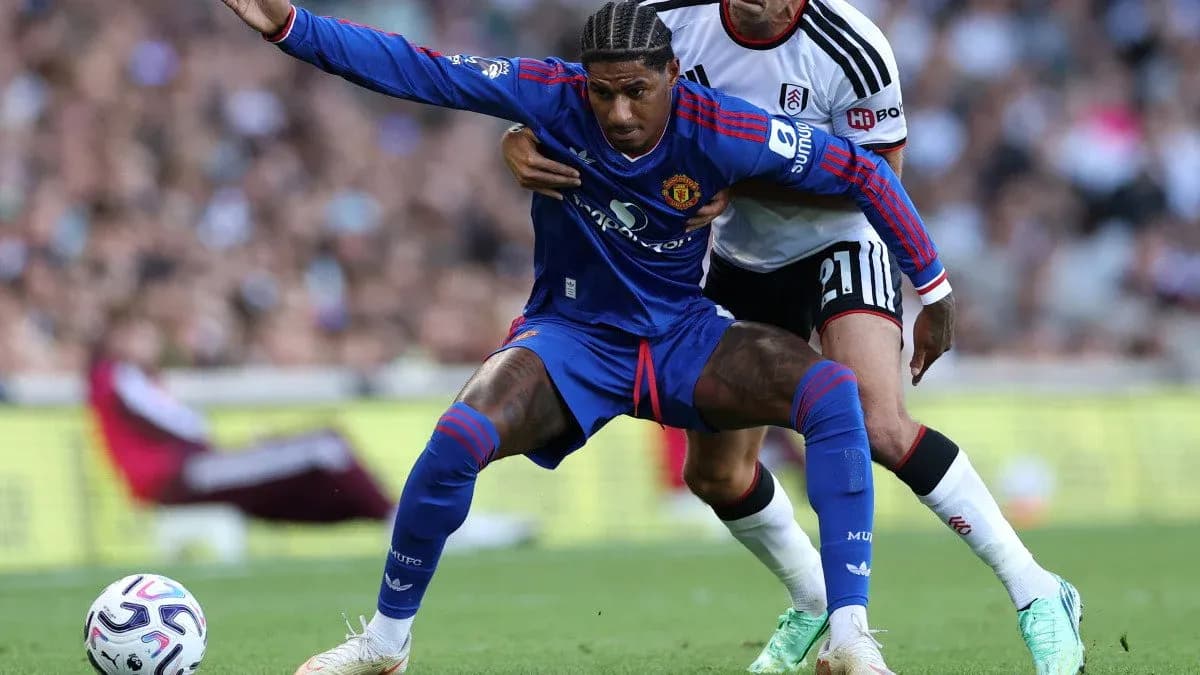
Nottingham Forest vs Fulham: Premier League Clash with Survival Stakes
On 15 March 2026, the City Ground stages a meeting heavy with jeopardy and opportunity as Nottingham Forest host Fulham in the Premier League. Forest start the day in 17th on 28 points, hovering just above the trapdoor with a goal difference of -15. Fulham arrive in 10th on 40 points, with a comfortable but not yet decisive cushion from the chaos below. A 12‑point gap between them underlines the stakes: for Forest, survival fuel; for Fulham, a chance to turn mid‑table safety into something more ambitious.
Form guide and statistical landscape
Forest’s league story is written in struggle and fine margins. Seven wins, seven draws and fifteen defeats from 29 matches, with only 28 goals scored and 43 conceded, paint a picture of a side that rarely gets blown away but too often comes up short. At the City Ground, they have managed just 3 wins from 14, drawing 4 and losing 7. The numbers are stark: 13 goals scored at home (0.9 per game) and 19 conceded (1.4 per game). Eight home matches without scoring underline how frequently their attacking plans stall on their own turf.
Fulham, by contrast, are a more open, volatile proposition. Overall they have 12 wins, 4 draws and 13 defeats from 29, with 40 goals for and 43 against. Their away record is patchier: 4 wins, 2 draws and 8 defeats in 14, scoring 16 and conceding 25. That translates to 1.1 goals scored and 1.8 conceded per away outing. They can hurt you, but they also give you chances.
Recent form trends add nuance. Forest’s extended form line – “WDLLDLLLLDWWLWLWLLLLWDWDLDLLD” – is chaotic, with short bursts of positivity drowned by long losing runs. The biggest streak of defeats (four in a row) shows how quickly confidence can evaporate. Fulham’s form string – “DDLWWLLLLWLWWLLWWWDDWLWLLLWWL” – is similarly streaky but with higher peaks: three‑match winning runs and longer spells of scoring fluency.
Both teams average 1.5 goals conceded per league game overall. The difference is at the attacking end: Fulham’s 1.4 goals per game versus Forest’s 1.0. On paper, the visitors bring the sharper edge in the final third, while Forest lean on defensive organisation and the occasional burst of attacking quality.
Head‑to‑head: a recent Fulham tilt
The last five meetings between these clubs form a tight, self‑contained narrative that leans slightly Fulham’s way:
- On 22 December 2025 at Craven Cottage, Fulham beat Forest 1‑0 in the Premier League, leading 1‑0 at half‑time and seeing it through.
- On 26 July 2025 in Faro, a club friendly saw Fulham win 3‑1, having been 2‑0 up at the break.
- On 15 February 2025 at Craven Cottage, Fulham edged a 2‑1 Premier League victory after a 1‑1 half‑time scoreline.
- On 28 September 2024 at the City Ground, Fulham left Nottingham with a 1‑0 Premier League win, after a goalless first half.
- On 2 April 2024, also at the City Ground, Forest produced the standout result in this run, a 3‑1 Premier League win, having raced into a 3‑0 half‑time advantage.
That closed set gives Fulham three league wins from four across London and Nottingham, plus the friendly success, but Forest can draw confidence from that emphatic 3‑1 home victory in April 2024. It is proof that, on their day, they can unsettle Fulham’s back line and turn the City Ground into a hostile, momentum‑driven arena.
Tactical themes
Forest’s statistical profile screams of a team trying to balance caution with the need to create. Their most common setup is 4‑2‑3‑1 (25 league uses), with occasional switches to 5‑3‑2, 3‑4‑3 and 4‑5‑1. The 4‑2‑3‑1 suggests a double pivot screening a back four, with an emphasis on compactness between the lines and quick transitions when the ball is won.
The problem has been end product. Only 28 league goals and 13 at home, coupled with 13 matches overall where they have failed to score, show how often attacks break down before they become clear chances. Yet the “biggest wins” line – 3‑0 at home and 0‑3 away – hints at a side that, when the pieces click, can overwhelm opponents with intensity and vertical running.
Fulham are also primarily a 4‑2‑3‑1 team (26 uses), occasionally morphing into 3‑4‑2‑1. They are more front‑foot in possession, looking to exploit the half‑spaces and get numbers around the box. Their attacking ceiling is higher – they have hit three or more goals multiple times, with a biggest away win of 1‑3 – but their defensive structure is looser, particularly away, where they concede nearly two per game.
This tactical clash sets up a clear question: can Forest’s block and counter approach suffocate Fulham’s creative rhythm, or will Fulham’s extra firepower stretch a Forest defence that concedes 1.4 goals per home match?
Discipline could also matter. Forest’s yellow cards are spread fairly evenly across the match, with a notable spike between 61‑75 minutes. Fulham, intriguingly, pick up a heavy share of bookings late, with 21.67% of yellows between 76‑90 and a striking 25% between 91‑105. In a tight contest, late free‑kicks, pressure and potential second yellows could shape the closing stages.
Key players and attacking focal points
For Forest, Morgan Gibbs‑White is the creative heartbeat and statistical standout. Eight league goals and two assists from midfield, across 29 appearances and 2,483 minutes, underline his importance. He leads Forest in key passes (44) and is heavily involved in duels and dribbles, constantly trying to break lines either with the ball at his feet or incisive passes. He has also converted from the spot in the league, and with Forest perfect from penalties (2 scored from 2), any incident in the area could swing the narrative his way.
Fulham’s headline figure is Harry Wilson. With 9 goals and 6 assists in 27 appearances, he has been one of the league’s most productive wide or advanced midfielders. His 29 key passes, 22 shots on target and strong duel numbers show a player who not only finishes moves but helps construct them. He is also Fulham’s set‑piece threat, and against a Forest side that can be vulnerable when defending sustained pressure, his deliveries could be decisive.
Fulham’s penalty record – 3 scored from 3 – adds another layer. In a match where both teams concede 1.5 goals per game on average, a single penalty could be the margin between survival relief and renewed anxiety.
Team news and selection puzzles
Forest’s preparations are complicated by a substantial injury list. W. Boly, John Victor, D. Ndoye, S. Ortega, N. Savona and C. Wood are all ruled out. That removes experience at centre‑back, depth in wide and forward areas, and options in goal. On top of that, Cunha and L. Lucca are listed as questionable, with general and ankle injuries respectively. If either misses out, Forest’s bench options, particularly in attack, become thinner still.
Fulham’s situation is comparatively kinder but not perfect. Kevin is definitely out, while J. Kusi Asare and Harry Wilson are both questionable. Wilson’s status is the big storyline: without him, Fulham lose their leading scorer and creator, and their attacking structure would need a rethink. If he is fit enough to start, Fulham’s threat level rises considerably; if not, others must step into the creative void.
The verdict
The table and the numbers make Fulham mild favourites. They score more, carry greater attacking variety and have had the better of this fixture in recent meetings. Forest, though, have the desperation factor and the memory of that 3‑1 City Ground win in April 2024 to draw upon. Their home crowd, aware of the stakes around 17th place and a fragile points total, will demand intensity from the first whistle.
Tactically, expect Forest to keep their 4‑2‑3‑1 compact, try to funnel Fulham wide, and rely on Gibbs‑White to knit counters and set‑pieces into genuine chances. Fulham will want to control territory, pin Forest back and test a defence that concedes 1.4 goals per home game with sharp combinations around the box.
It feels set up for a tense, nervy contest rather than a free‑flowing spectacle. Fulham have the tools to edge it, but Forest’s urgency and the City Ground factor should keep them in the fight. A narrow draw or a one‑goal away win looks the likeliest band, with set‑pieces, penalties and the availability of Harry Wilson looming as potential game‑changers in a match that could shape Forest’s survival story in mid‑March 2026.