Nottingham Forest vs Bournemouth: A Tactical Analysis of the 2025 Premier League Finale
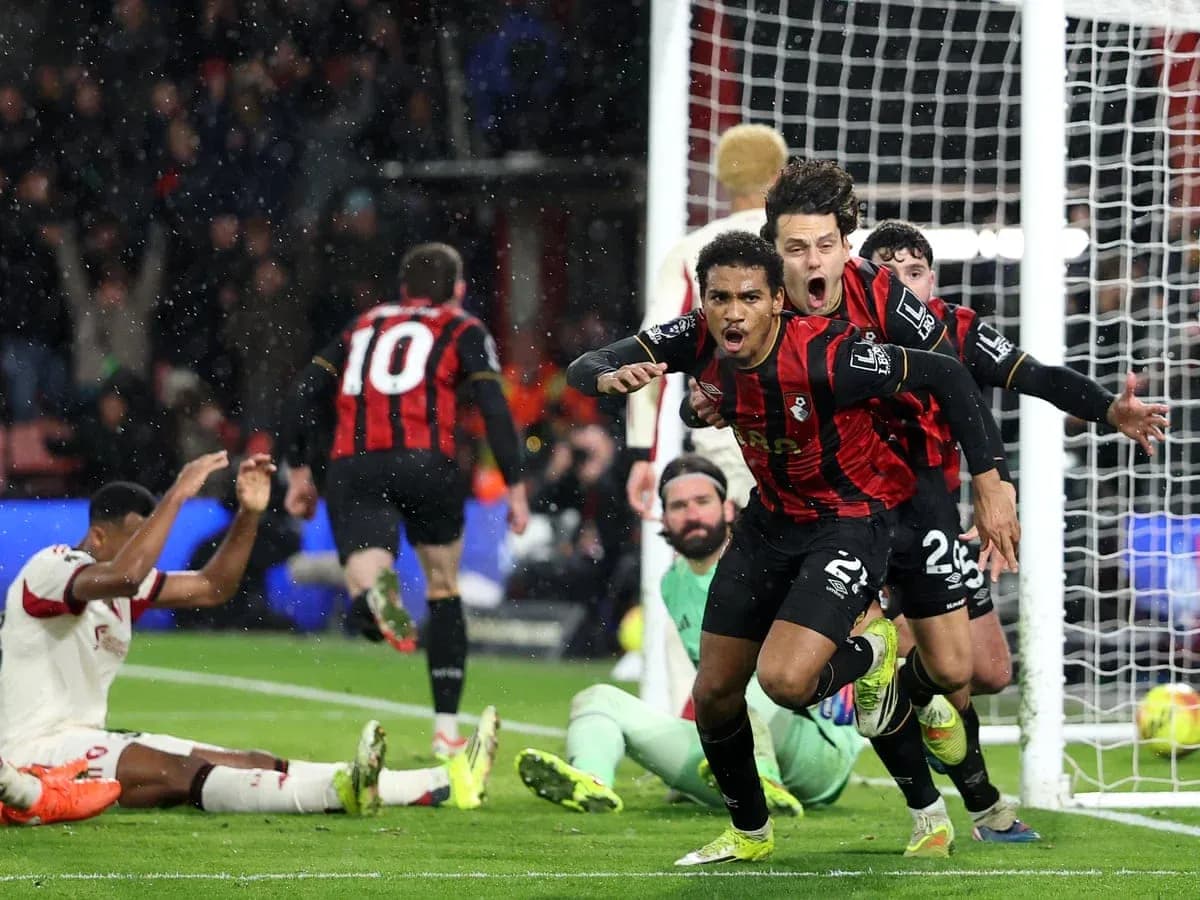
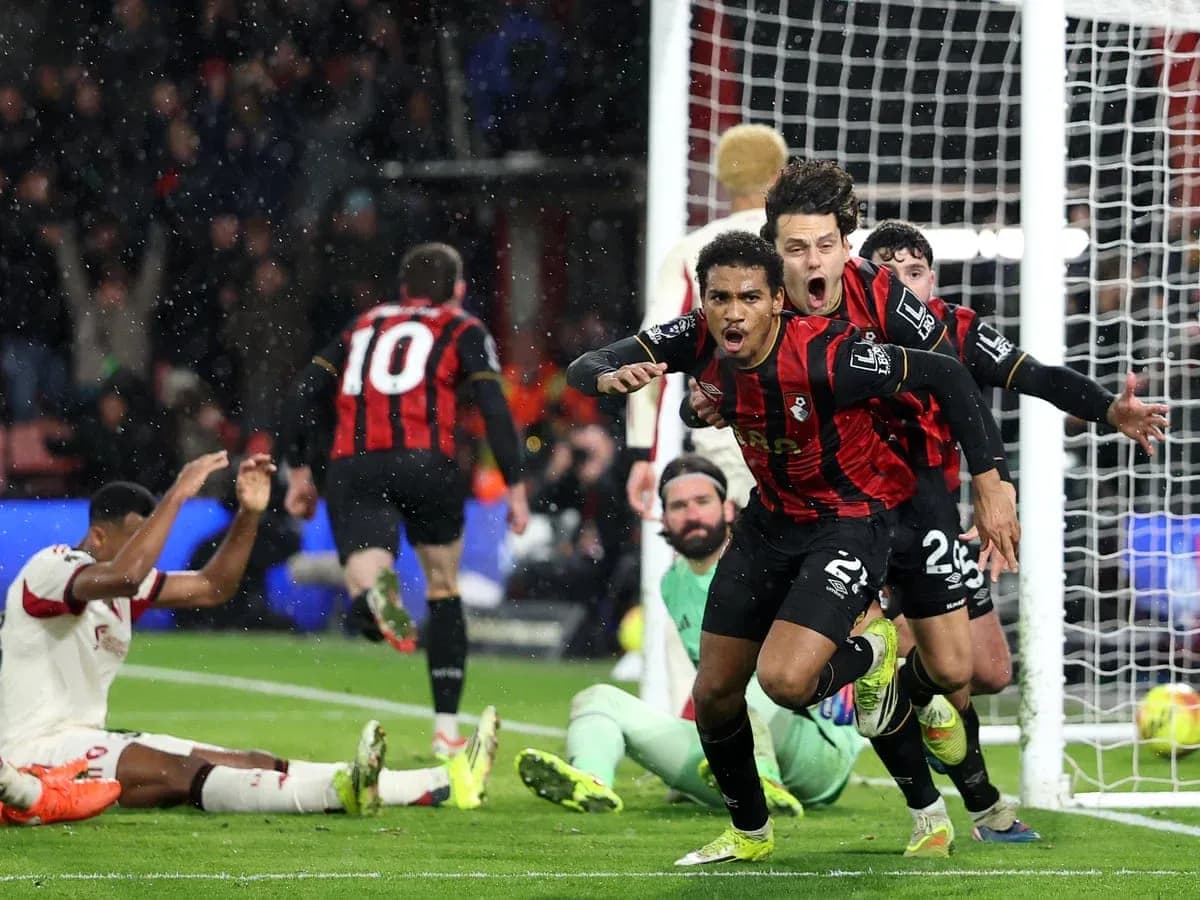
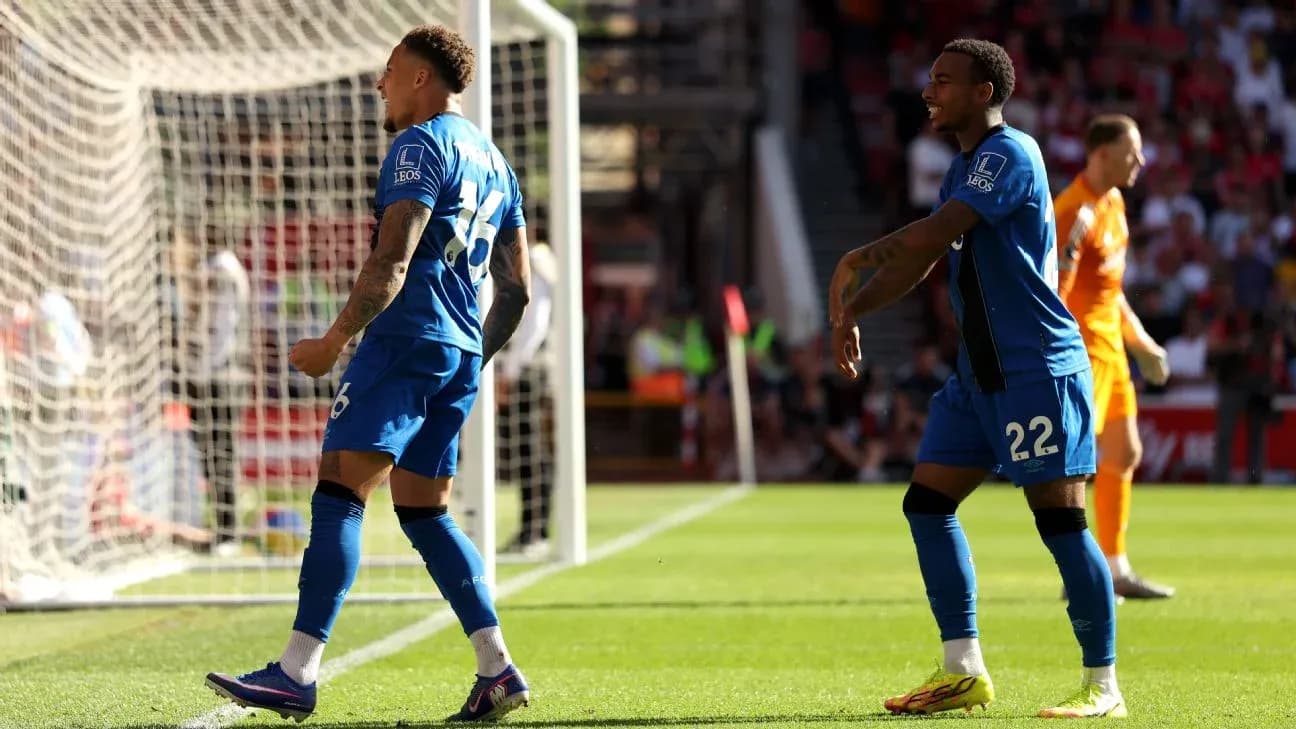
The season closed at the City Ground with a fixture that neatly captured the 2025 Premier League narratives of both clubs. Nottingham Forest, 16th in the table with 44 points and a goal difference of -3 (48 scored, 51 conceded overall), shared a 1-1 draw with a Bournemouth side that has punched above its historical weight, finishing 6th on 57 points with a goal difference of 4 (58 for, 54 against overall) and a Europa League league-phase spot secured.
Following this result, Forest’s campaign reads like a study in fine margins. At home they played 19, winning 4, drawing 8 and losing 7, with 20 goals for and 23 against. An average of 1.1 goals for and 1.2 against at the City Ground underlines why safety was secured but comfort never quite arrived. Bournemouth’s season, by contrast, has been built on consistency: 13 wins, 18 draws and just 7 defeats overall. On their travels they played 19, winning 6, drawing 8 and losing 5, scoring 29 and conceding 34 – a bold, front-foot profile with an away average of 1.5 goals for and 1.8 against.
In that context, the final-day draw felt like an accurate synthesis: Forest’s improved resilience, Bournemouth’s attacking ambition, and both sides’ underlying tendency to leave the door ajar.
Tactical Voids and Selection Choices
Both coaches had to reimagine key parts of their structure. Vitor Pereira was without a whole defensive and creative spine: O. Aina (injury), W. Boly (knee injury), Murillo (muscle injury) and N. Savona (knee injury) all missed out, as did C. Hudson-Odoi (injury). That forced Forest into a 4-4-2 that leaned on N. Milenkovic and Morato as the central pairing, with N. Williams and Cunha as the full-backs. The absence of Aina and Murillo removed two of Forest’s more aggressive ball-carrying outlets from deep, making Williams’ dual role as progressor and defender even more pronounced.
In midfield, I. Sangare and E. Anderson formed the central axis, with O. Hutchinson and M. Gibbs-White operating from the flanks in the listed shape, though Gibbs-White’s natural tendency is to drift inside as a roaming playmaker. Up front, C. Wood and Igor Jesus formed a classic big-man/runner partnership, designed to exploit Bournemouth’s relatively open away defensive numbers.
For Bournemouth, Andoni Iraola’s 4-2-3-1 was also shaped by absences. R. Christie missed out through a red-card suspension, and A. Jimenez – a key defensive presence and the league’s prominent yellow-card collector for the Cherries – was suspended. J. Soler was unavailable with a hamstring injury. Without Jimenez, the back four of A. Smith, J. Hill, M. Senesi and A. Truffert lacked one of its most aggressive duel-winners and ball carriers, subtly changing the way Bournemouth could press and defend wide spaces.
T. Adams and A. Toth sat as the double pivot, with a fluid line of three – Rayan, E. J. Kroupi and M. Tavernier – behind Evanilson. Christie’s absence removed a versatile presser and connector in the half-spaces, placing more creative and transitional responsibility on Kroupi and Tavernier.
Disciplinary profiles framed the risk: Forest’s season-long yellow-card distribution peaks between 46-60 minutes (25.00%) and 61-75 minutes (23.33%), while Bournemouth’s is most volatile late, with 26.14% of yellows in the 76-90 range and a further 21.59% between 91-105. Both teams have seen their only league red cards arrive in the 31-45 and 31-45/91-105 windows respectively, hinting at emotional spikes around half-time and in added time.
Key Matchups – Hunter vs Shield, Engine Room
The headline duel was always going to involve M. Gibbs-White. With 15 goals and 4 assists in 37 appearances, 59 shots (32 on target) and 49 key passes, he is Forest’s creative heartbeat. His tendency to receive between the lines and drive at the back four asked serious questions of Bournemouth’s away defence, which has conceded 34 goals on their travels at an average of 1.8 per game.
Gibbs-White’s “Hunter” role in this context was not just about finishing but about pulling J. Hill and M. Senesi into uncomfortable zones. Without Jimenez’s athletic cover, Bournemouth’s “Shield” was more collective than individual: Adams screening passes, Toth shuttling laterally, and full-backs Smith and Truffert trying to narrow the channels without surrendering the wings.
On the other side, E. J. Kroupi arrived as Bournemouth’s sharpest attacking reference: 13 goals from 33 appearances, 33 shots with 22 on target, plus 22 key passes. His movement from the right half-space into central pockets was designed to test Forest’s central defenders and the spacing between Sangare and Anderson. With Forest conceding 51 goals overall at an average of 1.3 per match, and with only 9 clean sheets, Kroupi’s timing and finishing were a constant latent threat.
The “Engine Room” confrontation pitted Sangare and Anderson against Adams and Toth. Sangare’s brief was to anchor transitions, protect Milenkovic and Morato and give Gibbs-White a platform. Adams, meanwhile, had to both break up play and initiate Bournemouth’s vertical surges. The absence of Christie meant more ball progression fell onto Adams’ shoulders, increasing the risk of turnovers in central zones.
Out wide, N. Williams’ season profile – 96 tackles, 17 blocked shots and 47 interceptions, plus 2 goals and 3 assists – underlined his dual identity. He was tasked with containing Kroupi and Rayan while still offering width to compensate for Forest’s narrower attacking midfielders. His previous red card this season also added a psychological layer; he needed to play on the edge without tipping over it.
Statistical Prognosis and Tactical Verdict
Following this result, the 1-1 scoreline felt statistically coherent with both teams’ seasonal DNA. Forest’s overall averages of 1.3 goals scored and 1.3 conceded, combined with Bournemouth’s 1.5 for and 1.4 against, point strongly toward a balanced xG landscape rather than a blowout. Bournemouth’s away profile – potent going forward but porous at the back – met a Forest side that has failed to score in 9 of 19 home matches yet still carries a high-ceiling creator in Gibbs-White.
From a tactical lens, Forest’s 4-4-2 gave them more direct routes into Wood and Igor Jesus, using second balls for Gibbs-White to exploit. Bournemouth’s 4-2-3-1 sought to stretch Forest horizontally, using Kroupi and Tavernier between full-back and centre-back. The injuries and suspensions on both sides removed some of the chaos agents – Aina’s surges, Jimenez’s aggression, Christie’s pressing – and nudged the match towards structure rather than volatility.
In xG terms, the underlying numbers would likely have tilted narrowly in Bournemouth’s favour given their season-long attacking output, but Forest’s compactness, Williams’ defensive volume and Sangare’s screening would have kept the visitors from fully capitalising. A shared scoreline, a shared narrative: Forest survive with lessons about home efficiency, Bournemouth stride into Europe with a reminder that their attacking verve must be balanced by greater defensive control on their travels.