One Knoxville Edges Chattanooga Red Wolves in Penalty Shootout
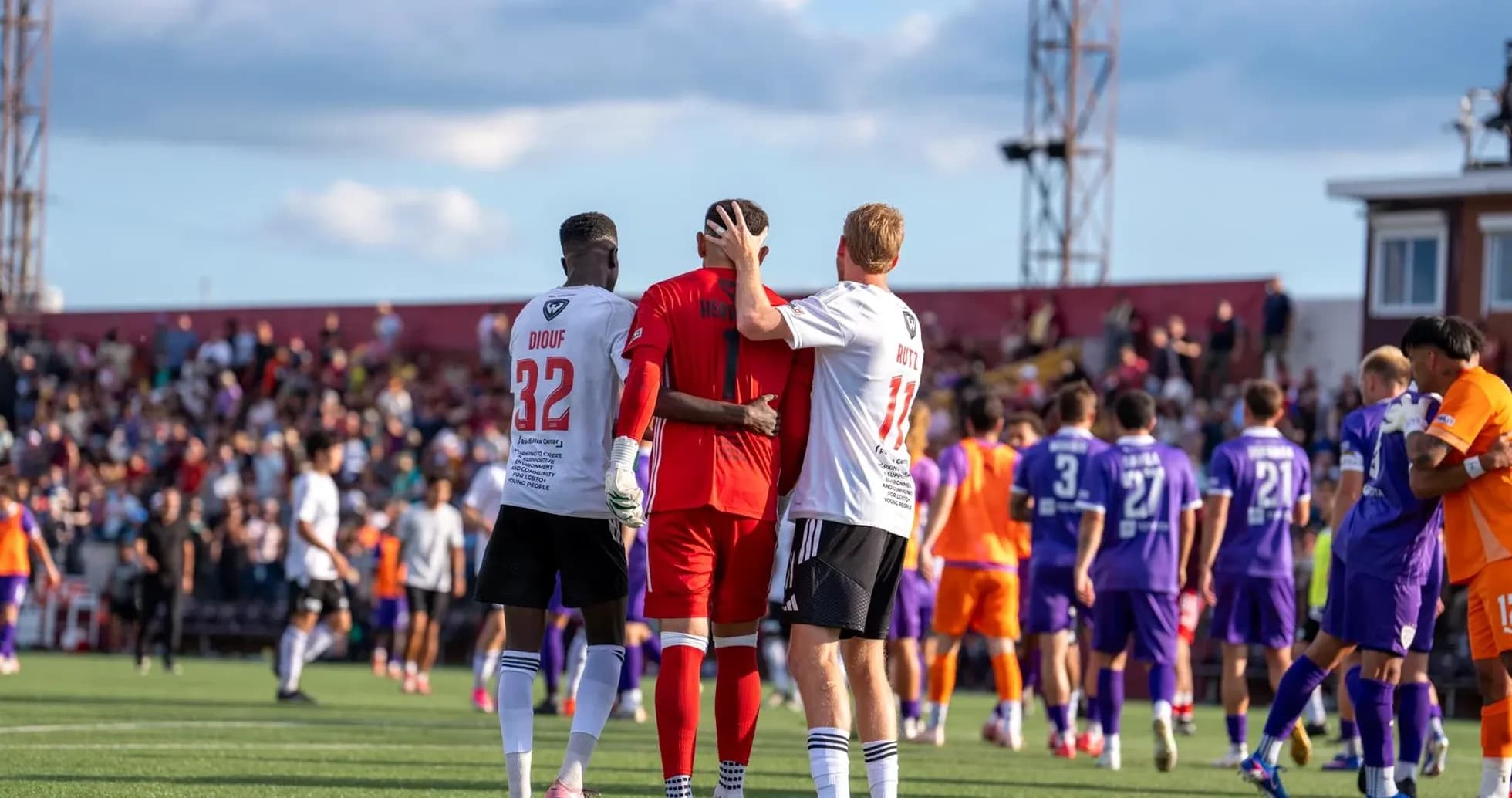
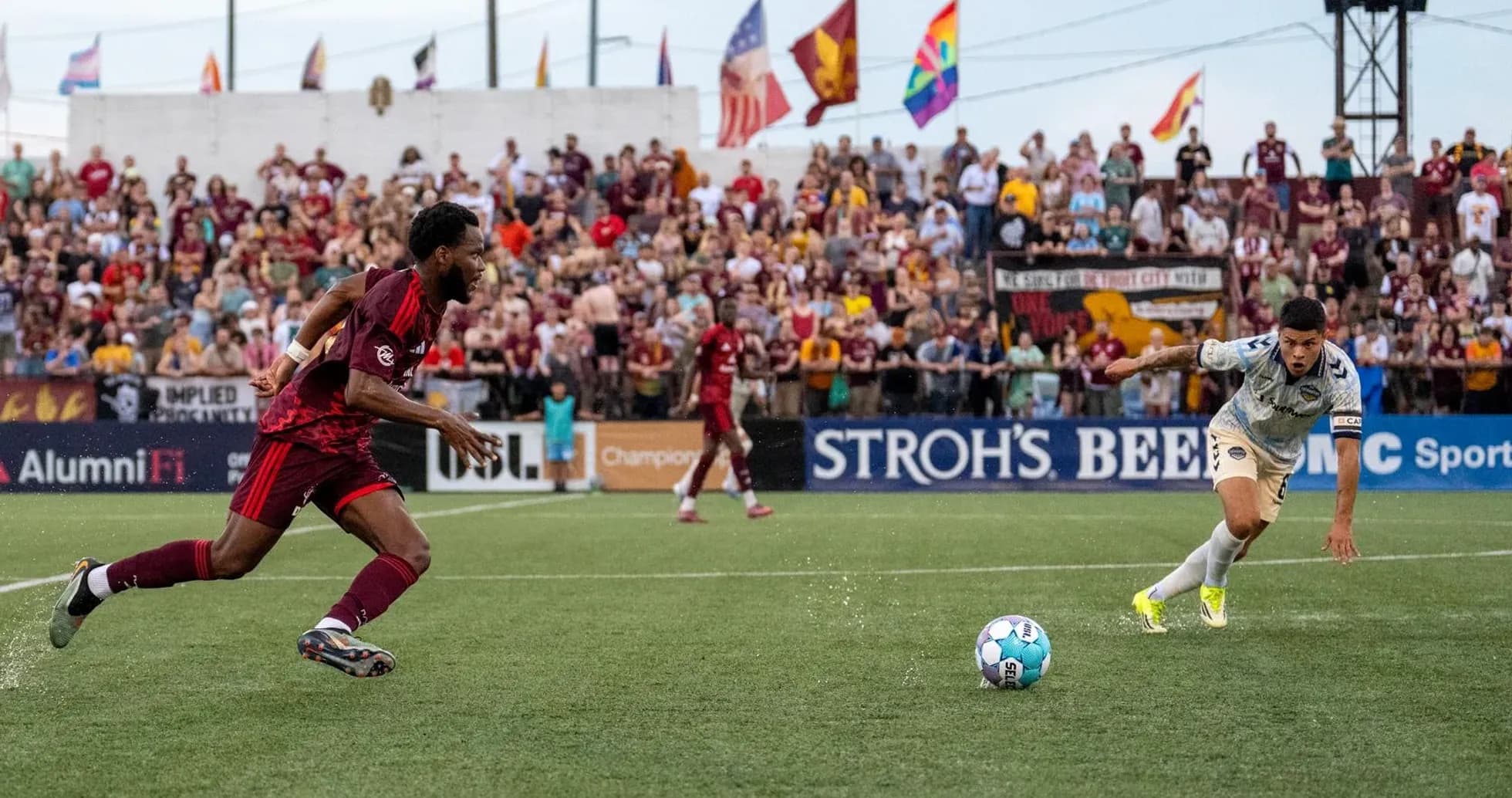
Under the lights at Regal Stadium, One Knoxville and Chattanooga Red Wolves played out a 1-1 draw that stretched through 120 minutes before the hosts finally edged it 5-4 on penalties. In a USL League One Cup group that has offered more questions than clarity, this felt less like a routine group-stage tie and more like an early-season stress test of identity, resilience, and depth.
I. The Big Picture – contrasting trajectories in Group 3
Heading into this game, the standings framed a clear divide. One Knoxville sat 3rd in USL Cup 2026, Group 3 with 4 points and a goal difference of 1, their overall record showing 2 wins, 2 draws and 1 defeat with 10 goals for and 9 against. Chattanooga Red Wolves, by contrast, were 6th with 2 points and a goal difference of -3, still searching for a win after 3 draws and 3 losses overall, scoring 8 and conceding 11.
The season statistics painted Knoxville as a side still calibrating between efficiency and ambition. Overall they had played 3 Cup fixtures, winning 2 and losing 1, with 4 goals scored and 3 conceded. At home, they had played 2, winning 1 and losing 1, scoring 2 and conceding 2. On their travels they had been perfect so far: 1 game, 1 win, 2 goals scored and 1 conceded. The pattern is of a team that is competitive in every game, but not yet capable of shutting matches down; their overall goals for average of 1.3 and goals against average of 1.0 underlines a fine margin approach.
Chattanooga arrived in Knoxville in a very different emotional state. Their form line of LLL in the Cup reflected a side stuck in reverse. Overall they had played 3 fixtures, lost all 3, scored just 2 goals and conceded 5. At home, 2 defeats from 2, with 1 goal for and 3 against; away, 1 defeat, with 1 goal for and 2 against. An overall goals for average of 0.7 against 1.7 conceded told the story of a team that struggles to sustain pressure and pays heavily for defensive lapses.
Yet this match, finishing level in both normal and extra time, suggested Chattanooga’s squad has more resolve than their early numbers imply.
II. Tactical voids and discipline – edge of control
With no official injury or suspension list provided, both coaches, Ian Fuller for One Knoxville and Scott MacKenzie for Chattanooga, appeared to lean heavily on their core groups. The absence of formal formations in the data obscures the exact tactical shapes, but the personnel choices sketch the outlines.
For Knoxville, N. Lemen, wearing 24, anchored the side from the back, with J. Brown and S. McLeod in front of him, and the versatile Bull and D. Williams providing physical presence. The midfield axis of J. J. Murphy and H. Cordova looked built for transitions, while the attacking trident of E. Conway, M. Goling, K. Linhares and the direct threat of B. Diene suggested a side willing to stretch the pitch vertically.
Fuller’s bench options – including the creativity of S. Zarokostas, the presence of D. Krioutchenkov and the energy of N. Rosamilia – gave Knoxville the capacity to change tempo and profile in extra time. In a 120-minute contest that went to penalties, that depth was decisive; [IN] replaced [OUT] rotations would have been about preserving legs as much as shifting tactics.
Chattanooga’s XI, built around R. Jerez in goal, had a spine of C. Engmann and E. Kinzner, flanked by the industrious J. Ramos and the composed Y. Lelin. In midfield, O. Hernandez and A. Kelly-Rosales provided ball progression, with M. Acosta and A. Lombardi linking into the creative P. Hernandez and the focal point M. Bentley.
MacKenzie’s bench was thinner but functional: J. Smith as the reserve goalkeeper, R. Mensah and J. Ayimbila as defensive reinforcements, and G. Mercer as the primary attacking alternative. W. Wessels and T. Adewole added late-game steel.
Disciplinary trends told another story. Knoxville’s yellow-card distribution in the Cup was heavily concentrated late: 50.00% of their yellows between 61-75 minutes and another 50.00% between 91-105 minutes. This is a side that walks the line when fatigue and game-state pressure rise. Chattanooga’s bookings were more evenly spread but peaked between 46-60 minutes with 37.50% of their yellows, and another 25.00% coming between 31-45 and 25.00% between 76-90. They tend to lose composure around half-time and in the closing stages.
In a 120-minute duel, those patterns matter. Knoxville’s risk profile spikes in extra time; Chattanooga’s in the heart of regulation.
III. Key matchups – Hunter vs Shield, and the engine room
Without individual scoring charts, the “Hunter vs Shield” narrative becomes collective. Knoxville’s attack, averaging 1.0 goals at home and 2.0 away in the Cup, ran into a Chattanooga defense conceding 1.5 at home and 2.0 away. The underlying expectation was that Knoxville would create enough to win in 90; the fact they needed penalties suggests Chattanooga’s back line, led by Engmann and Kinzner in front of Jerez, delivered one of their more disciplined displays of the campaign.
Conversely, Chattanooga’s misfiring offense, with only 0.7 goals per game overall, faced a Knoxville defense that concedes 1.0 per match. The Red Wolves did manage to match Knoxville’s output over 120 minutes, hinting at incremental improvement in their final-third cohesion.
In the engine room, Knoxville’s pairing of Murphy and Cordova had to manage Chattanooga’s Kelly-Rosales and Acosta. With Chattanooga’s yellow-card peak between 46-60 minutes, that midfield battle likely intensified after the interval, as the Red Wolves tried to disrupt Knoxville’s rhythm with aggressive pressing and tactical fouls.
IV. Statistical prognosis – what this result really says
Following this result, the numbers still lean towards Knoxville as the more complete Cup side. They maintain a positive overall goal difference, score more than they concede, and have now added the psychological boost of a penalty shootout win. Their lack of clean sheets (0 in total so far) remains a concern, but their ability to navigate tight margins is becoming a defining trait.
Chattanooga, meanwhile, continue to be defined by narrow deficits. Their overall defensive average of 1.7 goals conceded per game is unsustainable for a team that scores only 0.7. Yet pushing Knoxville to penalties away from home, after a run of straight defeats, suggests the Red Wolves are edging toward competitive parity, if not yet control.
In xG terms – even without explicit figures – the structural indicators are clear. Knoxville’s higher scoring rate, more balanced goals against, and capacity to generate chances home and away would have pointed to them creating the better-quality opportunities on the night. Chattanooga’s pattern of conceding in key phases and relying on sporadic attacking moments implies they likely played a lower-xG, more reactive game.
The penalty shootout, won 5-4 by Knoxville, crystallized the difference between the squads: not in talent, but in execution under pressure. Lemen and his shooters held their nerve; Jerez and Chattanooga blinked first.
As the group phase tightens, One Knoxville emerge from Regal Stadium as a side that may not dominate opponents, but increasingly knows how to survive them. Chattanooga leave with another painful lesson, but also with the sense that their squad, as currently constructed, can at least drag better teams into deep water. Whether they can start swimming on their own terms is the next tactical question they must answer.