Pape Gueye's Shocking Departure from Senegal National Team After World Cup Exit
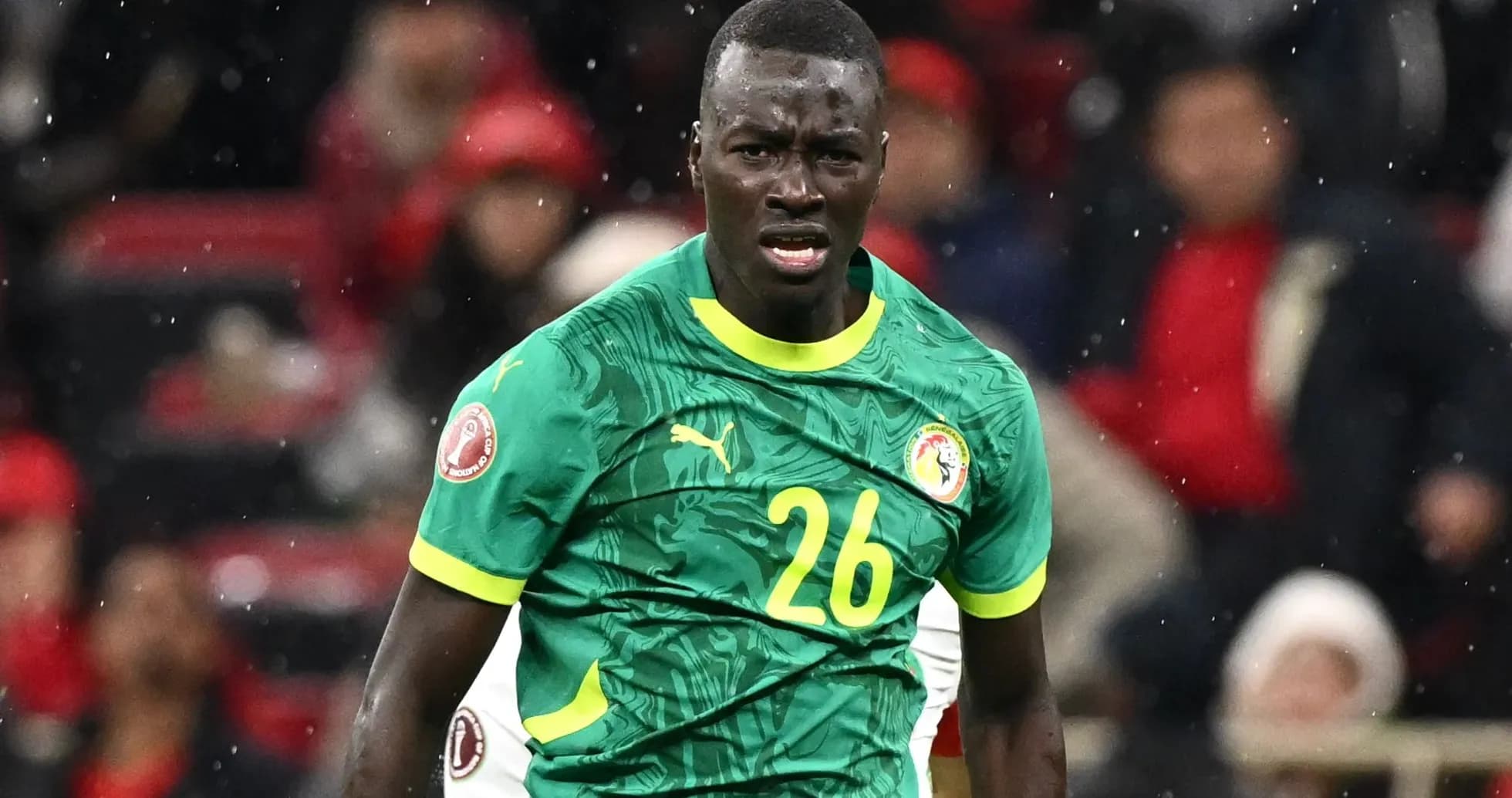
Senegal’s World Cup exit was brutal enough. What followed from Pape Gueye turned it into a full-blown national earthquake.
Hours after the Lions of Teranga threw away a 2-0 lead and crashed out 3-2 to Belgium after extra time, Gueye announced he is stepping away from the national team – and pointed the finger squarely at the current coaching staff.
On his Instagram story, the midfielder wrote: “I’ll be back to give you a few words regarding elimination... but I announce today that as long as it's this technical staff I'll take a break from the selection.”
No ambiguity. No soft landing. A key figure of Senegal’s campaign publicly walking away, with the ink on their World Cup obituary barely dry.
From control to collapse
For an hour, Senegal had one foot in the Round of 16 and a date with the USA. Habib Diarra struck, Ismaila Sarr added another, and Pape Thiaw’s side looked composed, aggressive, and in command.
Then came the moment that will be replayed and dissected for years: Gueye’s substitution.
In the 64th minute, with Senegal 2-0 up and seemingly cruising, Thiaw replaced Gueye with Lamine Camara. On the surface, a like-for-like change in midfield. In reality, it became the turning point of the night – and perhaps of Thiaw’s tenure.
Senegal lost their grip. Belgium sensed weakness.
Romelu Lukaku pulled one back in the final ten minutes. Youri Tielemans struck again to level the match and drag it into extra time. The momentum, once firmly wrapped in green, yellow, and red, swung violently the other way.
The killer blow arrived in the 125th minute. A VAR intervention, a penalty, Tielemans from the spot. 3-2 Belgium. Senegal out. A campaign that had promised so much reduced to disbelief and recrimination.
Thiaw under fire
Thiaw walked into the post-match press conference already under pressure. He left it with even more questions hanging over him.
The central theme: his substitutions. Gueye’s withdrawal, the removal of other key players, and the decision to tinker with a winning side at 2-0 up.
Thiaw defended himself, insisting his hand had been forced by physical issues rather than tactical misjudgment.
“They were tired and couldn’t continue. Leaving them on the field would have been unprofessional on our part. We had to replace them, like for like,” he explained. “Of course, when you lose a match after leading 2-0, people inevitably talk about the substitutes. But you can't reduce everything to that. These changes were primarily dictated by fatigue, more than by tactical considerations.”
The words did little to cool the debate. Gueye’s social media blast only poured fuel on it.
A player who had been central to Senegal’s structure, leadership, and rhythm effectively declared he will not wear the shirt again while Thiaw and his staff remain in charge. For a squad built on unity and collective strength, the fracture is glaring.
A pattern of controversy
This is not Thiaw’s first brush with chaos on the big stage.
He was already a polarising figure after the Africa Cup of Nations final against Morocco, where he ordered his players off the pitch in protest at a refereeing decision. Senegal eventually returned and won the match on the field, but CAF later overturned the result, awarded the victory – and the title – to Morocco, and left Senegal with a hollow sense of what might have been.
That episode painted Thiaw as a coach willing to go to the edge in the name of principle. This World Cup exit, and Gueye’s rebellion in its wake, paint a different picture: a team teetering on the edge of internal fracture.
Reflecting on the loss to Belgium, Thiaw cut a sombre figure.
“We just lost a match that was really important to us. We wanted to qualify for the Senegalese people, we thought we deserved it, but unfortunately, we are eliminated. I am sad, the players are sad too, because they really wanted this qualification.”
Sadness is one thing. Open dissent from a key player is another.
A fault line for Senegal’s future
Senegal now stand at a crossroads. On one side, a coach whose tenure has delivered drama, controversy, and now a World Cup collapse from a position of strength. On the other, a senior international effectively going on strike until that coach and his staff are gone.
The World Cup defeat to Belgium will hurt for a long time. But the real question hangs over what comes next: does the federation back Thiaw and risk losing Gueye for the foreseeable future, or does this rupture force a reset of the technical staff?
For a nation that has grown used to competing at the sharp end of major tournaments, the answer may define the next cycle of Senegalese football.