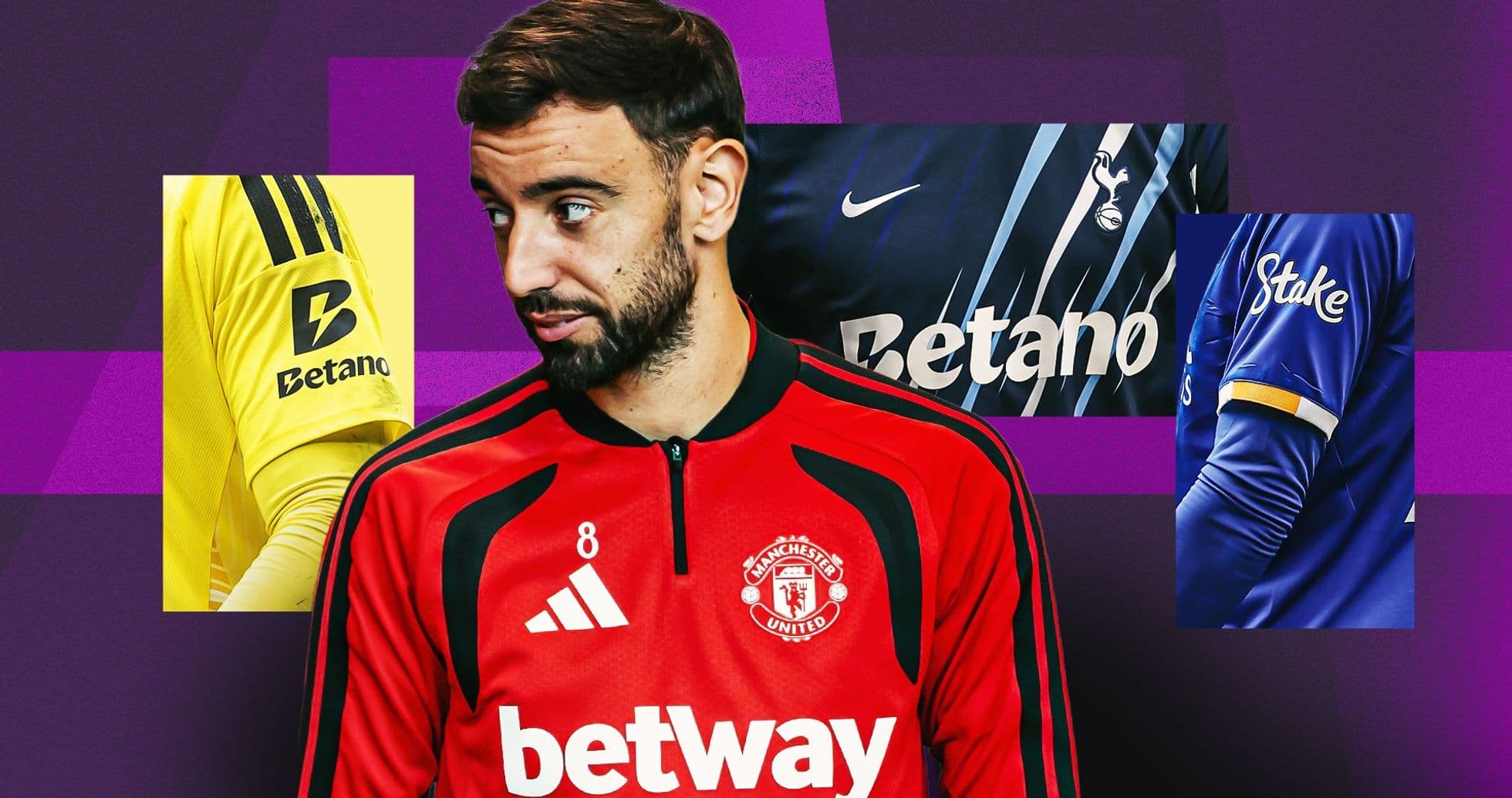
How Premier League Clubs Are Bypassing the Gambling Sponsor Shirt Ban
Gambling Ads Vanish from Front of Shirts but Remain Everywhere Else
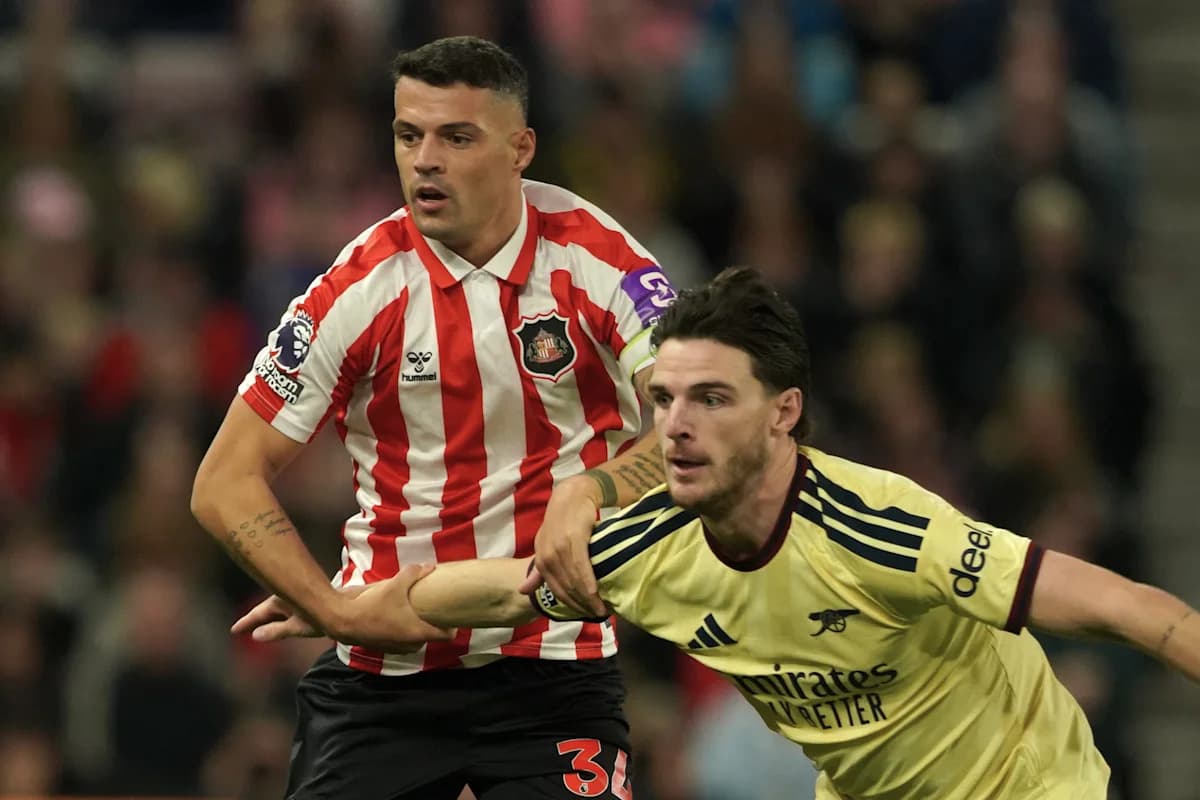
The Premier League has banned betting companies from appearing on the front of matchday shirts starting this season. Yet, clubs like Manchester United and Tottenham Hotspur have quickly found ways around this rule, keeping gambling adverts visible across other parts of their kits and stadiums.
A Partial Ban Agreed by Most Clubs
The decision to stop gambling sponsorship on the front of shirts was agreed over three years ago, but surprisingly, 18 out of the 20 clubs opposed a full ban. The move aimed to reduce gambling advertising following consultations with government bodies and sports organizations, coming into effect in the 2026-27 season.
- 11 of 20 Premier League clubs still had gambling firms as main sponsors in recent seasons.
- These deals were worth a combined estimated £104 million for the 2024-25 period.
Roots of Gambling Sponsorship in Football
The rise began after the 2005 Gambling Act made it easier for betting companies to sponsor football clubs. Tottenham was among the first, signing with Mansion Casino in 2006, followed by clubs like Middlesbrough with 888.
At its peak, in 2019, 28 out of 44 Premier League and Championship clubs displayed betting brands prominently on their kits.
Advertising Still Pervasive Despite Shirt Front Ban
Although betting logos no longer appear on matchday shirt fronts, gambling branding is widespread elsewhere. Fans see them on advertising boards, training kits, pre-match tops, and even TV coverage sponsored by betting companies such as Sky Bet.
Research estimated that a single televised match might show up to 3,500 gambling logos, showing how embedded the industry remains.
"Removing logos from shirts is just a gesture. The real fix would be for the government to ban all gambling ads in football," said Nick Harvey from the Coalition to End Gambling Ads.
Exploiting the Sleeve and Training Kit Loopholes
This season, some clubs have capitalized on a loophole allowing gambling sponsors on sleeves and training gear. Manchester United secured a world-record £20 million-per-year deal with Betway for training kit sponsorship. Tottenham's partnership with Betano covers their training and pre-match wear, while clubs like Everton and Aston Villa shifted gambling sponsors to sleeves.
Social media content featuring training sessions and pre-match preparations means fans, including young ones, regularly encounter gambling brands.
Concerns Over Unlicensed Gambling Sponsorship
The UK government’s Department for Culture, Media and Sport (DCMS) is targeting unlicensed gambling operators sponsoring Premier League clubs. Many deals involve companies not licensed in the UK, such as Stake.com, SBOTOP, and 8XBet, mainly serving the Asian market.
The DCMS warns these unregulated firms lack protections against gambling harm and plans to ban their sponsorships in sport if legislation passes.
"We welcome the ban on front-of-shirt gambling ads but worry that unlicensed operators still promote themselves through sponsorship," a DCMS spokesperson said.
The Big Step Campaign and Personal Stories
The Big Step campaign, led by people affected by gambling harm, has fought to end gambling ads in football for seven years. It highlights the severe consequences, including gambling-related suicides and addiction among young people.
James Grimes, a recovering gambler and campaign founder, lost £100,000 over 12 years and now works in gambling harm prevention. He recalls struggling to watch football due to the volume of gambling ads during his recovery.
"The connection between football and gambling deeply influenced me. The sport promoted something that later hurt my life," Grimes said.
Mixed Feelings on the Loopholes
Grimes criticizes clubs exploiting loopholes, believing football and gambling industries prioritize profit over health. He warns that increased advertising drives more gambling harm, especially among youth.
He urges government action and calls for clubs to remove gambling promotion entirely from all kit elements and social media.
Players’ Struggles with Gambling Addiction
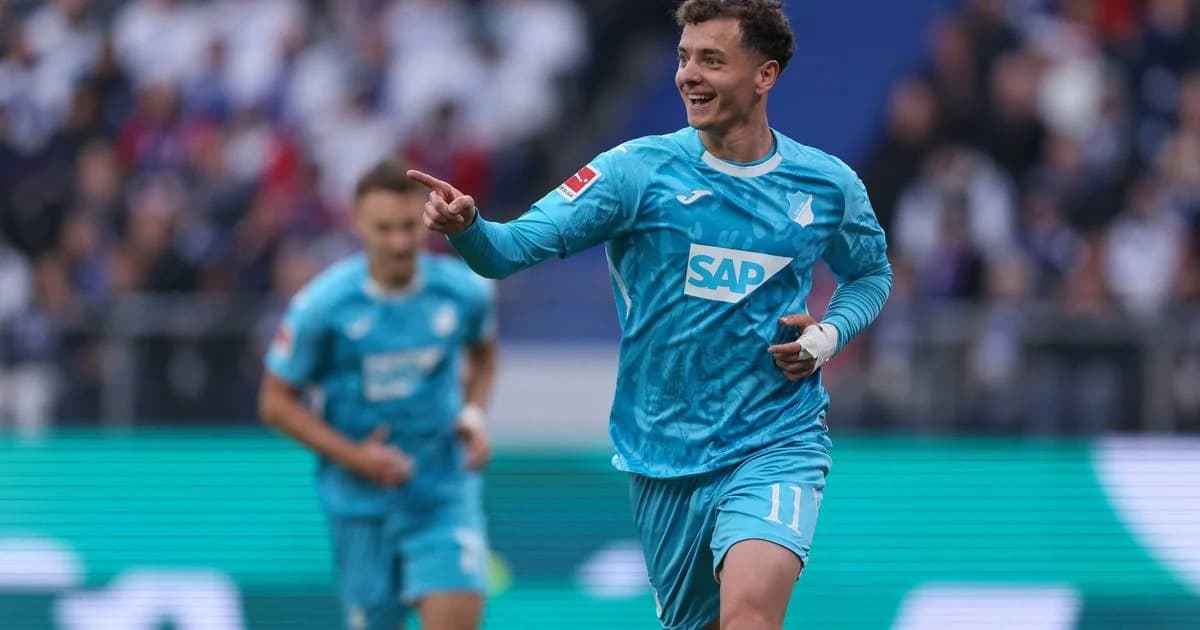
Gambling issues have also affected players. Ivan Toney was banned for eight months due to 232 betting breaches, linked to a gambling addiction diagnosis. Sandro Tonali faced a 10-month ban in Italy and has admitted to his own gambling problems.
Ironically, Tonali’s club, Tottenham, now sports the Betano logo on their training kits, which has drawn criticism from anti-gambling advocates.
"It's contradictory that players who struggled with gambling addiction must wear clothes advertising what harmed them," said Grimes.
The Ban Is Only a Small Step
Despite removing gambling sponsors from front shirts, the overall presence of gambling advertising in football remains high. Grimes sees this as a minor victory but stresses much more work is needed.
He believes football’s leaders are aware of gambling harm yet continue to prioritize revenue over fan wellbeing.
"We got zero front-of-shirt gambling sponsors, but it's just a drop in the ocean compared to the gambling messages everywhere else," Grimes reflected.