Provincial Championships Still Matter in GAA Football
The old ground in Armagh shook last Sunday, and with it the idea that the provincial championships no longer matter.
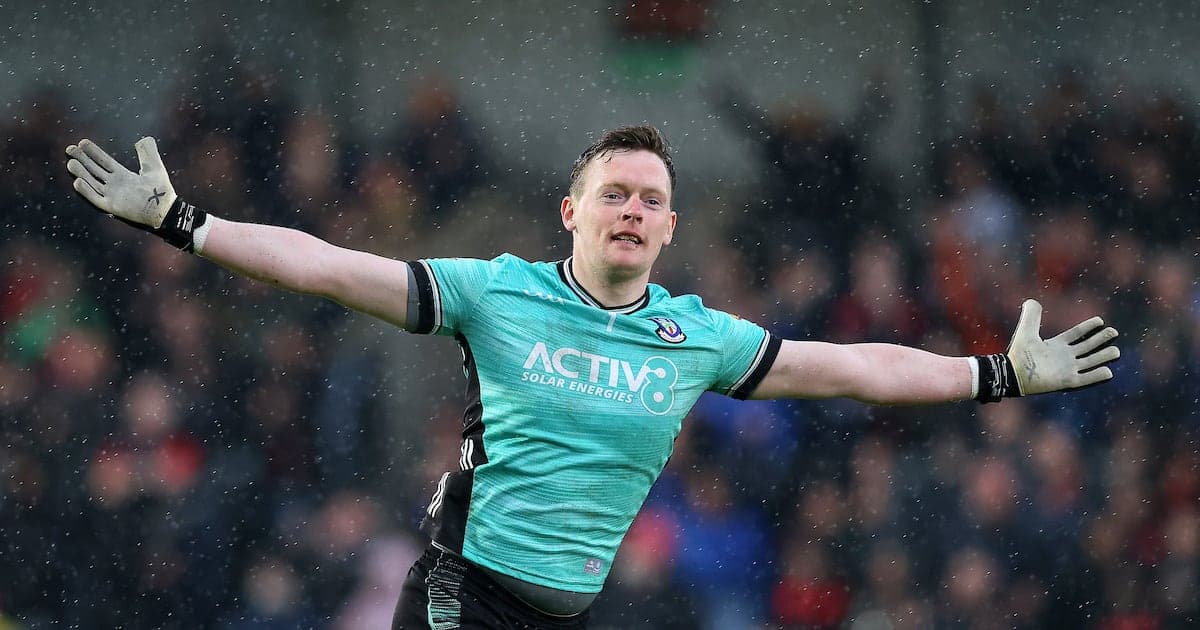
From high in the stand, the Monaghan–Derry Ulster semi-final felt like it was taking years off people. Jack McCarron’s sideline kick. The confusion before it. Rory Beggan’s winner. Those few minutes underlined something the early All-Ireland series draw had briefly obscured: for players and supporters, these days still cut deep.
Most in the Athletic Grounds thought it was over. The clock, the mood, the body language all said Derry. Then came the row over the sideline ball. One point? Two? Free? No free? Ninety-five per cent of the crowd had already moved on in their heads.
Monaghan hadn’t.
They had leaders who refused to accept the first verdict. Beggan went straight to referee Noel Mooney. Davy Garland, who knows the rulebook from doing a bit of refereeing and umpiring himself, joined him. They pressed their case. Mooney listened, thought, and crucially, changed his mind. He didn’t dig in. He didn’t march the game to its “inevitable” conclusion.
That decision gave McCarron his moment. All that waiting. All that noise. Then a strike from the sideline that will live with Monaghan people for a long time. It set up Beggan’s dramatic clincher and delivered one of the wildest finishes you’re likely to see in championship football.
That’s why provincial football still bites. That’s why it still belongs on the calendar.
Provincial pride in a crowded season
This weekend, Munster and Connacht step into the same emotional space. Kerry–Cork in Killarney. Roscommon–Galway in Dr Hyde Park. Two old rivalries, two very different pressures, but the same underlying truth: once you’re this far, nothing feels “secondary”.
The problem is the calendar no longer bends to sentiment. The All-Ireland series draw dropped in the days leading into these finals, an awkward intrusion dictated by a condensed season. In a perfect world, the draw would wait until the provincial trophies were lifted. But that would leave some teams with only five days to plan for their next step, and counties simply can’t operate on that kind of turnaround.
So the draw comes early. The timing jars, but unless the All-Ireland final moves back in the year, this is the trade-off. There are not enough weekends to do everything neatly.
Winning a province no longer brings a golden ticket into the All-Ireland series. Donegal, Mayo, Meath and others have time now to lick wounds, reset, and prepare for the group stages without any fatal damage done. The structure cushions the blow.
Yet for managers like Padraic Joyce, Mark Dowd, Jack O’Connor and John Cleary, that’s all background noise. When you’re in a provincial final, the only real question is: can you finish the job? Win it, and you don’t just lift silverware. You carry a surge of belief into the summer.
Cork’s step up – and Kerry’s response
Killarney will test how far Cork have really come.
Their league campaign finally ended with promotion and a long-awaited return to Division One. That alone changes the tone around them. They’ll arrive at Fitzgerald Stadium expecting to make a statement, not just to make up the numbers. Cork have always had the capacity to produce a big performance on any given day; the problem for the past decade has been stringing those days together.
This spring, they managed it. Now comes the real exam: can they topple a heavyweight like Kerry in their own backyard?
The history is stark. Cork haven’t lifted the Munster title since 2012. They haven’t even been in a final since 2021. Reaching this stage is progress, no question. But Killarney is unforgiving territory, and the champions are rearming at the right time.
Kerry have Diarmuid O’Connor back on the pitch. Paudie Clifford is up and running again. The sting of that league final defeat to Donegal still lingers, and there’s a rematch with Jim McGuinness’s side looming in the All-Ireland series. That memory alone will sharpen minds.
Kerry have turned Munster into their private domain in recent years. Five titles in a row. Power, depth, and a ruthless streak when they sense vulnerability. With key men returning and a point to prove after the league, they look primed to extend that dominance and make it six.
Cork will come with ambition and renewed confidence. The question is whether that’s enough against a Kerry team that rarely shows mercy at home.
Roscommon’s rise and Galway’s questions
If Munster looks like a defence of empire, Connacht feels more precarious for Galway.
Roscommon arrive in Dr Hyde Park as one of the form teams in the country. Their league campaign backed that up, but it was the win over Mayo that really turned heads. They were rampant that day, their forward play sharp and incisive, their work-rate relentless.
Mark Dowd has stamped himself on this team quickly. A straight-talking manager with a deep feel for Roscommon football, he has them doing the basics with intensity: tackling, running, moving the ball at pace. On top of that, he has two forwards playing at a frightening level. Enda Smith and Diarmuid Murtagh can make a case as the top attacking duo in the country so far this year.
If Galway allow them the same freedom they enjoyed against Mayo, Joyce’s side are in serious trouble.
Galway, for their part, feel harder to read. They don’t seem fully sure of their own identity right now. The league did deliver one major positive: Rob Finnerty stepped up as their marquee forward, the go-to man when scores were needed. Oisín Mac Donnacha also impressed and added another edge to their attack.
They will need every bit of that cutting edge in Roscommon. Five Connacht titles in a row is the prize, but this is no lap of honour. This is a form team, on their home patch, with belief and a manager who has stripped away excuses.
Galway must find a way to suffocate Smith and Murtagh, to drag Roscommon into a different type of contest, or they risk being overrun by a side that suddenly looks ready for a bigger stage.
The provincial championships may no longer dictate the All-Ireland road as they once did, but as Armagh proved and this weekend promises again, they still decide something just as important: who carries the season’s pulse into the summer, and who is left chasing it.