Racist Abuse at Hill Dickinson Stadium: Arrest and Response
The noise of a wild 3-3 draw at Hill Dickinson Stadium had barely settled when the night took a darker turn.
What should have been remembered for chaos on the pitch is now defined by what happened in the stands and online.
Arrest after alleged racist abuse of Semenyo
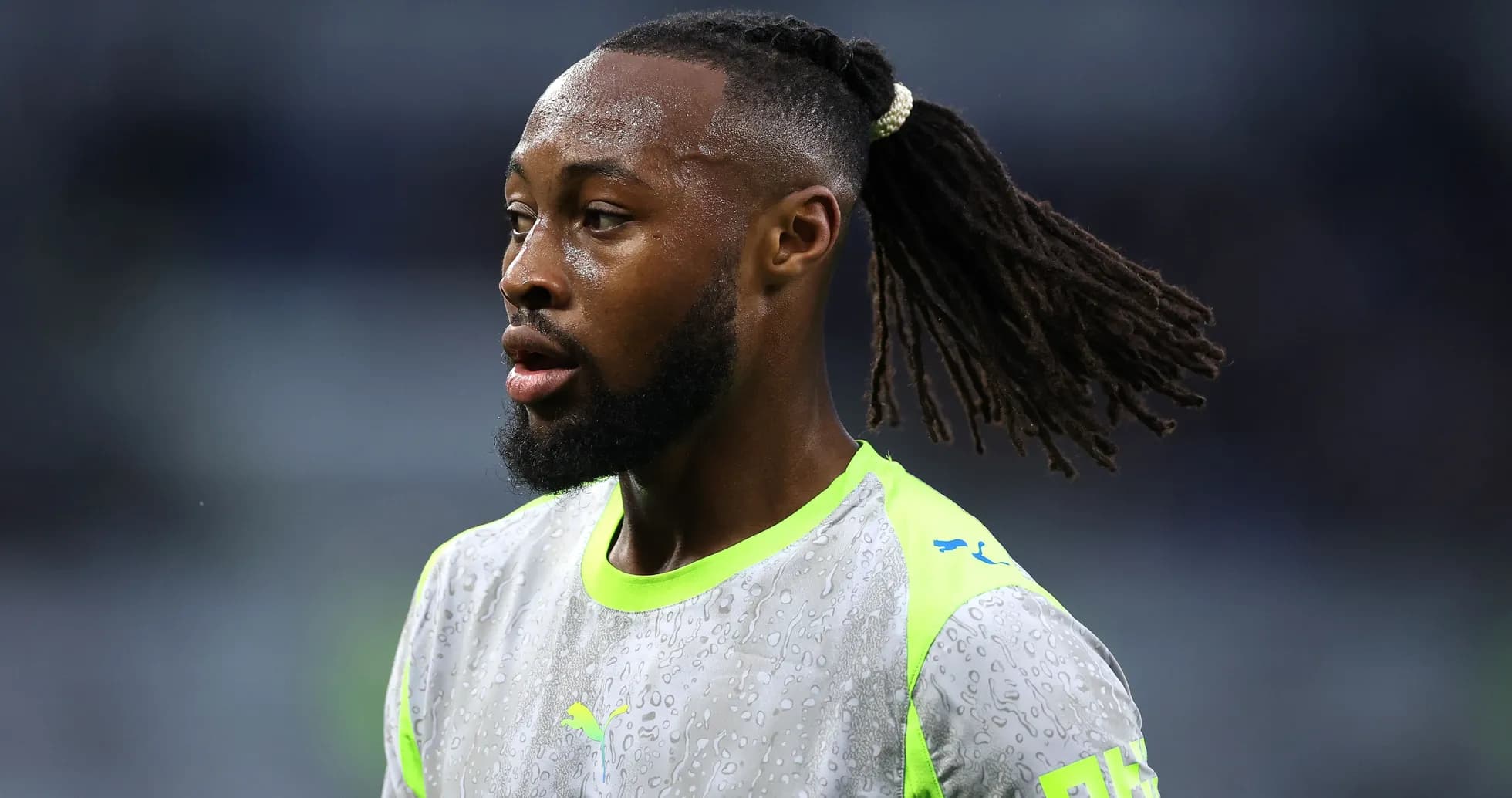
Manchester City and Merseyside Police confirmed that a 71-year-old man from Nottinghamshire has been arrested on suspicion of a racially aggravated public order offence, after Antoine Semenyo was allegedly subjected to racist abuse during Monday’s fixture.
Supporters and stewards inside the ground reported that racist language was shouted at Semenyo, triggering an immediate investigation. The man was later detained and has since been released on bail under strict conditions.
Those conditions are stark. He is banned from going within one mile of any designated sports stadium for up to four hours before and after matches while inquiries continue.
City did not hold back in their response, backing the speed of the operation. The club said they “welcome the swift action taken by Everton and the police to identify the individual responsible.”
The message was clear: this would not be treated as an isolated outburst or brushed aside as background noise.
Guéhi targeted online after late error
The abuse did not stop at the final whistle.
As the adrenaline of a frantic second half faded, Marc Guéhi found himself at the centre of a different storm. The defender’s mistake, which opened the door for Everton to score during a breathless spell, became the trigger for a torrent of racist messages on social media.
The club’s anger was unmistakable. In a statement, they said: “We are also incredibly disappointed to hear that Marc Guéhi was subject to a series of vile racist social media posts last night.”
A game that had swung back and forth, ending 3-3, was suddenly reduced to a grim footnote beneath the weight of what followed.
The football stopped. The abuse did not.
City’s zero-tolerance stance
Faced with two separate but connected flashpoints, Manchester City moved quickly to restate their position. The reigning champions underlined what they describe as an “absolute zero-tolerance policy” towards any form of prejudice.
Their official release left no room for ambiguity: “Manchester City strongly condemns the racist abuse directed towards Antoine Semenyo at yesterday’s match.”
This was not framed as a disciplinary matter or a PR exercise. It was presented as a line in the sand.
The club also stressed that the impact of such incidents stretches far beyond a single night or a single fixture. They pledged “comprehensive care and resources” to help both players deal with the aftermath of being targeted so publicly.
The statement ended with a firm commitment: “We will continue to offer our full support to both Antoine and Marc and never accept discrimination of any kind in our game.”
The match delivered drama. The reaction demanded something more important: a reminder that football’s fight is no longer just about results, but about what the sport is willing to tolerate in its own arenas and on its own screens.