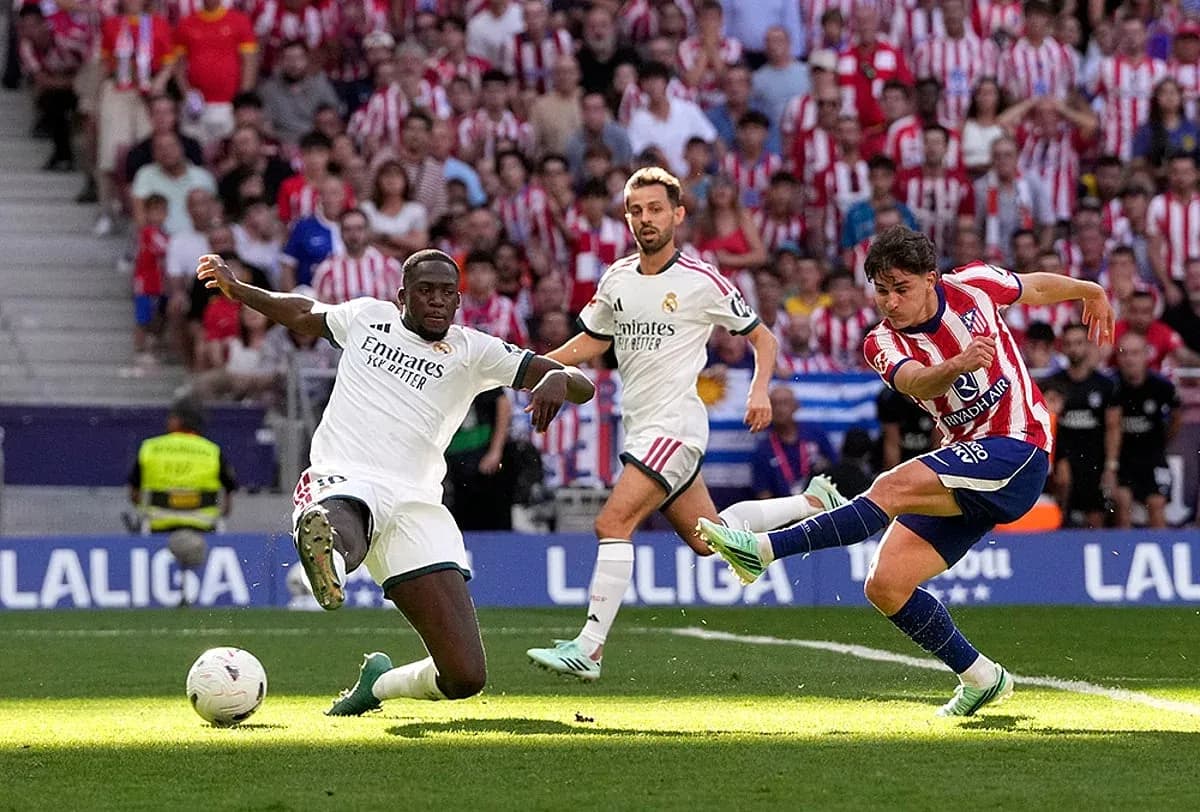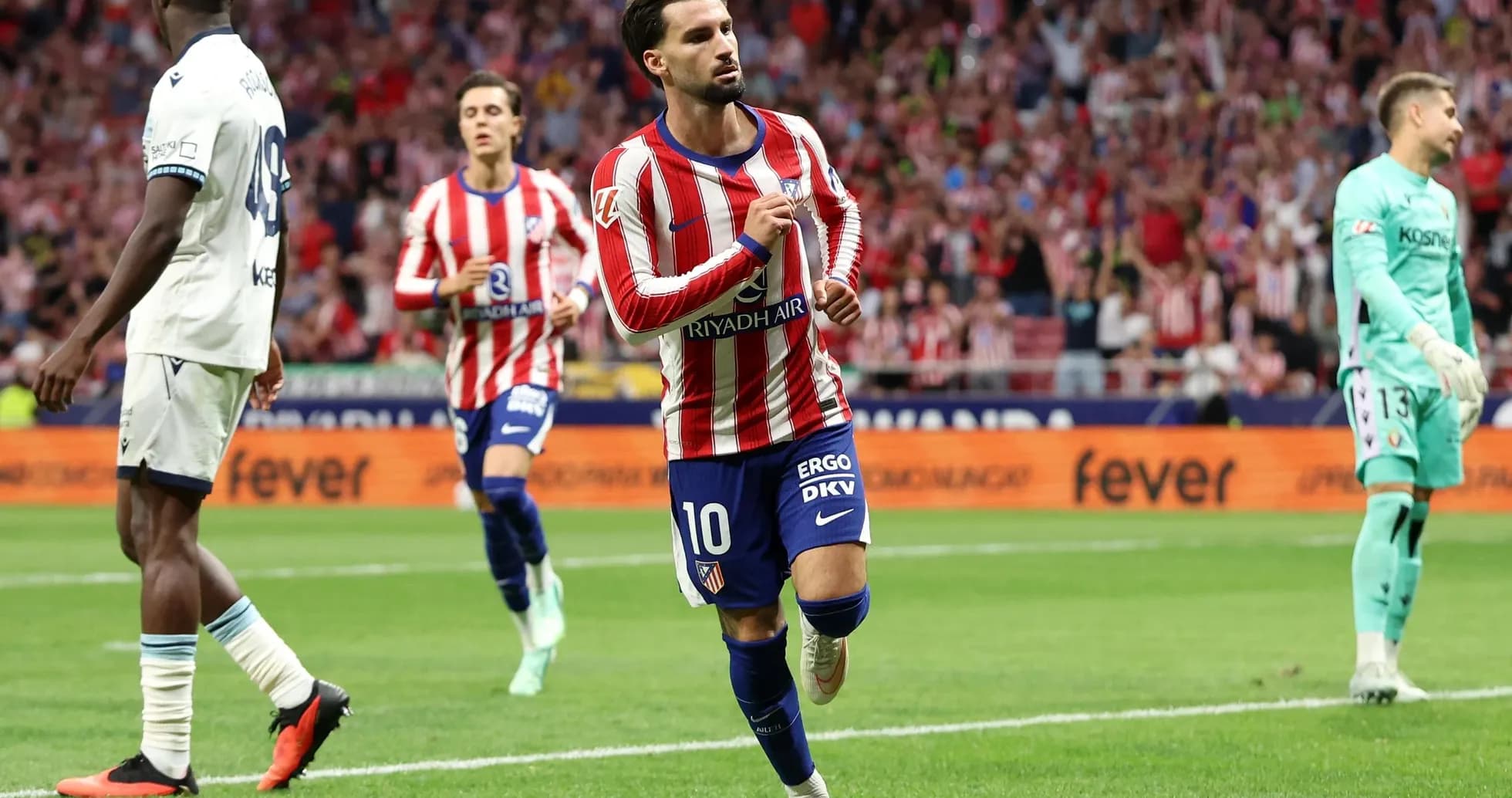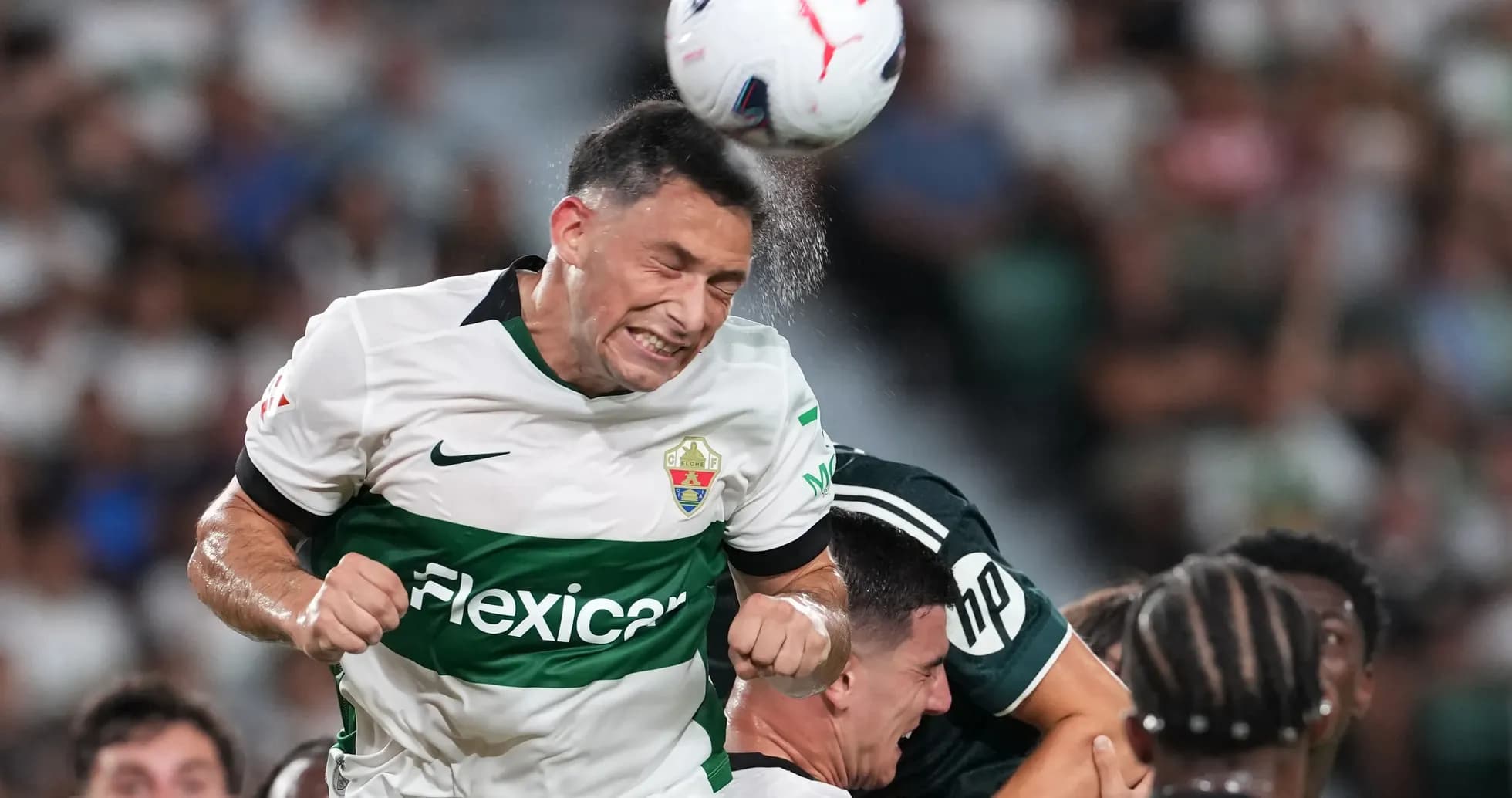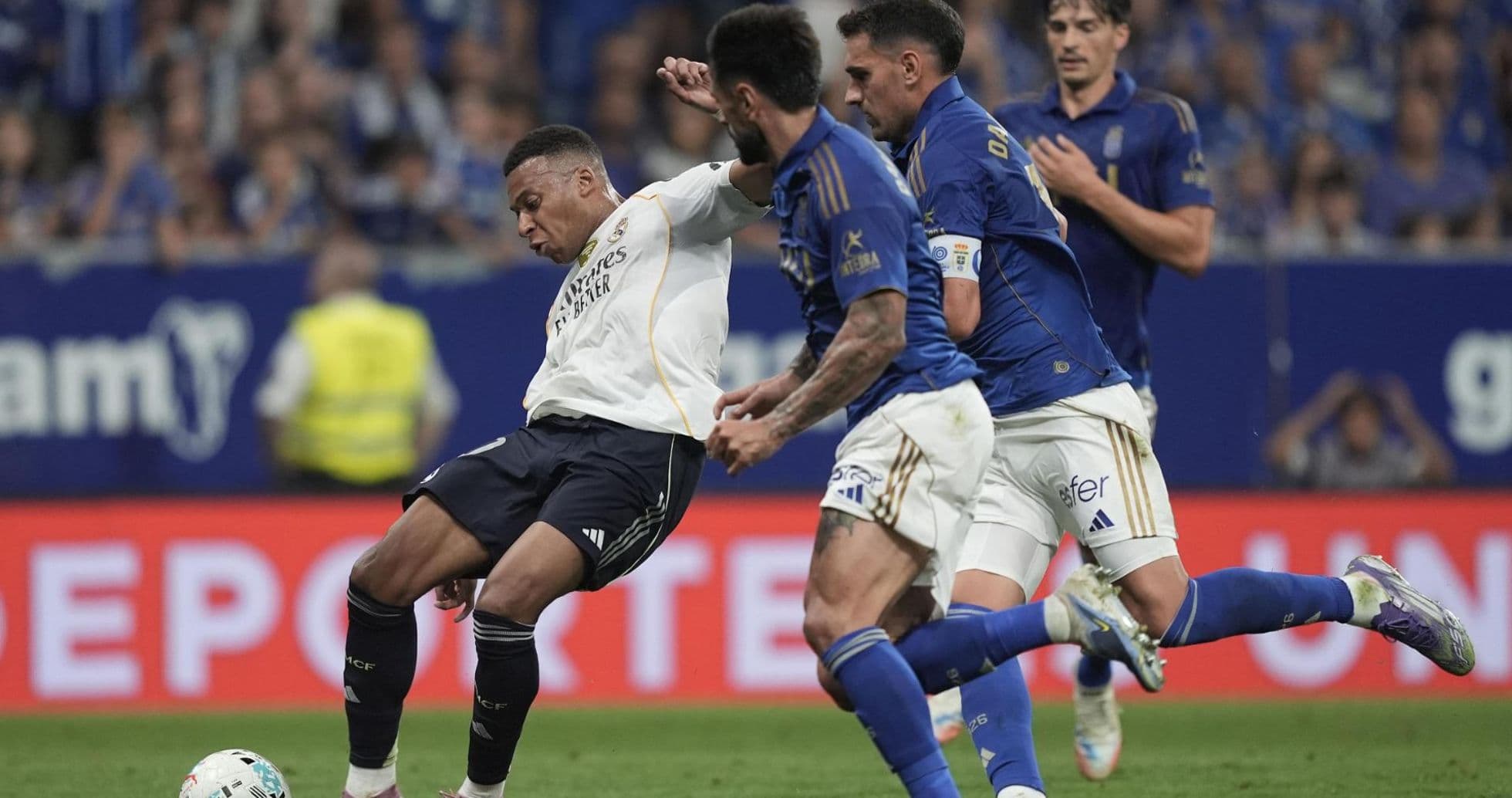
Real Madrid's Dominance Confirmed in 2-0 Victory Over Oviedo
Under the Bernabéu lights, Real Madrid’s 2–0 win over Oviedo felt less like a routine home victory and more like a quiet confirmation of the season’s hierarchy. Heading into this game, the numbers already framed it as a meeting of opposites: Real Madrid, 2nd in La Liga on 80 points with a towering overall goal difference of 39 (72 scored, 33 conceded), against bottom‑placed Oviedo, 20th on 29 points and burdened by an overall goal difference of -30 (26 for, 56 against). The final score simply aligned the night with the season’s logic.
I. The Big Picture – Structures and Season DNA
The tactical board told its own story before a ball was kicked. Real Madrid lined up in a 4‑4‑2, a shape that has become their most-used structure this season (17 league matches in this formation), with T. Courtois behind a back four of T. Alexander-Arnold, R. Asencio, D. Alaba and A. Carreras. Across midfield, F. Mastantuono, E. Camavinga, A. Tchouameni and B. Diaz formed a fluid band, supporting a front two of G. Garcia and Vinicius Junior.
This was a structure tailored to their home profile. At the Bernabéu this season, Madrid have been ruthless: 15 wins from 18, just 1 draw and 2 defeats. They have scored 41 goals at home, an average of 2.3 per game, and conceded only 14, an average of 0.8. It is the statistical fingerprint of a side that dominates territory, presses high, and trusts its centre-backs to defend large spaces.
Oviedo arrived with a 4‑3‑3 under Guillermo Almada Alves Jorge, but beneath that symmetry lay fragility. On their travels, they had played 18 times, winning just 2, drawing 4 and losing 12. They had scored 17 away goals (0.9 per game) and conceded 39 (2.2 per game). Their overall season line – 6 wins, 11 draws, 19 defeats, with only 26 goals scored and 56 conceded – marked them as a side forced to survive in low blocks, often starved of attacking volume.
II. Tactical Voids – Absences and Discipline
Both squads were reshaped by absences. For Real Madrid, the list was unusually long: D. Ceballos (coach’s decision), Eder Militao (muscle injury), A. Guler (muscle injury), D. Huijsen (lacking match fitness), A. Lunin (illness), F. Mendy (muscle injury), Rodrygo (knee injury) and F. Valverde (head injury) all missed out. That stripped Carlo Ancelotti’s group of two of La Liga’s leading creators in A. Guler (9 assists this season) and F. Valverde (8 assists), plus Rodrygo’s vertical threat and Mendy’s defensive security on the left.
Yet the depth was obvious. K. Mbappe, La Liga’s top scorer with 24 goals and 5 assists in 29 appearances, began on the bench but loomed as the ultimate in‑game weapon. Vinicius Junior, with 15 league goals and 5 assists, carried the primary attacking burden from the start, supported by the energy of Mastantuono and the control of Camavinga and Tchouameni.
Oviedo’s absences cut closer to the bone. L. Dendoncker, B. Domingues and O. Ejaria were all out injured, while J. Lopez and K. Sibo were suspended after red cards. For a squad already stretched, losing two players to disciplinary issues underlined a season‑long tension: their red‑card profile is spiky, with dismissals often arriving in the 46–90 minute window, where 70.00% of their reds cluster (2 between 46–60, 1 between 61–75, 4 between 76–90). It is a team that frequently ends matches under emotional and numerical strain.
Madrid’s own card distribution paints a different picture. Their yellow cards peak between 61–75 minutes at 22.06%, a sign of tactical fouling and game management rather than chaos, while their reds are spread but often late (28.57% between 91–105 minutes). At home, they manage risk without losing control.
III. Key Matchups – Hunter vs Shield, Engine Room vs Enforcer
Even starting from the bench, the spectre of K. Mbappe shaped Oviedo’s defensive choices. The Frenchman’s 102 total shots and 61 on target this season, alongside 8 penalties scored but 1 missed, make him the league’s most relentless finisher. Facing a defence that concedes 2.2 goals per away game and has already suffered a 4‑0 away defeat at its worst, his mere presence narrowed Oviedo’s defensive block and forced deeper lines.
On the pitch from the first whistle, Vinicius Junior became the primary “Hunter”. With 73 shots (45 on target), 15 goals, and 81 fouls drawn, he tests both the physical and disciplinary limits of defenders. Against an Oviedo back four led by E. Bailly and D. Costas, and full-backs N. Vidal and R. Alhassane, his duel was as much psychological as tactical. Oviedo’s leading forward F. Vinas, who also tops the league’s red‑card chart with 2 reds and 1 yellow‑red, embodies their edge; but here, he was forced to spend long stretches chasing shadows as Madrid monopolised the ball.
The “Engine Room” battle centred on Madrid’s double pivot of Camavinga and Tchouameni against Oviedo’s N. Fonseca, S. Colombatto and A. Reina. Madrid’s season numbers – an overall average of 2.0 goals scored per match and only 0.9 conceded – are built on this midfield’s capacity to compress space and recycle possession. Oviedo’s overall attacking average of 0.7 goals per game, combined with 19 matches where they have failed to score, meant that if Madrid’s midfield suffocated transitions, the visitors’ 4‑3‑3 risked becoming a flat 4‑5‑1.
IV. Statistical Prognosis – xG Logic and Defensive Solidity
We do not have explicit xG figures, but the season’s statistical shape points clearly. A home side that averages 2.3 goals scored and 0.8 conceded at the Bernabéu against an away side that averages 0.9 scored and 2.2 conceded on their travels naturally projects a tilted expected‑goals landscape. Madrid’s 13 clean sheets overall, against an Oviedo side that has failed to score in 19 league games, suggested that a home clean sheet was more likely than not – a prediction borne out by the 2–0 final.
Following this result, the narrative is consistent with the underlying data: Real Madrid’s defensive solidity, even with absentees, remained intact; their attacking depth ensured that, whether through Vinicius’ directness or Mbappe’s inevitable involvement, chances would be generated in volume. Oviedo, courageous in shape but brittle in structure, once again found that their season‑long numbers are not an abstract warning but a lived reality against the league’s elite.