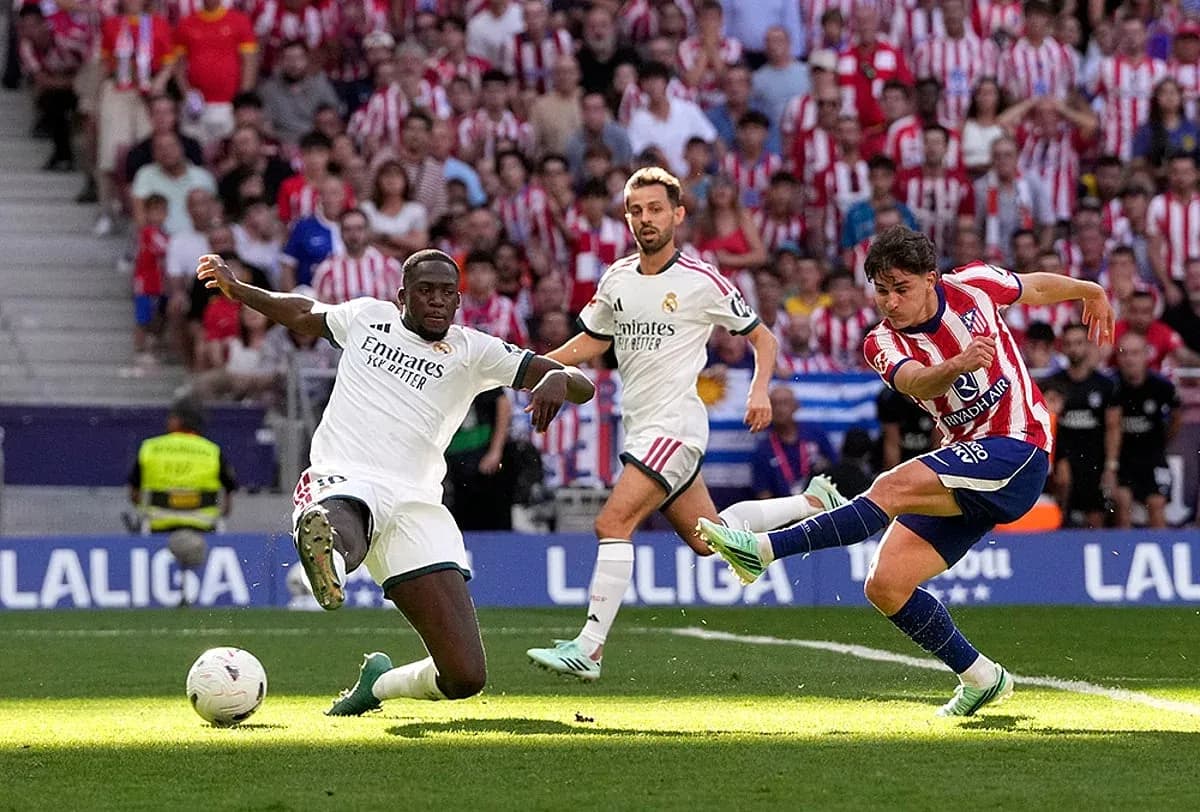
Real Madrid vs Oviedo: Clash of Seasons in La Liga
Estadio Santiago Bernabéu stages a clash of contrasting seasons on 14 May 2026, as title-chasing Real Madrid host bottom‑placed Oviedo in La Liga’s Round 36. With Madrid sitting 2nd on 77 points and Oviedo 20th on 29, the stakes are stark: the hosts are still pushing to lock in a Champions League league-phase spot and keep pressure on the summit, while the visitors are fighting to avoid an immediate drop to LaLiga2.
Context and form
In the league, Real Madrid’s campaign has been built on relentless consistency. They have 24 wins from 35 matches, with a goal difference of +37 (70 scored, 33 conceded). At the Bernabéu they have been formidable: 14 wins from 17 home games, with 39 goals scored and only 14 conceded. Their recent league form reads “LWDWD”, a small wobble by their own standards but still points-gathering.
Oviedo arrive in Madrid rooted to the bottom. They have 29 points from 35 matches, just 6 wins all season and a goal difference of -28 (26 for, 54 against). Their form line of “DLLDW” hints at some resilience, but the broader picture is brutal: 18 league defeats, including 11 away losses in 17 trips, with 37 goals conceded on the road.
Across all phases, Real Madrid’s form string is even more imposing: long winning streaks (an eight‑game winning run at one point), only 6 defeats in 35, and 12 clean sheets. Oviedo’s season-long pattern is one of short-lived upticks followed by prolonged struggles, with a longest winning streak of just two and 18 games in which they have failed to score.
Tactical landscape: styles and shapes
The data suggests a clear stylistic contrast.
Real Madrid have alternated between a 4‑4‑2 base (16 matches), 4‑2‑3‑1 (9) and 4‑3‑3 (6), with occasional experiments in back‑three systems. The common thread is flexibility in attack and a high scoring output: an average of 2.3 goals per home game and 2.0 overall in the league. Defensively, they concede just 0.8 goals per home game.
Oviedo are more rigid, with 4‑2‑3‑1 used in 24 matches, supplemented by occasional 4‑3‑3 and 4‑4‑2. Away from home they average 1.0 goal scored and 2.2 conceded, underlining a side that struggles to control matches and often absorbs pressure.
Madrid’s attacking structure is likely to pin Oviedo deep. With two elite wide forwards and a high technical level between the lines, the hosts are built to stretch low blocks. Oviedo’s 4‑2‑3‑1, if retained, will depend heavily on the double pivot screening central areas and the wide players tracking back to support their full-backs.
Key players and attacking threat
Kylian Mbappé is the headline figure in this fixture. The Real Madrid forward leads the La Liga scoring charts in 2025 with 24 goals and 4 assists in 28 appearances, averaging 7.6 in performance rating. He has taken 100 shots (61 on target), created 63 key passes and completed 76 successful dribbles from 140 attempts. His penalty record this season is 8 scored and 1 missed; he has also won 4 penalties. Whether he starts is conditioned by his “Questionable” status with a muscle injury, but even off the bench he represents a decisive weapon.
Alongside him, Vinícius Júnior has produced 15 goals and 5 assists in 34 league games, with a 7.52 rating. He has attempted 189 dribbles, succeeding in 86, and drawn 80 fouls – a nightmare profile for any full‑back, especially for an Oviedo defence that has already shipped 37 goals away from home. He has scored 4 penalties and missed 1.
Real Madrid’s penalty unit as a whole has been flawless this season: 12 penalties taken, 12 scored, a 100% record. That, combined with the dribbling and one‑v‑one threat of Mbappé and Vinícius, increases the risk for an Oviedo back line that already picks up a high volume of yellow and red cards.
For Oviedo, there is no equivalent individual star in the data provided, and they arrive weakened by absences in key areas. Their attacking numbers underline the collective challenge: just 26 goals in 35 matches, with 18 games in which they have failed to score. Their biggest away win is 0‑3, but more telling is their heaviest away defeat, 4‑0, which illustrates how quickly things can unravel against top opposition.
Injuries, suspensions and selection puzzles
Real Madrid’s squad depth will be tested. Confirmed out are:
- D. Ceballos (coach’s decision)
- Eder Militao (muscle injury)
- A. Guler (muscle injury)
- F. Mendy (muscle injury)
- Rodrygo (knee injury)
- F. Valverde (head injury)
Questionable:
- D. Carvajal (toe injury)
- D. Huijsen (illness)
- K. Mbappé (muscle injury)
The absence of Militao and Mendy affects defensive options and left‑back balance, while Valverde’s dynamism in midfield and Rodrygo’s versatility in the front line are also missing. Depending on Mbappé’s fitness, Madrid may lean more heavily on Vinícius and other forwards to carry the scoring load, potentially favouring a 4‑2‑3‑1 with one central striker and wide support.
Oviedo are also stretched:
- Out: B. Domingues (knee injury), J. Lopez (red card), K. Sibo (red card)
- Questionable: E. Bailly (injury), L. Dendoncker (injury)
Losing Lopez and Sibo to suspension restricts defensive and midfield rotation, while Domingues’ absence reduces options further. If Bailly and Dendoncker do not make it, Oviedo could be forced into a makeshift defensive unit at precisely the wrong venue.
Head-to-head snapshot
The recent competitive head‑to‑head sample in the data is small but emphatic. The only listed league meeting is from 24 August 2025 at Estadio Nuevo Carlos Tartiere, where Oviedo lost 0‑3 at home to Real Madrid in La Liga’s Regular Season – 2 round. That result underlines the gulf between the sides: Madrid scored three without reply away, and now return to the Bernabéu with even more favourable conditions.
Defensive resilience and discipline
Madrid’s defensive record at home (14 conceded in 17) is underpinned by 5 home clean sheets and 12 overall. They have failed to score in just 4 league games across all phases, reinforcing the idea that they almost always find a way to break through.
Oviedo, by contrast, have kept only 1 away clean sheet and 10 overall, and have failed to score in 18 matches. Their card profile shows a tendency to pick up yellows throughout the middle and later phases of games, and multiple red cards over the season. Against the pace and trickery of Madrid’s frontline, discipline will be critical; any early bookings for full‑backs or holding midfielders could tilt the contest further.
The verdict
All the available data points to a one‑sided fixture on paper. Real Madrid are elite at home, averaging 2.3 goals scored and 0.8 conceded per game at the Bernabéu, with a deep attacking arsenal and the league’s standout scorer in Mbappé, supported by Vinícius. Even with a significant injury list, their squad depth and tactical flexibility give them multiple routes to goal.
Oviedo arrive bottom of the table, with the worst goal difference in the league and a fragile away record: 2 wins, 4 draws, 11 defeats, 17 scored and 37 conceded. Missing and doubtful defenders and midfielders further complicate their task. Their best hope lies in a compact 4‑2‑3‑1, aggressive defending in their own box, and trying to exploit any complacency or rotation from the hosts.
Given the numbers, the most logical expectation is a dominant Real Madrid performance and a home win, likely by more than one goal, with Oviedo needing an exceptional defensive display – and perhaps some fortune – to escape the Bernabéu with anything.