Spain vs Argentina: 2026 World Cup Final Tactical Preview
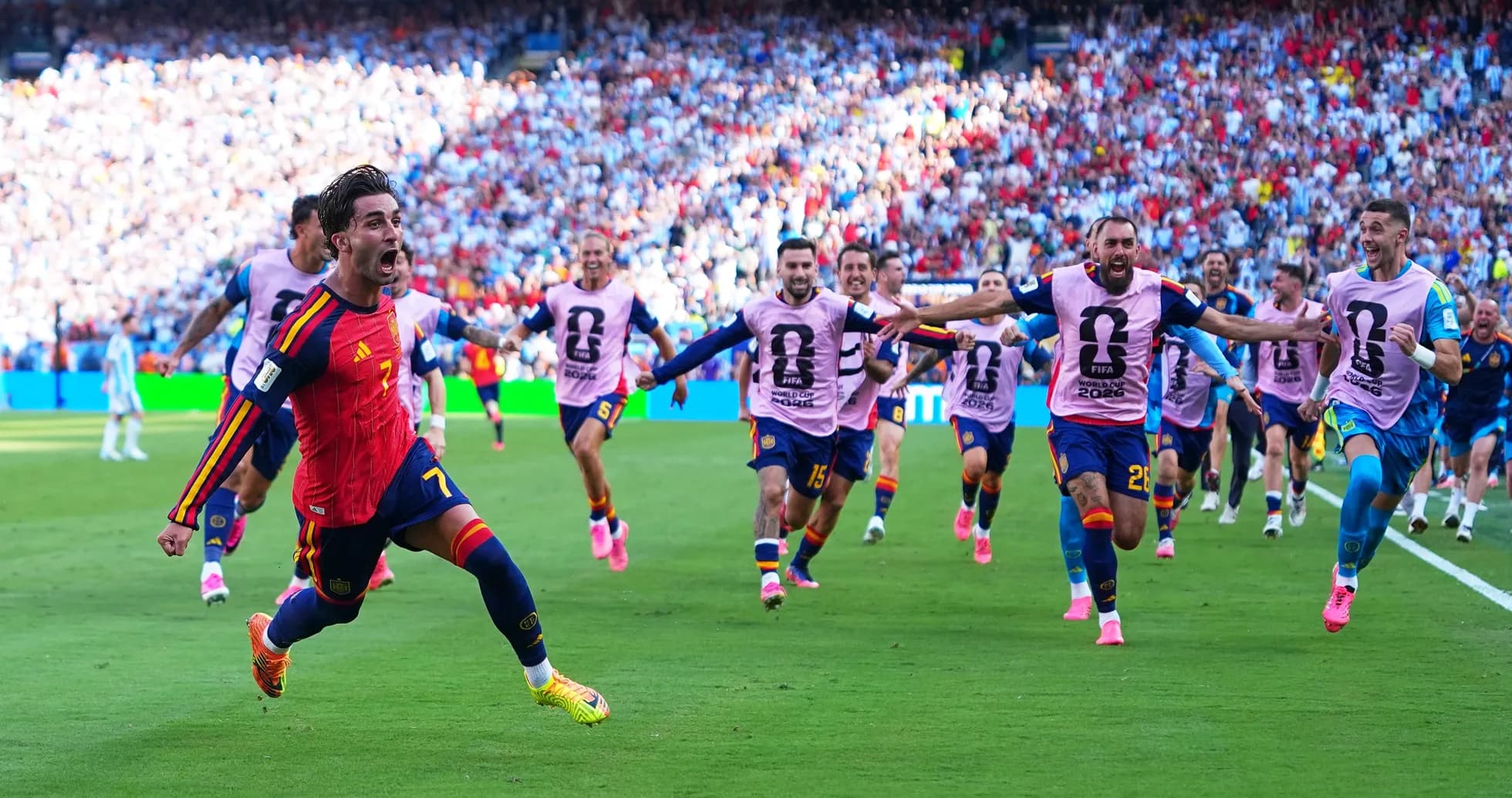
Spain and Argentina meet in the 2026 World Cup Final, a pinnacle fixture where every action will be judged through the lens of legacy: Spain arrive as Group H winners with 7 points and no goals conceded in the group stage, while Argentina swept Group J with a perfect 9 points and the joint-strongest attack, making this not just a title decider but a clash between the tournament’s most balanced defence and its most explosive offence.
Head-to-Head Tactical Summary
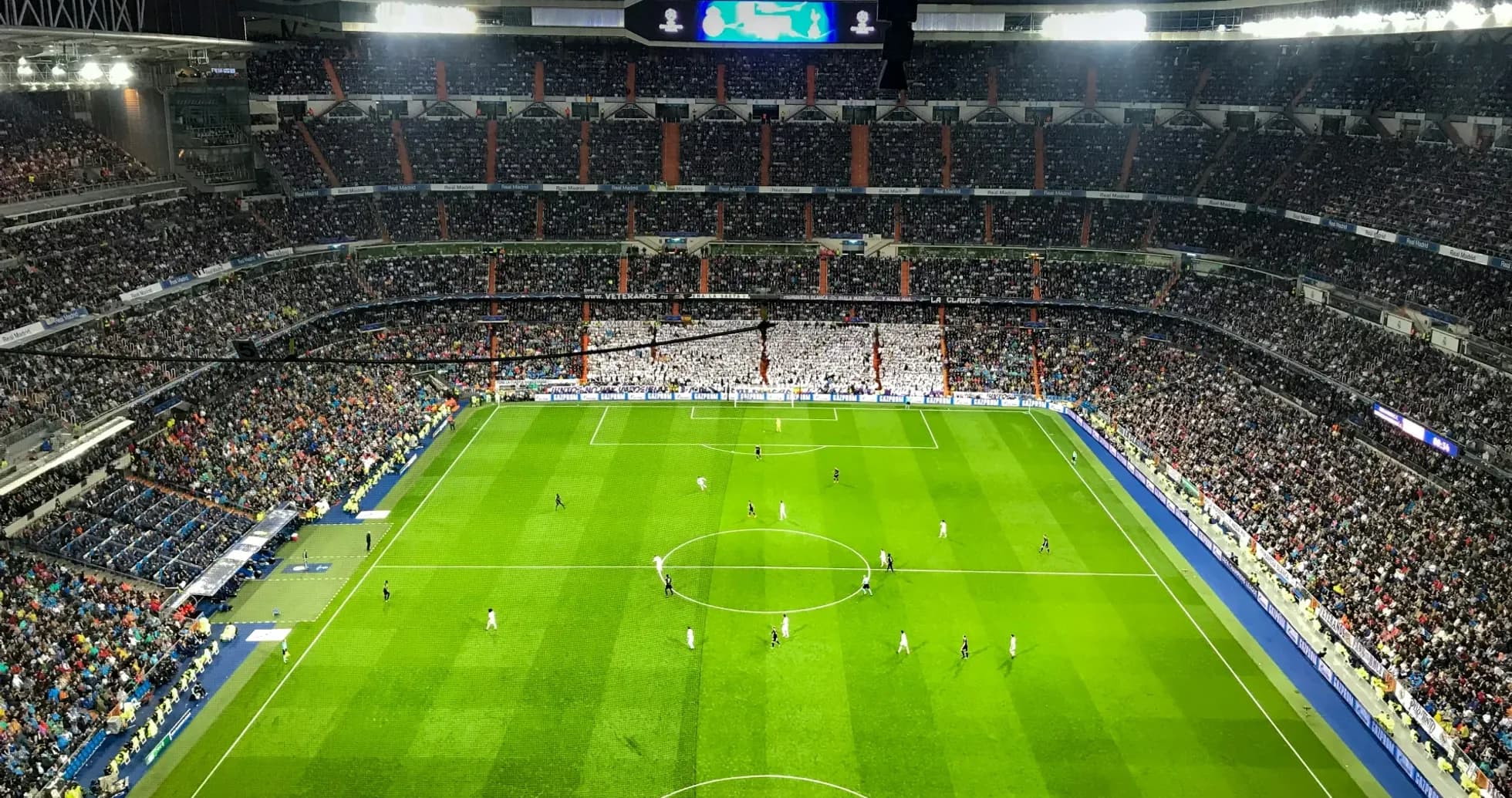
The recent head-to-head history between these two is sparse but striking. Their last completed meeting was on 27 March 2018 in Madrid in a friendly at Estadio Wanda Metropolitano, where Spain, as the home side, beat Argentina 6–1, leading 2–1 at half-time before running away with the game. A more recent scheduled meeting, the CONMEBOL – UEFA Finalissima on 27 March 2026 with Spain again listed as hosts, was cancelled and never played, so it offers no tactical evidence. In practical terms, the only firm reference point is that 2018 friendly, where Spain’s high-tempo attacking structure and finishing ruthlessly exposed Argentina, but that result now sits eight years in the past and both squads and tactical identities have evolved significantly.
Global Season Picture
- League Phase Performance: In the group stage, Spain topped Group H with 7 points from 3 matches, scoring 5 goals and conceding 0, underlining a defence that has yet to be breached while maintaining a steady attacking output. Argentina dominated Group J with 9 points from 3 matches, scoring 8 and conceding 1, pairing the most prolific attack of the two finalists with a defence that has been largely solid but not entirely flawless.
- Season Metrics: Across all competitions in this World Cup cycle, Spain have played 7 matches, winning 6 and drawing 1, with 13 goals scored and only 1 conceded, averaging roughly 1.9 goals for and 0.1 against per game, and keeping 6 clean sheets. Their preferred structures lean towards a 4-1-2-3 and 4-3-3, reflecting a possession-heavy, pressing style that limits opposition chances and reduces defensive exposure, as seen in the extremely low goals conceded. Disciplinary data shows yellow cards clustering late in games, particularly from the 31st minute onwards and into added time, suggesting an aggressive press that can become more desperate as intensity peaks. Argentina have also played 7 matches in this period and have won all of them, scoring 19 goals and conceding 7, averaging 2.7 scored and 1 conceded per match. Their most common setups, 4-4-2 and 4-1-3-2, support a direct, vertically oriented attack with numbers in advanced zones, which increases their scoring output but also exposes them to transitions, reflected in a goals-against rate ten times higher than Spain’s. They have yet to fail to score in any of these matches, underlining a consistent attacking threat, but have far fewer clean sheets, indicating more open, end-to-end contests.
- Form Trajectory: In the group stage, both sides showed perfect momentum: Spain’s form string of “WWWWW” indicates five consecutive wins leading into and including the group phase, while Argentina’s identical “WWWWW” reflects an unbroken winning run with no recent setbacks. Spain’s broader tournament form, “DWWWWWW”, shows one early draw followed by six straight victories, suggesting a team that tightened up quickly and has since been relentlessly efficient. Argentina’s “WWWWWWW” across this period signals maximum points and a psychological edge built on repeatedly finding ways to win, even when conceding.
Tactical Efficiency
Spain’s tactical efficiency is defined by extreme defensive control and structured attacking. Conceding just 1 goal in 7 matches while maintaining an average close to 2 goals scored per game points to a side that manages territory and tempo superbly, often pinning opponents back and denying clean transition opportunities. Their repeated use of a single holding midfielder in a 4-1-2-3 or 4-3-3 gives them numerical superiority in midfield, allowing them to suffocate build-up and recycle possession high up the pitch. The trade-off is a high-intensity press that can lead to late yellow cards as they protect leads and disrupt counters. Argentina, by contrast, trade some defensive stability for attacking volume. With 19 goals in 7 games and no blanks, their efficiency lies in chance creation and finishing rather than control; their average of 2.7 goals per match suggests they can overwhelm opponents in short bursts, especially with two-striker systems and advanced midfield lines. However, conceding an average of 1 goal per game and having only 2 clean sheets shows that they accept defensive risk as the price of sustained attacking pressure. In a final, this contrast in tactical profiles is decisive: Spain will aim to compress the game, slow Argentina’s verticality, and trust their defensive structure to keep the scoreline narrow, while Argentina will seek to stretch the pitch, increase shot volume, and turn the match into a higher-variance contest where their superior scoring rate can tell.
The Verdict: Seasonal Impact
This World Cup Final will define the narrative arc of both teams’ 2026 campaigns. For Spain, whose group-stage numbers (7 points, 5 scored, 0 conceded) and wider tournament defensive record have been close to flawless, a win would crown a cycle built on control and defensive mastery, cementing them as the benchmark for balance and structure at international level. A defeat, especially if it comes in a more open, high-scoring game, would raise questions about whether their conservative risk profile left them without the extra attacking gear needed against elite, high-output opponents. For Argentina, perfect group-stage dominance (9 points, 8 scored, 1 conceded) and a seven-game winning streak have framed this as a golden window; lifting the trophy would validate their more expansive, attack-first model and reinforce the idea that accepting defensive risk is justified when you can consistently outscore top opposition. A loss, particularly if they are stifled and fail to impose their attacking rhythm, would highlight the fine margins of this approach and may trigger tactical recalibration towards greater defensive control in future tournaments. Beyond the immediate title, the result will shape tactical blueprints for both federations: either confirming Spain’s controlled, low-concession model as the template to emulate, or endorsing Argentina’s high-variance, aggressive attacking football as the new standard for winning at the highest level.