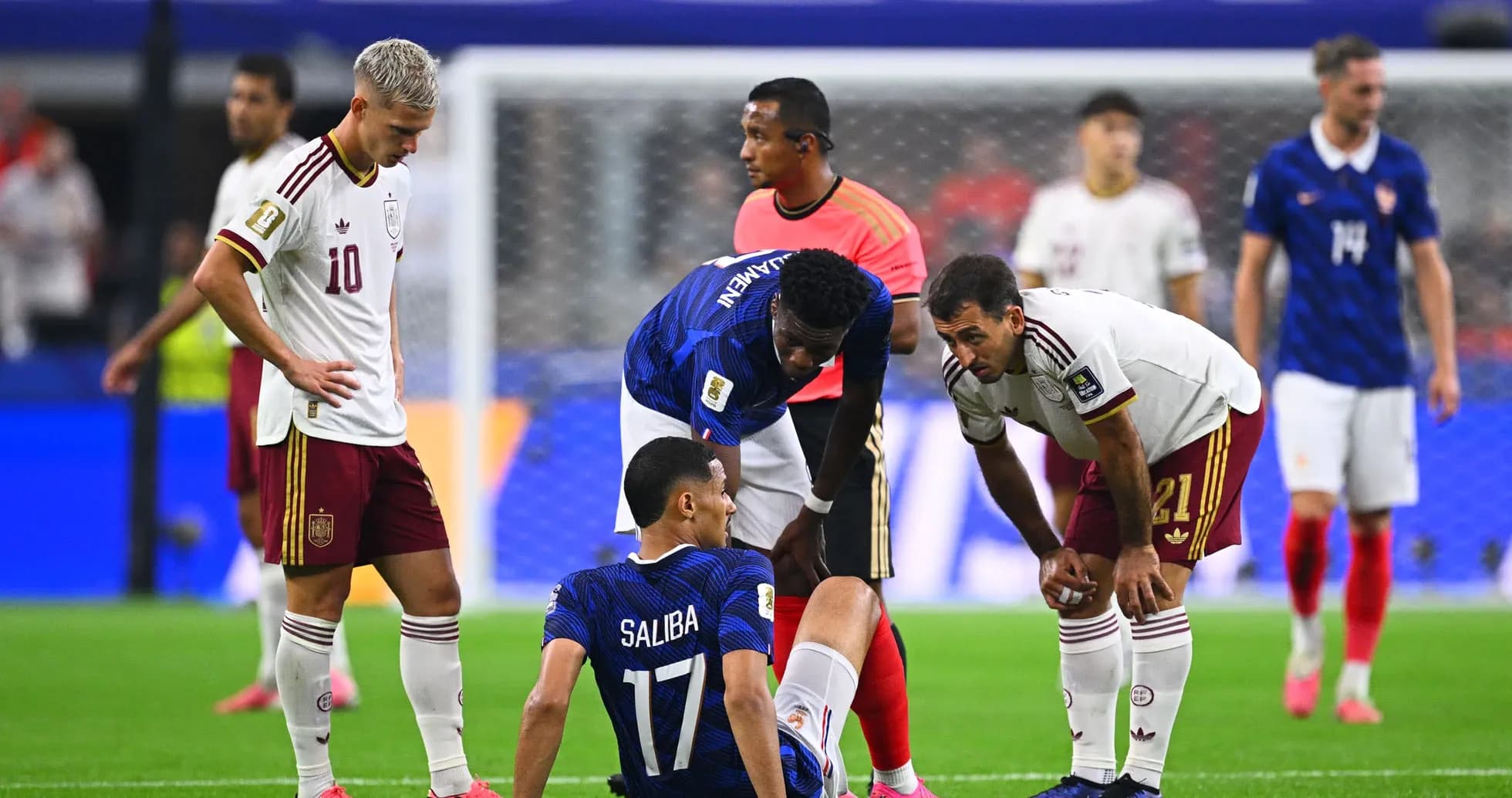
Spain Triumphs Over France in 2026 World Cup Semi-Final
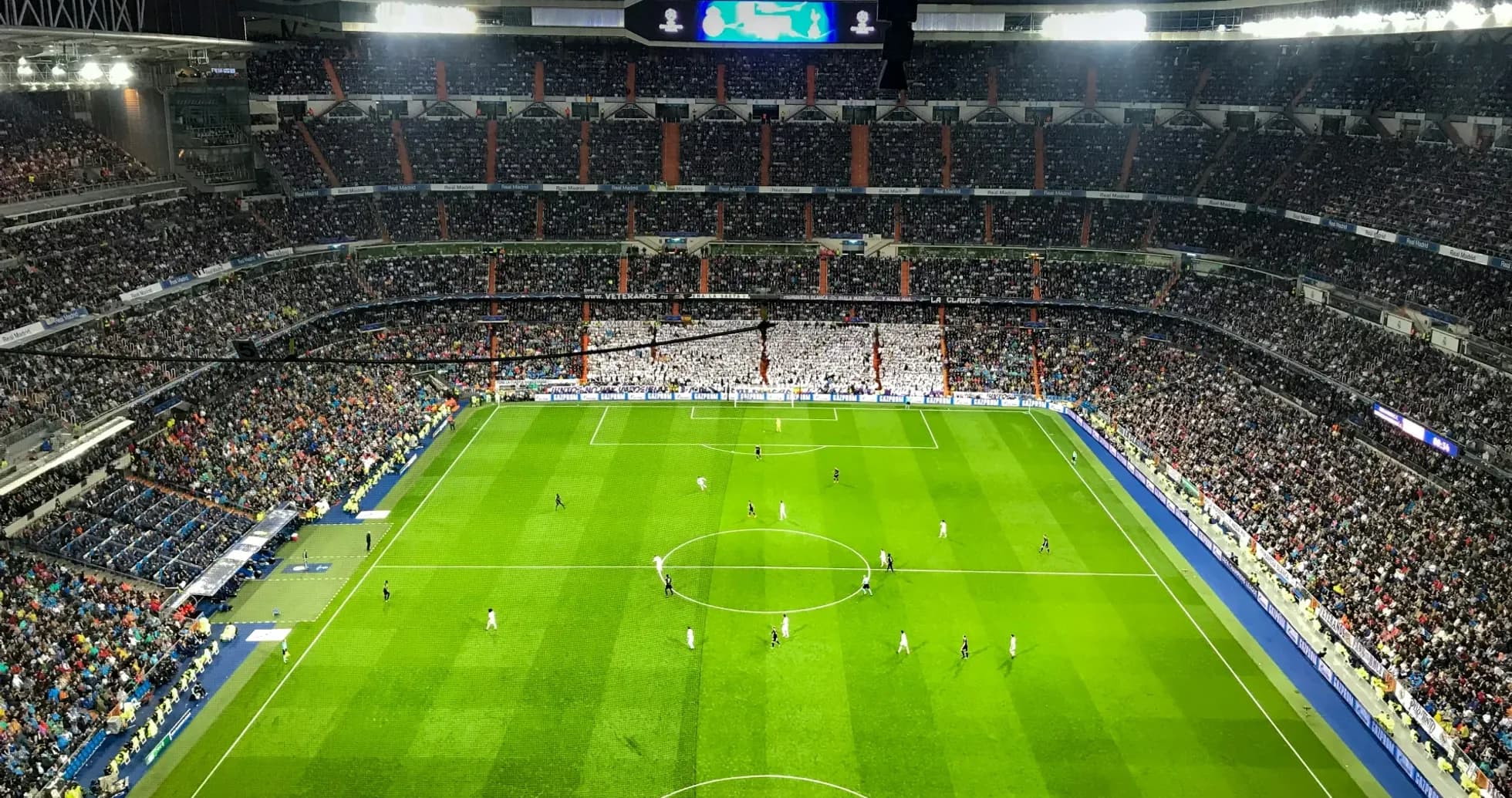
Under the closed roof of Dallas Stadium in Arlington, the World Cup’s 2026 semi-finals brought together two sides whose entire tournament had been building toward this collision. France, shaped in the familiar 4-2-3-1 of D. Deschamps, and Spain, flowing from Luis de la Fuente’s 4-1-2-3, arrived with near-perfect records and sharply defined identities. Over 90 minutes, Spain’s 2–0 win felt less like an upset and more like the logical conclusion of their statistical and structural superiority.
I. The Big Picture – Two giants, one glass ceiling
Heading into this game, France’s campaign had been brutally efficient. Across the tournament they had played 7 fixtures in total, winning 6 and losing only 1. At home they had played 5, with 4 wins and 1 defeat; on their travels they had played 2 and won both. They had scored 16 goals in total this campaign, with 11 at home and 5 away, and conceded just 4 overall (3 at home, 1 away). That gave them an overall goal difference of +12, a number that underpinned their status as Group I winners with 9 points and a group-stage goal difference of +8 (10 scored, 2 conceded).
Spain, though, had been even more immaculate defensively. Across 7 fixtures in total, they were unbeaten: 6 wins, 1 draw, no losses. At home they had played 4, winning 3 and drawing 1; away they had played 3 and won all 3. They had scored 13 goals in total (9 at home, 4 on their travels) and conceded just 1 overall (1 at home, 0 away), for a tournament goal difference of +12 as well. Group H had been theirs with 7 points and a group-stage goal difference of +5 (5 scored, 0 conceded). If France were the tournament’s blunt-force hammer, Spain were the scalpel.
The semi-final lineups reflected those identities. France’s back four of Jules Koundé, Dayot Upamecano, William Saliba and Lucas Digne screened Mike Maignan, with Aurélien Tchouaméni and Adrien Rabiot as a double pivot. Ahead of them, Ousmane Dembélé, Michael Olise and Bradley Barcola supported Kylian Mbappé as the spearhead. Spain answered with Unai Simón behind a defence of Pedro Porro, Pau Cubarsí Paredes, Aymeric Laporte and Marc Cucurella, Rodri anchoring midfield, with Dani Olmo and Fabián Ruiz between the lines. The front trio of Lamine Yamal, Mikel Oyarzabal and Álex Baena promised rotation, pressing and fluidity.
II. Tactical Voids – Where the margins tightened
There were no listed absentees, so the voids here were tactical rather than personnel-based. France’s main structural gamble lay in the double pivot. Tchouaméni and Rabiot had to screen central zones against Spain’s interior rotations, but also provide the platform for Mbappé and Dembélé to run. Deschamps’ reliance on the 4-2-3-1 – used in all 7 of France’s tournament matches – gave continuity but also predictability.
Disciplinary patterns hinted at how France might live on the edge. Across the campaign, their yellow cards were skewed late: 33.33% of their cautions had come between 76–90 minutes, with additional bookings in the opening 15 minutes (16.67%), 16–30 (16.67%), 61–75 (16.67%) and 91–105 (16.67%). No reds, but a clear tendency to pick up cards as legs tired and games stretched.
Spain, by contrast, tended to see their discipline tested in the middle and late phases. In total this campaign, 33.33% of their yellows came between 31–45 minutes, 16.67% between 46–60, and a striking 50.00% between 91–105. They too had no red cards, but the pattern suggested a side that pushed intensity and tactical fouling around half-time and into extra-time scenarios. In this semi-final, with no extra-time needed, that late spike never had to be tested.
III. Key Matchups – Hunter vs shield, engine vs engine
The central narrative was always going to be Mbappé versus Spain’s defensive structure. Mbappé entered as one of the tournament’s headline figures: 8 goals and 3 assists in 7 appearances, with 30 shots (19 on target) and an overall rating of 7.96. He had drawn 8 fouls and even from the spot he embodied both threat and fallibility, scoring 1 penalty and missing 1. Behind him, Dembélé’s 5 goals and 2 assists from 7 matches, plus 13 shots (8 on target), made him a secondary but lethal outlet. Olise, leading the assist charts with 5, added 355 passes at 86% accuracy and 13 key passes, while winning 42 of 78 duels – a creative hub who also worked without the ball.
All of that met a Spanish defence that, heading into this game, had conceded just 1 goal in total across the tournament, with 6 clean sheets overall and 3 on their travels. The centre-back pairing of Cubarsí Paredes and Laporte, shielded by Rodri, represented the “shield” in its purest form: compact lines, minimal space between units, and a structure designed to deny Mbappé the open-field transitions he thrives on.
On the other side, Spain’s “hunter” was Oyarzabal. With 5 goals and 1 assist in 7 appearances, 20 shots (11 on target) and a rating of 7.27, he embodied clinical movement and penalty-box craft. His supporting cast – Yamal’s one-versus-one threat and Baena’s drifting from the left channel – targeted the spaces around Koundé and Digne, forcing France’s full-backs to defend deeper than Deschamps would have liked.
In midfield, the engine-room duel between Rodri and the Tchouaméni–Rabiot axis was decisive. Rodri’s single-pivot role allowed Spain to build with a 3+1 structure, with Porro or Cucurella tucking in, while Olmo and Fabián Ruiz occupied half-spaces behind France’s first line. That shape repeatedly asked Mbappé and the wide trio to choose: press high and leave Tchouaméni exposed, or drop and concede territory. France never fully solved that puzzle.
IV. Statistical Prognosis – Why Spain’s plan prevailed
On paper, France’s attacking numbers were formidable: an overall average of 2.3 goals scored per game, with 2.2 at home and 2.5 on their travels. Defensively they conceded just 0.6 goals per game overall (0.6 at home, 0.5 away), and they had kept 4 clean sheets in total. Yet Spain’s balance was even more ruthless. They averaged 1.9 goals scored per game overall (2.3 at home, 1.3 away), but conceded only 0.1 per game in total, with an immaculate 0.0 on their travels and 6 clean sheets overall.
Overlay those profiles and the semi-final always leaned toward a tight contest where one side’s defensive perfection might blunt the other’s firepower. France’s slight fragility in high-pressure moments was also hinted at by their penalties: 2 awarded in total, with 1 scored and 1 missed – a 50.00% conversion rate that underlined their occasional wastefulness in decisive moments.
Spain’s penalty record, by contrast, was spotless: 1 taken, 1 scored, 100.00% conversion, a small but telling symbol of their clinical edge. Their tactical flexibility – alternating between 4-1-2-3, 4-3-3 and 4-2-3-1 across the campaign – contrasted with France’s single-formation reliance and suggested a team more capable of adjusting mid-game.
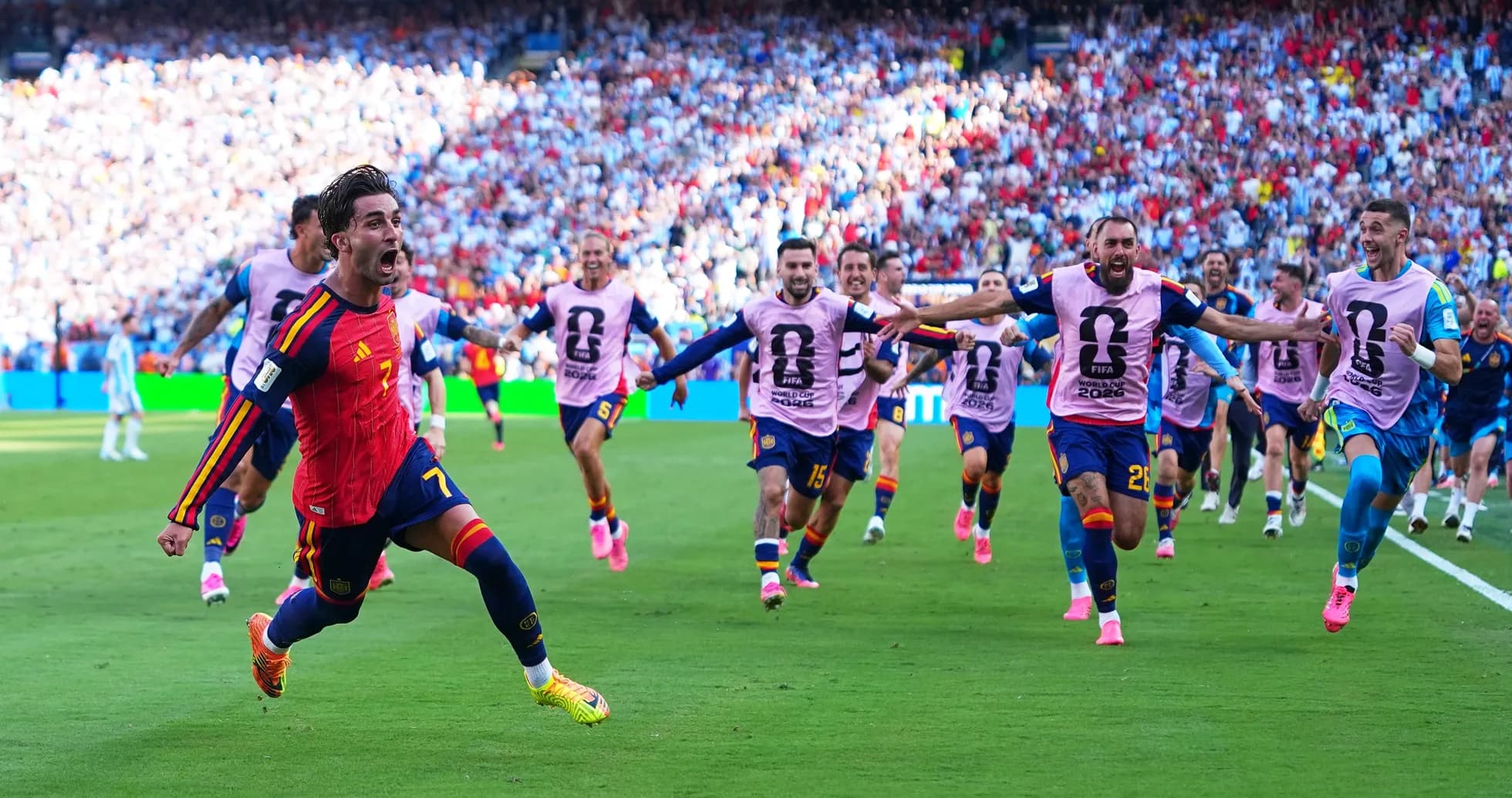
Following this result, Spain’s 2–0 victory felt like the triumph of structure over stardust. France’s stars – Mbappé, Dembélé, Olise – had carried them to the semi-finals, but against a defence that had conceded just once all tournament and a midfield orchestrated by Rodri, the margins finally closed. In Dallas, the numbers and the narrative aligned: Spain’s shield held, their hunters struck, and France’s golden generation found their ceiling one step short of the final.