France vs England: 3rd Place Final Preview
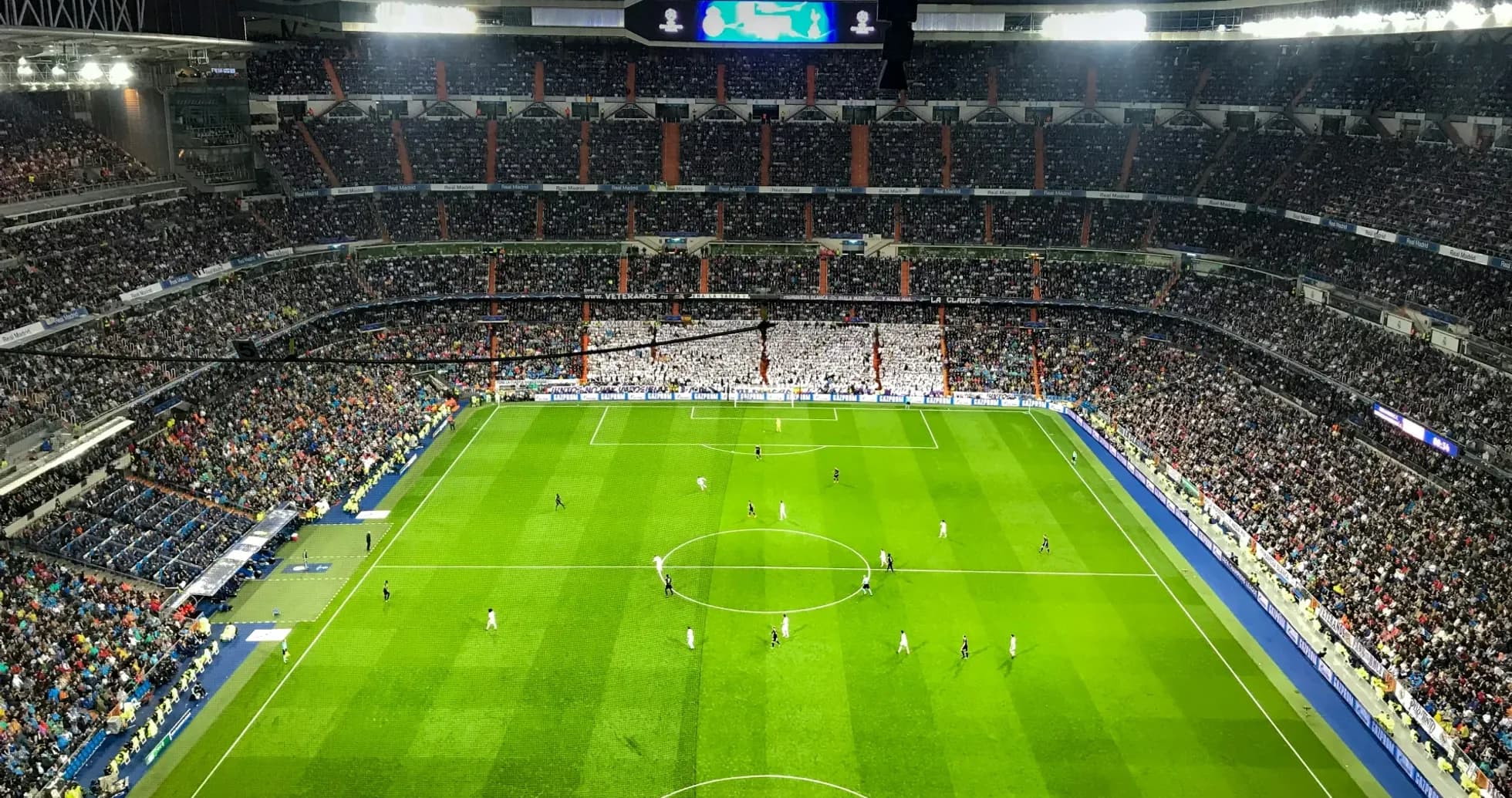
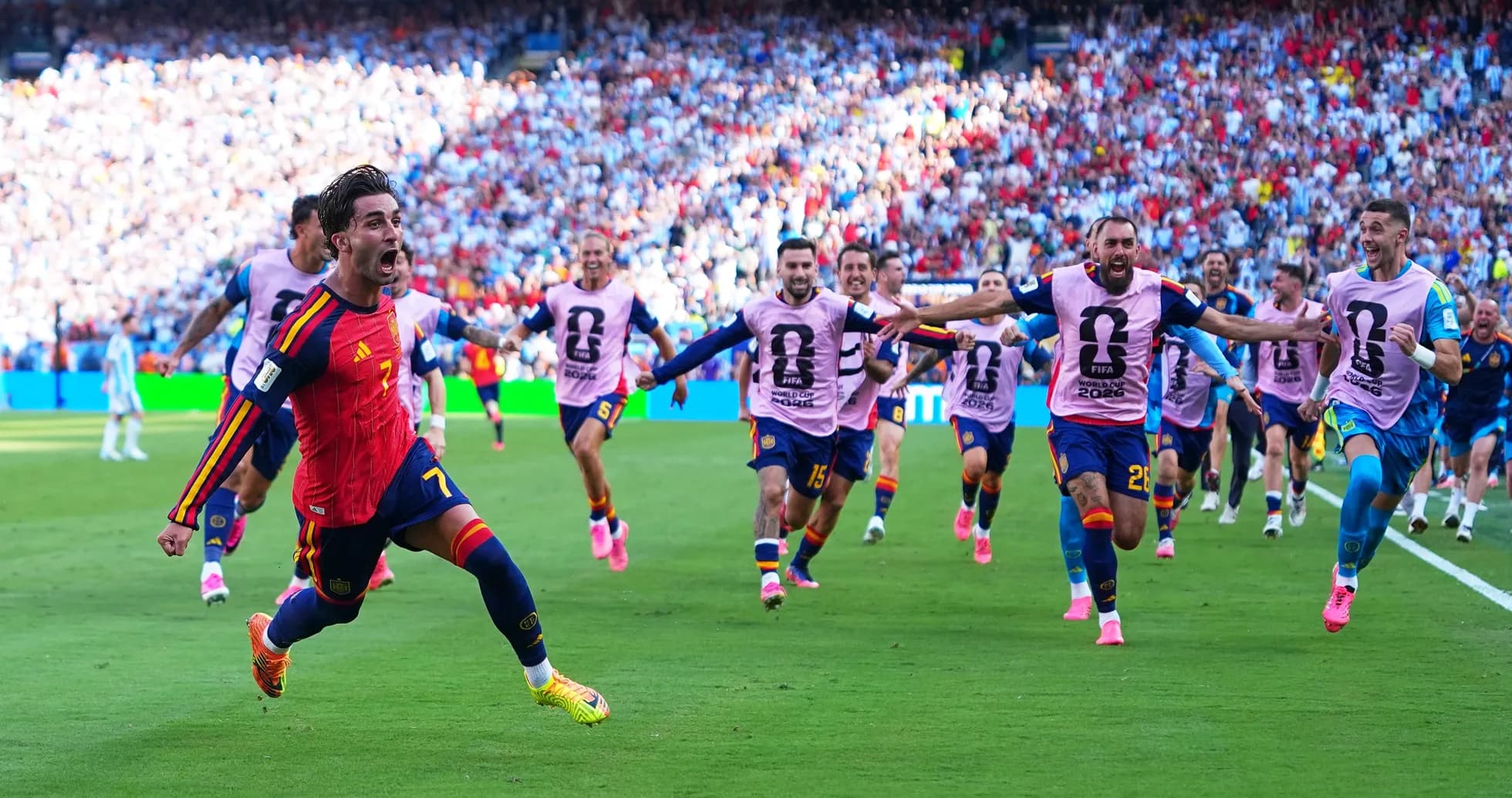
The World Cup reaches its bittersweet finale as France and England prepare to meet in the 3rd Place Final on 18 July 2026. The setting is shorn of detail — the official venue name and city are yet to be confirmed — but the stakes are unmistakable: one last shot at leaving this tournament with a medal, a statement, and a memory that softens the pain of missing the ultimate showpiece.
Season Context
For France, this World Cup has been a showcase of firepower and control. They topped Group I with 9 points from 3 matches, scoring 10 goals and conceding just 2. A goal difference of +8 underlines how ruthless they have been in the group phase, and their status as 1st in Group I reinforces that they arrived in the knockout rounds as one of the tournament’s standard-bearers.
England’s path has been steadier but almost as impressive. They finished 1st in Group L with 7 points from 3 matches, powered by 6 goals scored and only 2 conceded. A goal difference of +4 and an unbeaten group run set them up as serious contenders, even if their margin at the top of the group was narrower than France’s.
Form & Momentum
Both sides come into this 3rd Place Final with recent records that speak of quality but also of a late stumble. In the overall World Cup run reflected in the standings, France carry a form line of LWWWW, meaning they strung together four straight victories before a defeat halted their charge. Across their 3 group matches they averaged 3.3 goals scored and 0.7 conceded per game (10 for, 2 against), a profile of a team that has been both explosive and defensively solid.
England mirror that same form pattern of LWWWW from their group perspective, suggesting a similarly strong surge after an early setback. Their 6 goals and 2 conceded in 3 group fixtures translate to 2.0 scored and 0.7 allowed per match, indicating a slightly less prolific attack than France but a back line that has been just as hard to breach (2 goals conceded in 3 games).
The predictive model’s last-five snapshot adds nuance: France’s recent five matches show strong attacking and defensive indices, with 10 goals scored and 3 conceded over that stretch (2.0 for and 0.6 against per game), while England’s last five also produced 10 goals but with 6 conceded (2.0 for and 1.2 against per match), hinting at a more open, risk-taking approach.
Head-to-Head Patterns
History between these two giants has often tilted slightly towards France in competitive settings, and recent meetings reinforce that narrative. The most vivid memory is England 1-2 France (World Cup, season 2022, December 2022), a quarter-final in which France’s clinical edge proved decisive despite long spells of English pressure.
Going back further in non-tournament action, there was a thriller in France 3-2 England (Friendlies, season 2017, June 2017), a match that, while a friendly, underlined how chaotic and high-scoring this fixture can become when both attacks are allowed space. For a more balanced contest on a major stage, France 1-1 England (Euro Championship, season 2012, June 2012) showed how evenly matched these sides can be when the stakes are high and caution tempers ambition.
Taken together, these three fixtures sketch a pattern: France often find a way to edge tight encounters, but England rarely go quietly, and draws or one-goal margins have been the norm rather than blowouts.
Tactical Preview
France’s tournament profile points strongly towards a 4-2-3-1 structure, the shape they have used in all 7 competitive outings tracked by the statistics. With 16 goals scored and only 4 conceded across those 7 matches (2.3 for and 0.6 against per game), they have balanced a high-powered front line with a compact spine. Kylian Mbappé, with 8 goals and 3 assists in 7 appearances, is the obvious spearhead, constantly threatening in behind and decisive in the box. Around him, Ousmane Dembélé’s 5 goals and 2 assists and Michael Olise’s 5 assists provide creativity and width, suggesting France will look to stretch England horizontally before striking vertically.
In midfield, the presence of ball-winners and passers such as N. Kanté, A. Tchouaméni and A. Rabiot allows France to compress space and launch quick transitions. Their defensive record of just 4 goals conceded in 7 matches in the broader data set underlines how effectively they protect their back four, with centre-backs like W. Saliba and D. Upamecano supported by attack-minded full-backs such as T. Hernández.
England, too, lean heavily on a 4-2-3-1 base, used in 6 of their 7 tracked matches, with a 4-1-4-1 variant appearing once. Their 14 goals scored and 8 conceded in 7 matches (2.0 for and 1.1 against per game) point to a side that can hurt opponents but is more vulnerable defensively than France. Jude Bellingham has been central to their attacking identity, with 6 goals and 1 assist from midfield, driving from deep and arriving late in the box. Harry Kane’s 6 goals and 1 assist make him the focal point in and around the penalty area, combining link play with penalty-box finishing.
Wide threats such as Bukayo Saka and Anthony Gordon add direct running and crossing, while Declan Rice anchors midfield, recycling possession and screening the defence. England’s two clean sheets in 7 matches suggest they can shut games down, but their 8 goals conceded also show that when the tempo rises, their back line can be exposed, especially if their full-backs push high.
Discipline may also play a role. England have seen one red card in this World Cup run through J. Quansah, and Rice has collected two yellows, hinting at an aggressive midfield approach. France, by contrast, have avoided red cards in the available data, which may matter in a tight, emotionally charged 3rd Place Final.
Statistical Snapshot
- Competition: World Cup, season 2026 — 18 July 2026.
- Venue: Venue to be confirmed, city to be confirmed.
- Prediction: Win or draw for France — Double chance: France or draw.
- Win Probabilities: Home 45% / Draw 45% / Away 10%.
- Model: France 61.3 — England 38.8.
Betting Verdict
The prediction model leans towards France avoiding defeat, and the numbers support that stance. France’s sharper attack in the group phase (10 goals in 3 matches) and stronger defensive record across the wider sample (4 conceded in 7) give them a statistical edge over an England side that has allowed 8 goals in the same number of games. Head-to-head memories from December 2022, when France edged England 2-1 in the World Cup quarter-finals, further reinforce the idea that France are slightly better equipped to manage high-pressure knockout occasions.
With the probabilities set at 45% for a France win, 45% for a draw and just 10% for an England victory, the recommended angle is to follow the advice of “Double chance: France or draw”. It captures France’s superior balance while respecting England’s capacity to stay competitive and force extra tension. In a match where motivation and rotation could introduce volatility, siding with France on the safer double-chance line looks like the most rational play.