England's World Cup Heartbreak in Atlanta: Tuchel's Future Secure for Euro 2028
England’s World Cup run ended in the sharpest kind of heartbreak in Atlanta, a 2-1 defeat to Argentina denying them a place in the final and cutting short a campaign that had often felt destined for more.
At the Atlanta Stadium, Thomas Tuchel’s side had the game exactly where they wanted it. Tight. Controlled. On their terms. When Anthony Gordon struck in the 55th minute, sliding England into a 1-0 lead, it looked like the moment that would define a generation.
Instead, it became the turning point for a storm of criticism.
Tuchel Under Fire, But FA Holds Its Nerve
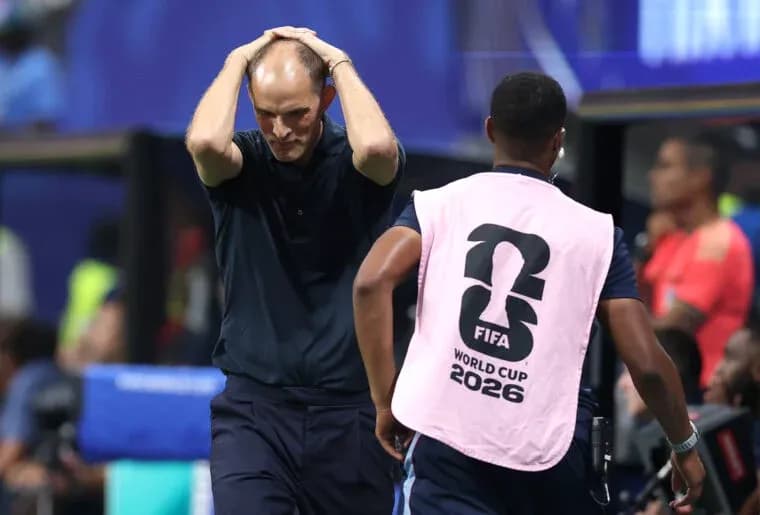
The backlash was immediate and fierce. Fans and pundits turned on Tuchel for what they saw as an overly cautious response to Gordon’s breakthrough. Rather than pressing home the advantage, England dropped deeper, guarded their lead, and invited Argentina into areas where they thrive.
The pressure finally told. Argentina turned the game around, and with it, the mood around the England camp.
Yet behind the noise, the Football Association has not flinched. According to BBC Sport, Tuchel retains the firm backing of the FA and is expected to lead England into Euro 2028. His job, despite the pain of another near-miss on the biggest stage, is not on the line.
The German was appointed in January 2025 on a contract that was initially due to run only until this World Cup. The FA moved early, though. In February, they handed him a two-year extension, tying him to the role through Euro 2028. One bad night in Atlanta was never going to rip that up.
From Early Statement Wins to Knockout Momentum
England did not arrive at this tournament quietly. They came in as one of the favourites, burdened with expectation and buoyed by talent. Their opening statement was emphatic: a 4-2 win over Croatia that felt like a warning shot to the rest of the world.
The group stage after that was less convincing. Performances against Ghana and Panama lacked the same fluency, the same edge. The results were there, but the rhythm wasn’t. Questions surfaced, even then, about balance, control and risk.
The response came when it mattered most. In the knockout rounds, England grew into something far more imposing. They handled the tension against DR Congo, then produced a genuine masterclass at the Estadio Azteca to dismantle Mexico in a performance that showcased both Tuchel’s tactical detail and the squad’s attacking depth.
Norway posed another awkward test. England met it with authority, coming through “with flying colours” and carrying a surge of belief into the semi-final. By the time they walked out to face Argentina in Atlanta, this looked like a team ready to take the final step.
The Lead, The Retreat, The Fallout
For 55 minutes, the plan worked. England contained Argentina, picked their moments, and then struck through Gordon. The goal felt like the release of weeks of tension, the kind of moment that usually propels a side to the finish line.
What followed will define the post-mortem.
Tuchel chose control over chaos. Rather than chasing a second goal, England tightened up, dropped into a more conservative shape and tried to manage the game. Argentina sensed the shift. The momentum swung. England, once proactive, became reactive, and the semi-final slipped away.
The defeat stings all the more because of what came before it: a campaign that started with swagger, wobbled, then hardened into something serious and credible. This was not a collapse in the group stage or a timid last-16 exit. It was a late stumble on the brink of the final.
The FA, though, has made its calculation. Tuchel’s body of work – the evolution of the side, the depth built, the run through the knockouts – outweighs one brutal night. The project continues. The same man will lead England into a home European Championship in 2028.
The World Cup has gone. The questions about style, risk and ambition will not. How Tuchel answers them over the next two years may decide whether Atlanta is remembered as a painful step on the journey, or the moment everything started to unravel.