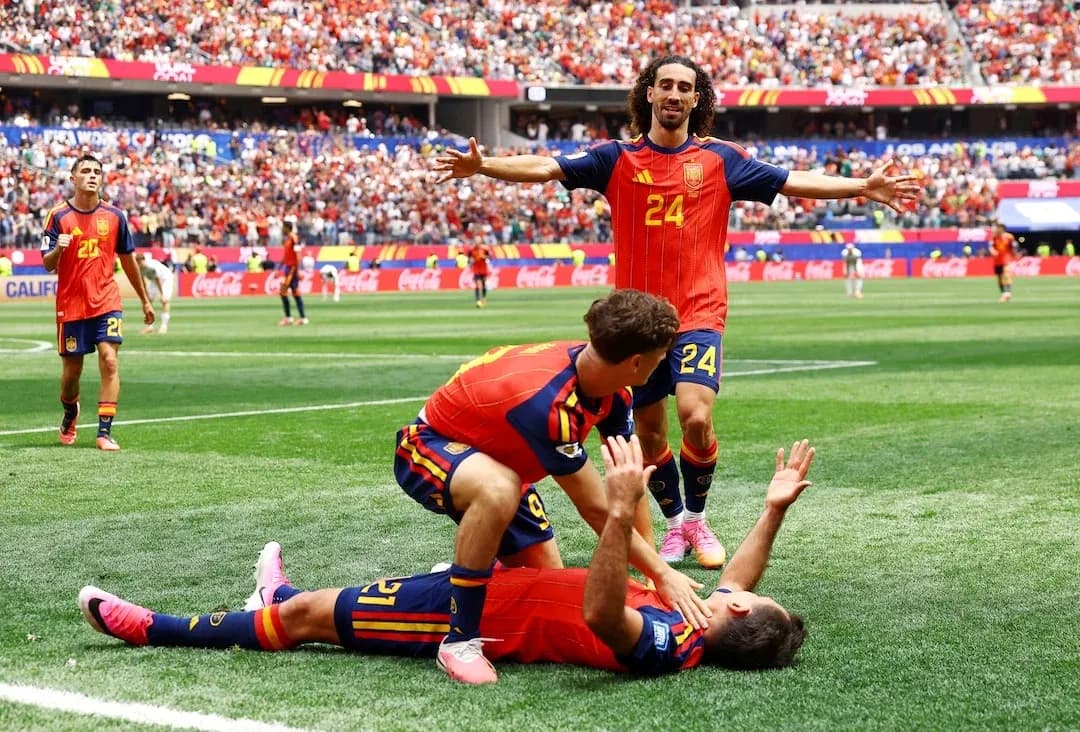
Spain vs Austria: Clash of Footballing Ideologies in Round of 32
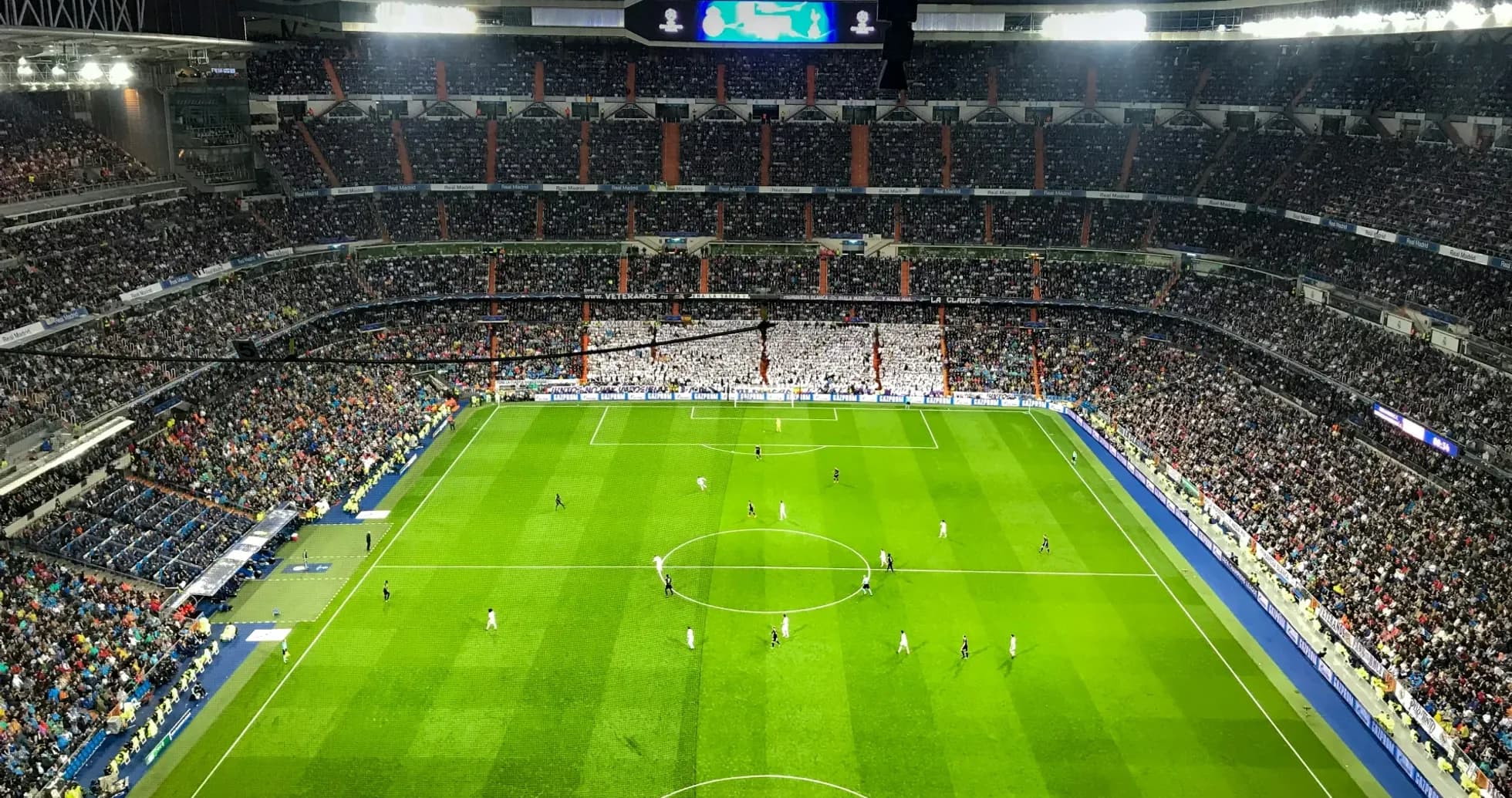
SoFi Stadium in Inglewood hosts a Round of 32 clash that feels like a collision of footballing ideologies. Spain arrive as group winners from Group H, unbeaten and unbreached in the group stage with 5 goals for and 0 against in total across 3 matches. Austria, second in Group J, are far more volatile: 6 goals scored and 6 conceded in total in their group, a side that lives on the edge rather than controls it.
Both coaches lean into a 4-2-3-1, but the shared shape hides very different identities. Luis de la Fuente’s Spain have evolved into a quietly ruthless tournament machine. Overall this campaign they have played 4 matches, winning 3 and drawing 1, with 8 goals for and none against in total. At home they average 2.3 goals for and 0.0 against, and on their travels 1.0 for and 0.0 against, underlining how their defensive structure travels wherever they go. Ralf Rangnick’s Austria, by contrast, are defined by chaos: in total this campaign they have 1 win, 1 draw and 2 defeats, with 6 goals for and 9 against. At home they average 3.0 goals scored and 1.0 conceded; away that flips to 1.0 scored and 2.7 conceded. It is a team that can hurt you, but is just as likely to hurt itself.
Spain’s seasonal DNA is built on control and clean sheets. They have kept 4 clean sheets in 4 matches in total, and have yet to taste defeat. Their biggest home win is 4-0; their biggest away result a 0-1 grind that shows they can also suffer without breaking. Their disciplinary profile is measured: just 1 yellow card between minutes 46-60 and 1 between 91-105, a split that speaks to a side that rarely loses its head, even when the tempo rises late.
Austria’s profile is more jagged. They have yet to keep a clean sheet in total, and have already failed to score twice away. Their card map is revealing: 20.00% of their yellows arrive in the opening 15 minutes, another 20.00% between 31-45, and a heavy 60.00% in the 76-90 window. This is a team that starts aggressively and finishes frayed, a dangerous combination against a Spain side that tends to accelerate as opponents tire.
Tactical Overview
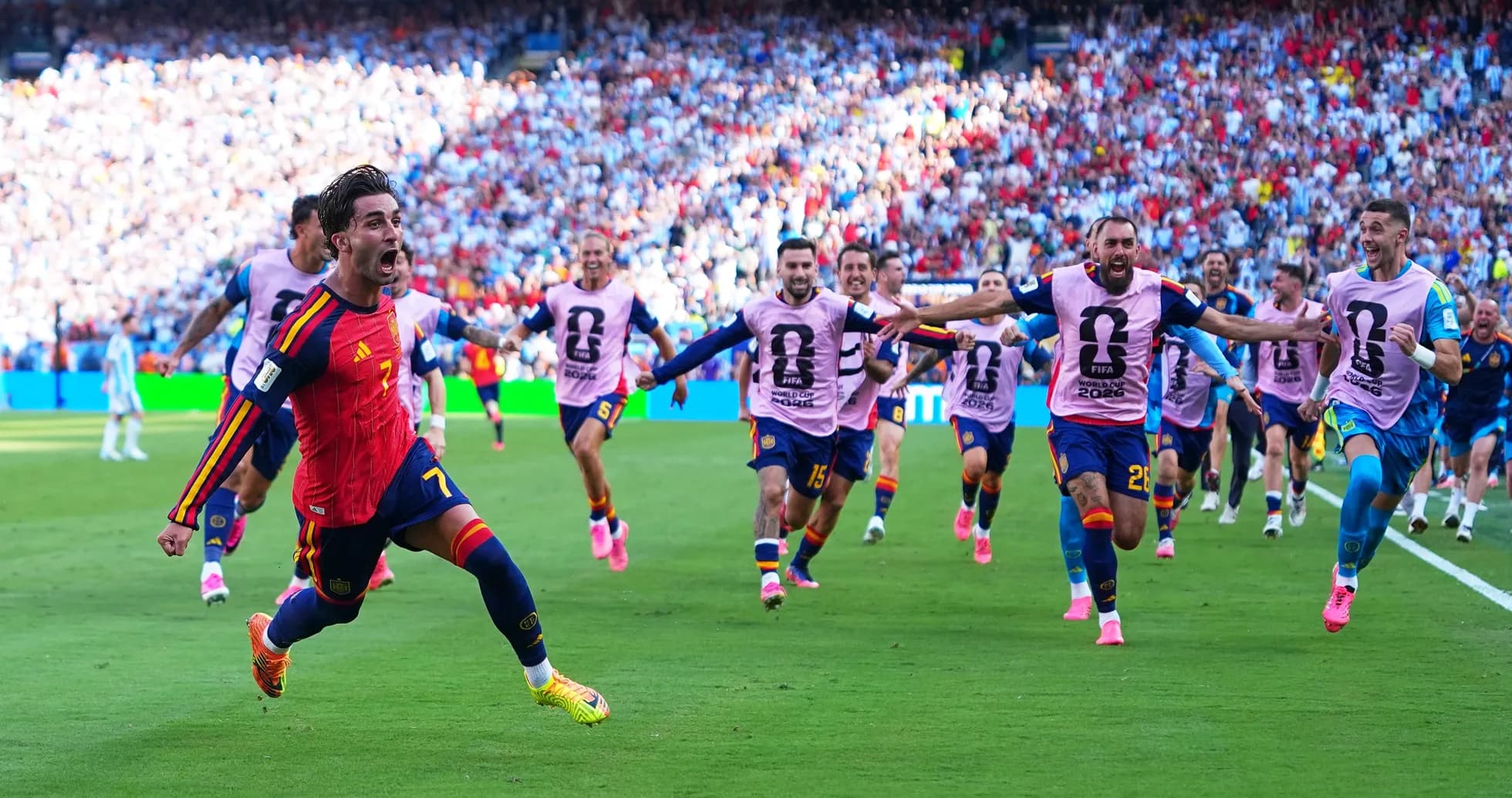
On the tactical board, Spain’s 4-2-3-1 is built around a double pivot of Rodri and Pedri. Rodri anchors in front of the centre-backs P. Cubarsi and A. Laporte, giving Spain their now-familiar iron spine. Pedri, nominally alongside him, is the metronome who steps higher to connect with the three between the lines. Ahead of them, the trio of Lamine Yamal, D. Olmo and A. Baena supports lone forward Mikel Oyarzabal.
Oyarzabal is not just a name on the teamsheet; he is one of the tournament’s sharpest weapons. Heading into this game he has 4 goals and 1 assist in total, from 15 shots and 8 on target, with a strong 7.7 average rating. He is not a pure penalty-box poacher; 69 passes in total with 2 key passes underline his role as a connector who can both finish and facilitate. Against an Austrian back line that concedes 2.7 goals per away match on average, his movement between K. Danso and D. Alaba could be decisive.
Austria mirror Spain’s structure but not their serenity. A. Schlager starts in goal behind a back four of S. Posch, Danso, Alaba and K. Laimer. The double pivot of N. Seiwald and X. Schlager is asked to compress space and launch transitions, feeding an attacking band of R. Schmid, P. Wanner and M. Sabitzer behind target man M. Gregoritsch. On paper it is balanced; in practice, the numbers tell of a side that leaks too many chances, especially away.
Key Matchup
The “Hunter vs Shield” duel is stark. Spain’s attack averages 2.0 goals per game in total and has already produced a 4-0 home demolition. Austria’s defence, in total, concedes 2.3 per match, and on their travels that climbs to 2.7. Spain’s shield is equally imposing: 0.0 goals conceded per match in total, home and away alike. Austria’s attack, averaging 1.5 goals per game in total, has shown flashes – a 3-1 home win is their high-water mark – but it now runs into a defensive block that simply has not been breached.
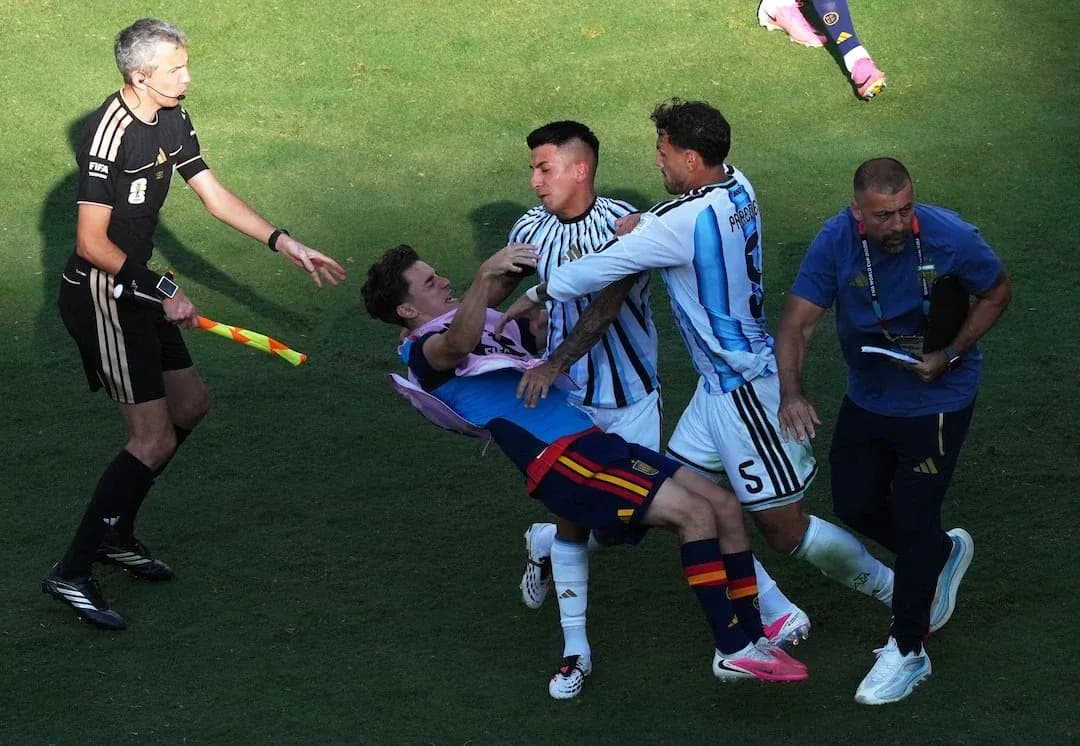
Individually, the key defensive narrative sits on Austria’s right. S. Posch, their most carded and most combative defender, has 2 yellow cards in total, 7 fouls committed and 10 interceptions, with 35 duels contested and 16 won. He is also listed among the top red card profiles in the competition, a sign that his aggression can spill over. His direct zone? The flank where Lamine Yamal and the overlapping P. Porro will probe relentlessly. If Spain can repeatedly isolate Posch two-against-one, Austria’s disciplinary fragility in the 76-90 window could become a decisive fault line.
Midfield Battle
In the “Engine Room”, Rodri and Pedri face Seiwald and X. Schlager. Spain’s pair will look to suffocate Austrian transitions before they start, pinning Rangnick’s side back and forcing Gregoritsch to feed on long diagonals. For Austria, the out-ball to Sabitzer between the lines is critical; if he can drag Rodri out of his slot, Wanner and Schmid may find pockets to attack the half-spaces.
Statistically, the prognosis tilts heavily towards Spain. Their xG profile is not provided, but the empirical record – 8 scored, 0 conceded in total, 4 clean sheets, and no penalties taken or missed – points to a side that creates enough from open play and gives almost nothing away. Austria’s numbers suggest a team that will generate moments, but over 90 minutes is likely to concede a higher quality and quantity of chances than it can produce, especially given their 0 clean sheets and 9 goals conceded in total.
In a knockout context, that blend of Spanish control and Austrian volatility usually has one outcome. Unless Austria can radically tighten their defensive line and keep their emotions in check late on, Spain’s structure, depth and form make them clear favourites to turn this Round of 32 tie into another step in a quietly dominant campaign.