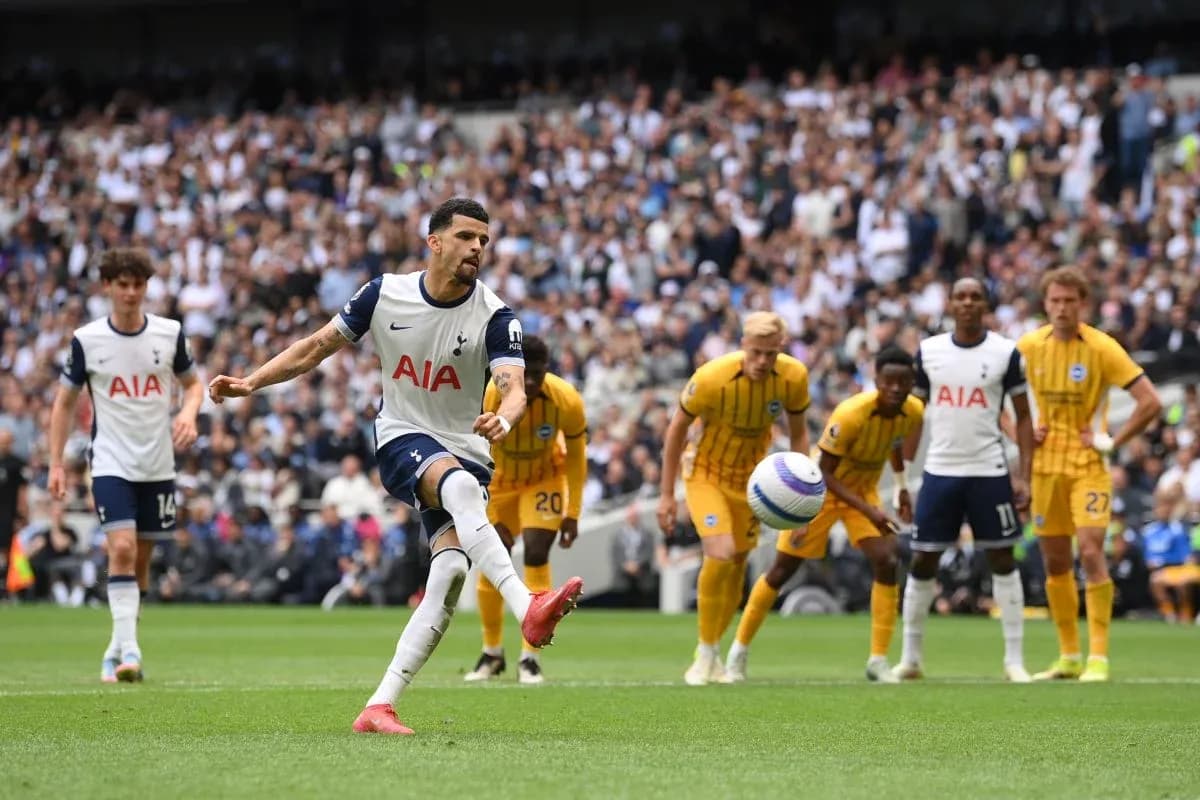
Tottenham vs Brighton: Premier League Survival Clash
Tottenham’s fight for survival meets Brighton’s European push at Tottenham Hotspur Stadium in London, where the stakes could hardly be higher. In April 2026, 18th‑placed Tottenham host 9th‑placed Brighton in Premier League Regular Season Round 33, with the home side desperate for points to escape the relegation zone and the visitors eyeing a late surge towards the European places.
Context and stakes
In the league, Tottenham sit 18th with 30 points from 32 matches and a goal difference of -11 (40 scored, 51 conceded). Their recent form of “LLDLL” underlines a team in deep trouble, especially at home: just 2 wins in 16 league games in London, with 10 defeats and 28 goals conceded.
Brighton arrive in far better shape. They are 9th on 46 points, goal difference +6 (43 for, 37 against), and their form reads “WWWLW” across all phases – four wins in their last five league outings. Away from home they have been patchy (5 wins, 4 draws, 7 defeats), but they remain more balanced and consistent than their hosts.
With only a handful of matches left, Tottenham are running out of road. This fixture is less a free hit and more a must‑win to avoid slipping further towards the Championship. For Brighton, three points would keep them firmly in the top‑half mix and potentially within touching distance of European qualification.
Tactical outlook: Tottenham
Across all phases, Tottenham’s numbers paint a clear picture: 7 wins, 9 draws and 16 defeats from 32 league matches, with 40 goals scored and 51 conceded. They average 1.3 goals for and 1.6 against per game, and the home split is particularly worrying – just 18 goals in 16 home matches (1.1 per game) and 28 conceded (1.8 per game).
Tactically, they have been flexible but not always coherent. The most-used shape is 4‑2‑3‑1 (14 matches), with spells in 4‑3‑3 (8 matches) and occasional switches to back‑three systems such as 3‑4‑2‑1 and 3‑5‑2. That tactical churn hints at a manager searching for balance between attacking intent and defensive security, and largely failing to find it.
Defensively, Tottenham are fragile and often ill‑disciplined. They have conceded 51 goals in the league and picked up a notable spread of yellow and red cards, with red cards clustered in the first half (particularly between 31‑45 minutes). Late in games they also suffer – the 61‑75 and 76‑90 minute ranges see a high share of bookings, suggesting fatigue and poor game management.
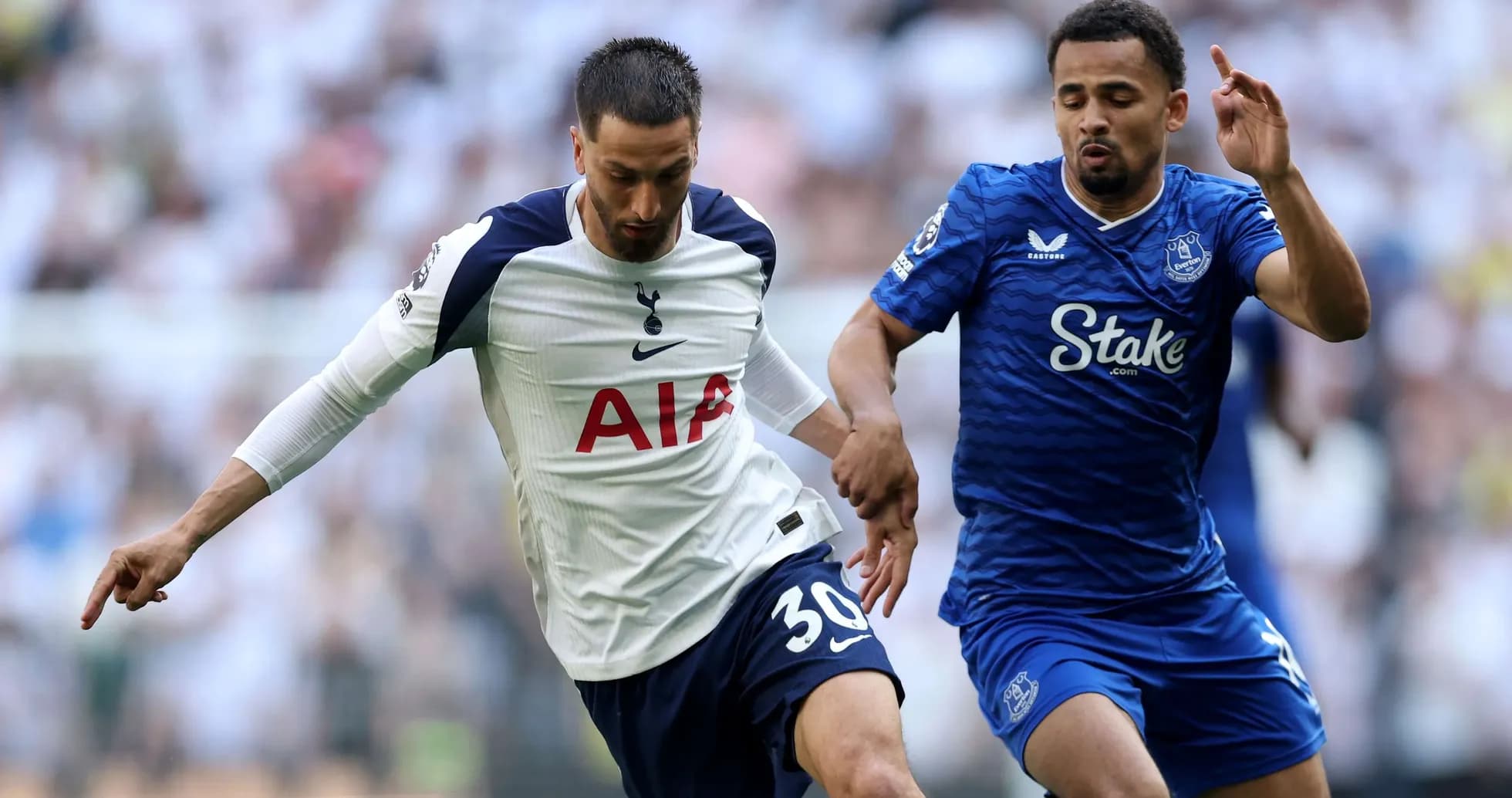
In attack, the burden falls heavily on Richarlison. The Brazilian has 9 league goals and 3 assists in 27 appearances, despite starting only 16 times. He averages 36 shots in total with 22 on target, and he is heavily involved in duels (252 contested, 110 won), underlining his role as a focal point and outlet. His penalty record this season shows no attempts (0 scored, 0 missed), so any spot‑kick responsibility would be more a tactical choice than a reflection of proven reliability from the spot.
The problem for Tottenham is that much of their creative spine is missing. Ben Davies (ankle), Mohammed Kudus (muscle), Dejan Kulusevski (knee), James Maddison (knee), Wilson Odobert (knee) and Cristian Romero (knee) are all ruled out. That strips the side of an experienced defender, multiple ball‑carriers and their primary playmaker. Rodrigo Bentancur (muscle) and goalkeeper Guglielmo Vicario (groin) are both listed as questionable, adding further uncertainty in midfield balance and between the posts.
Without Maddison and Kulusevski, Tottenham may lean on a more direct 4‑2‑3‑1 or 4‑3‑3, using Richarlison’s physicality and movement to pin Brighton’s back line, with wide players asked to run in behind rather than combine intricately. At the back, the absence of Romero and Davies could force a makeshift defence that has already struggled badly at home.
Tactical outlook: Brighton
Brighton’s season profile is that of a solid, well‑coached side. Across all phases they have 12 wins, 10 draws and 10 defeats, scoring 43 and conceding 37 (1.3 scored and 1.2 conceded per game). Their away numbers are slightly more conservative – 19 scored and 20 conceded in 16 matches (1.2 for, 1.3 against) – but they remain competitive on the road.
Formationally, Brighton are stable. They have used 4‑2‑3‑1 in 27 league matches, with only occasional switches to 4‑3‑3 and 3‑4‑2‑1. That continuity underpins their recent surge: a clear structure, double pivot in midfield, and a front four built around intelligent movement and pressing.
Defensively, they are tighter than Tottenham, with 37 goals conceded and 8 clean sheets (5 of them away). They also commit fewer red‑card offences, maintaining numerical parity and control in most matches. Brighton do pick up plenty of yellows, especially between 46‑60 minutes, which aligns with an aggressive press early in the second half.
In attack, the standout is Danny Welbeck. At 35, he has 12 league goals in 31 appearances, with 23 of his 39 shots on target. He also contributes 19 key passes, showing that he can link play as well as finish. However, his penalty record this season is mixed: 1 scored, 2 missed. Any narrative about him being flawless or ruthless from the spot would be inaccurate; if Brighton get a penalty, his recent record may factor into whether he takes it.
Brighton’s penalty record as a team is excellent – 3 penalties taken, 3 scored (100%). That suggests others in the squad have converted from the spot, even as Welbeck himself has missed two. It is a subtle but important distinction when assessing their set‑piece threat.
Team news brings a significant defensive wrinkle: captain Lewis Dunk is suspended due to yellow cards, while Adam Webster (knee) and youngster S. Tzimas (knee) are also out. James Milner is questionable. Without Dunk and Webster, Brighton will likely have to reshuffle their central defence, which could be the one area where Tottenham’s struggling attack can find joy, especially if Brighton try to hold a higher line in their usual 4‑2‑3‑1.
Head‑to‑head narrative (last 5 competitive meetings)
All five recent meetings in the data are Premier League fixtures, so all count as competitive:
- Sep 2025: Brighton 2‑2 Tottenham (Brighton led 2‑1 at half‑time, Spurs fought back).
- May 2025: Tottenham 1‑4 Brighton (a heavy away win in London).
- Oct 2024: Brighton 3‑2 Tottenham (Spurs 2‑0 up at half‑time, Brighton roared back).
- Feb 2024: Tottenham 2‑1 Brighton.
- Dec 2023: Brighton 4‑2 Tottenham.
Across these five, Brighton have 3 wins, Tottenham 1, and there has been 1 draw. The pattern is striking: all five matches produced at least four goals, with Brighton repeatedly finding ways to hurt Spurs, home and away. Tottenham’s sole win was a narrow 2‑1 at home in February 2024, while Brighton have twice scored four in London (4‑2 in December 2023, 4‑1 in May 2025).
The head‑to‑head trend, therefore, strongly favours Brighton, both in results and in attacking productivity.
Key battles and game flow
- Tottenham attack vs makeshift Brighton defence: Without Dunk and Webster, Brighton’s back line may lack leadership and aerial dominance. Richarlison’s physical presence and work rate could unsettle a reconfigured central pairing, especially on crosses and second balls.
- Midfield control: Tottenham’s potential absence of Bentancur would leave them light in central midfield, where Brighton’s settled double pivot in 4‑2‑3‑1 has been a strength. If Brighton can dominate possession and transitions, Spurs’ fragile defensive structure could be exposed again.
- Set pieces and penalties: Brighton’s team penalty record (3/3) is a quiet weapon, even if Welbeck’s personal numbers are mixed. Tottenham, by contrast, have not taken a league penalty this season (0 total), limiting a potential route back into games.
- Discipline and game management: Spurs’ card profile suggests vulnerability to losing control in key phases, particularly just before half‑time. Against a Brighton side that often finishes strongly and presses aggressively after the break, that could be decisive.
The verdict
On form, structure and recent head‑to‑head history, Brighton travel as deserved favourites. They have the clearer tactical identity, a sharper attack led by Welbeck, and a habit of scoring freely against this opponent.
However, the absence of Dunk and Webster opens a door for Tottenham that would not otherwise exist. In a relegation fight, desperation can sharpen focus, and Spurs’ home crowd will demand a response after a dire run in London.
Data points to a high‑event contest: Tottenham concede 1.8 goals per home game, Brighton score 1.2 away and have been involved in goal‑heavy meetings with Spurs in recent years. A controlled away performance might normally tilt this towards a Brighton win, but the defensive absences and Tottenham’s urgent need for points suggest a more chaotic match.
The most logical conclusion is that Brighton avoid defeat, extending their strong run, but Tottenham’s attacking talent – even depleted – can exploit the visitors’ reshuffled back line. A draw with goals feels the most balanced forecast, keeping Brighton in the top‑half race and leaving Tottenham’s survival battle to be decided elsewhere.