USMNT vs Australia: A Crucial Match Ahead
The United States walk into this one as clear favorites. Everyone knows it. The players will feel it. Australia will use it.
After the way the USMNT dismantled Paraguay, it’s hard to construct any serious argument that doesn’t end with an American win. That performance had control, tempo, and ruthlessness. Replicate even most of that, and this should be a game they manage rather than chase.
But this won’t be a stroll. It will be a scrap.
A bruising test, not a showcase
This is set up to be tight, physical, and edgy. Australia won’t open up like Paraguay did. They’ll sit in a five-man back line, dig in, and dare the U.S. to solve them. That’s where nerves creep in. That’s where gamechangers earn their pay.
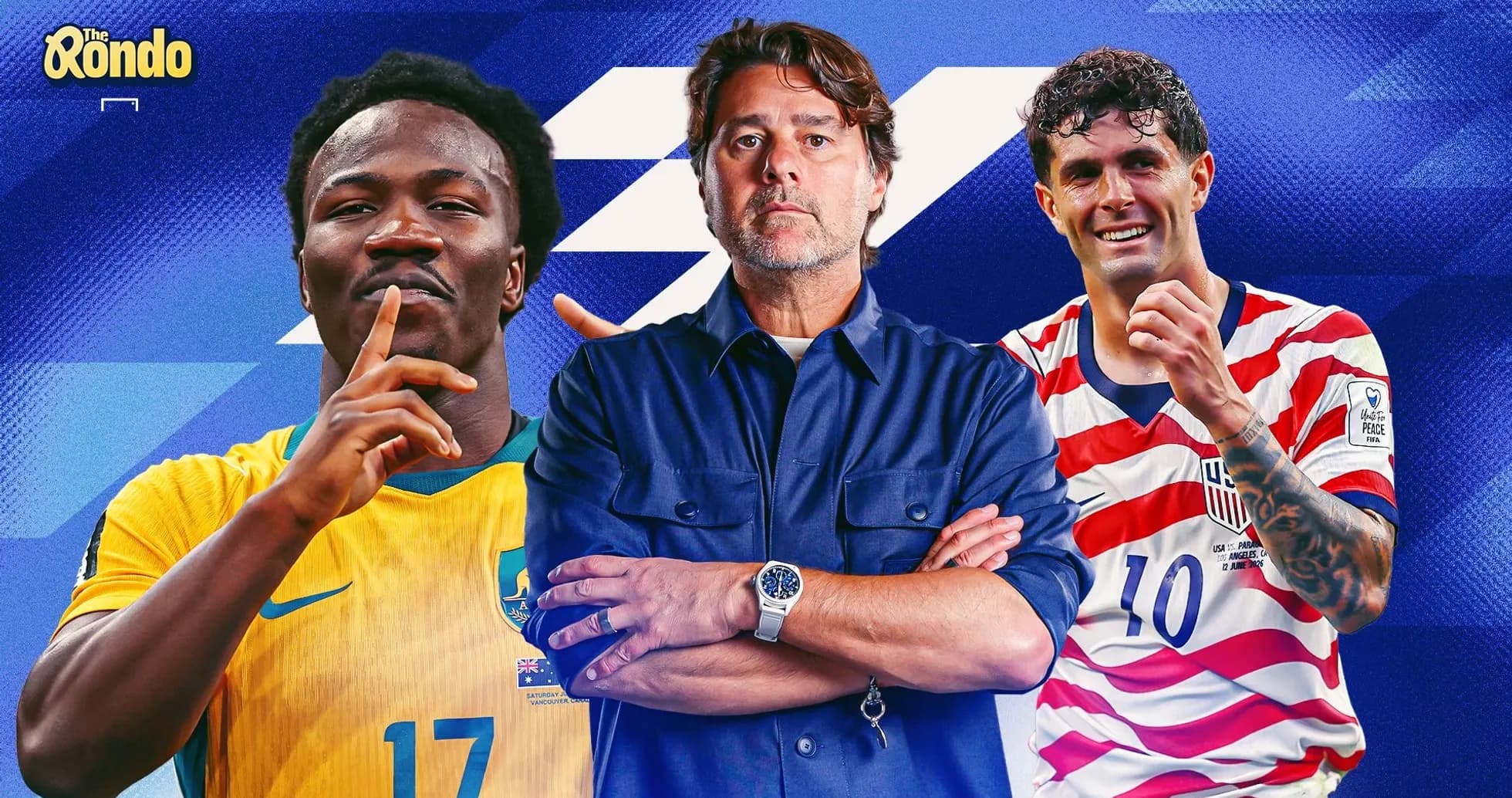
Australia have one of those in Nestory Irankunda. He flashed it against Turkey, and he brings exactly the kind of threat that has troubled the U.S. back line in recent months: raw pace, direct running, no fear. Put him in a foot race with Tim Ream and you can guess how that ends. Add in Chris Richards coming off an ankle injury and fullbacks who love to bomb on, and Irankunda suddenly looks like the one Australian who can flip this game on its head in a single moment.
On the other side, the U.S. simply have more match-winners. More ways to hurt you. That’s the difference on paper. But paper doesn’t have bruises or yellow cards or a clock ticking into the 80th minute with the score still level.
The Pulisic problem
All of that would feel more straightforward if not for one issue: Christian Pulisic.
Losing your best player is never part of the plan, and for this team, it changes almost everything. Pulisic is not just a winger or a captain or a penalty taker. He’s the player who bends games to his will, who beats a man when the structure breaks down, who turns sterile possession into panic in the box.
Ask the squad who beats defenders one-v-one. After Sergiño Dest, the answer was simple: Pulisic. He proved it on the opening goal last time out, creating the kind of moment you can’t script on a tactics board.
So Mauricio Pochettino faces a real decision. Does he roll the dice, start Pulisic, push for the win, and then try to protect him later? Or does he wrap him in cotton wool now and trust the rest of the group to finish the job without him? There’s logic both ways. There’s risk both ways.
The broader worry sits beyond Australia. This tournament feels like it could be a genuine opportunity for the U.S. to do something significant. To go deep. To change the conversation around this program. That kind of run almost certainly requires a fully firing Pulisic. Every minute he misses now hangs over what might come later.
Who steps up?
If Pulisic can’t go, or is clearly short of his best, someone else has to stretch Australia, has to make them uncomfortable. That’s where this match becomes a test of the U.S. depth that has been so heavily advertised.
Folarin Balogun is central to that. The Paraguay game was open, with lanes to run into and space to exploit. This will be more claustrophobic. Balogun will have to live in tight pockets, link play, and still be sharp enough to finish the one or two real chances that fall his way. If the U.S. attack tilts away from Pulisic, it may well tilt toward him.
Then there’s Malik Tillman. Against Paraguay, his off-ball work was outstanding, pressing, covering, connecting. With the ball, though, he left something on the table. Pochettino’s tweak—using a prototypical No. 10 as more of a No. 8—looked smart, and Tillman thrived in the spaces it created. Now comes the demand for end product. A goal or an assist here doesn’t just help the U.S.; it could transform his own confidence for the rest of the tournament.
On the other side, Mathew Ryan looms large. The veteran goalkeeper has seen most things this sport can throw at you, has operated at a high European level, and has carried a quiet confidence all week about Australia’s chances. Matt Freese barely broke a sweat against Paraguay. If this turns into the kind of knife-edge game where one save changes everything, Ryan’s experience could tilt the balance.
Stakes beyond the scoreboard
The table adds another layer of tension. Fail to win here and the group suddenly becomes a puzzle instead of a procession.
Yes, three points can still be enough to escape most groups. Technically, a setback wouldn’t be fatal. But it would damage momentum and could make topping the group extremely difficult. That, in turn, raises the prospect of a far tougher route later on—potentially even a date with Argentina. You don’t need to be a strategist to know that’s not the path anyone wants.
There’s also the bigger picture. For two decades, the U.S. have hovered on the brink of “the next step” only to slip at the crucial moment—an underperformance here, a flat night there. This tournament, and this group in particular, is supposed to be different. U.S. Soccer has invested heavily in Pochettino to prove it can be different.
Beat Australia, and the U.S. can all but lock up the group, control their destiny, and send a message that this era is about seizing chances, not letting them drift by. Fail, and the old questions resurface.
The opportunity is right in front of them. The only thing left is to take it.