Walid Ouahbi Reflects on France Match Controversy
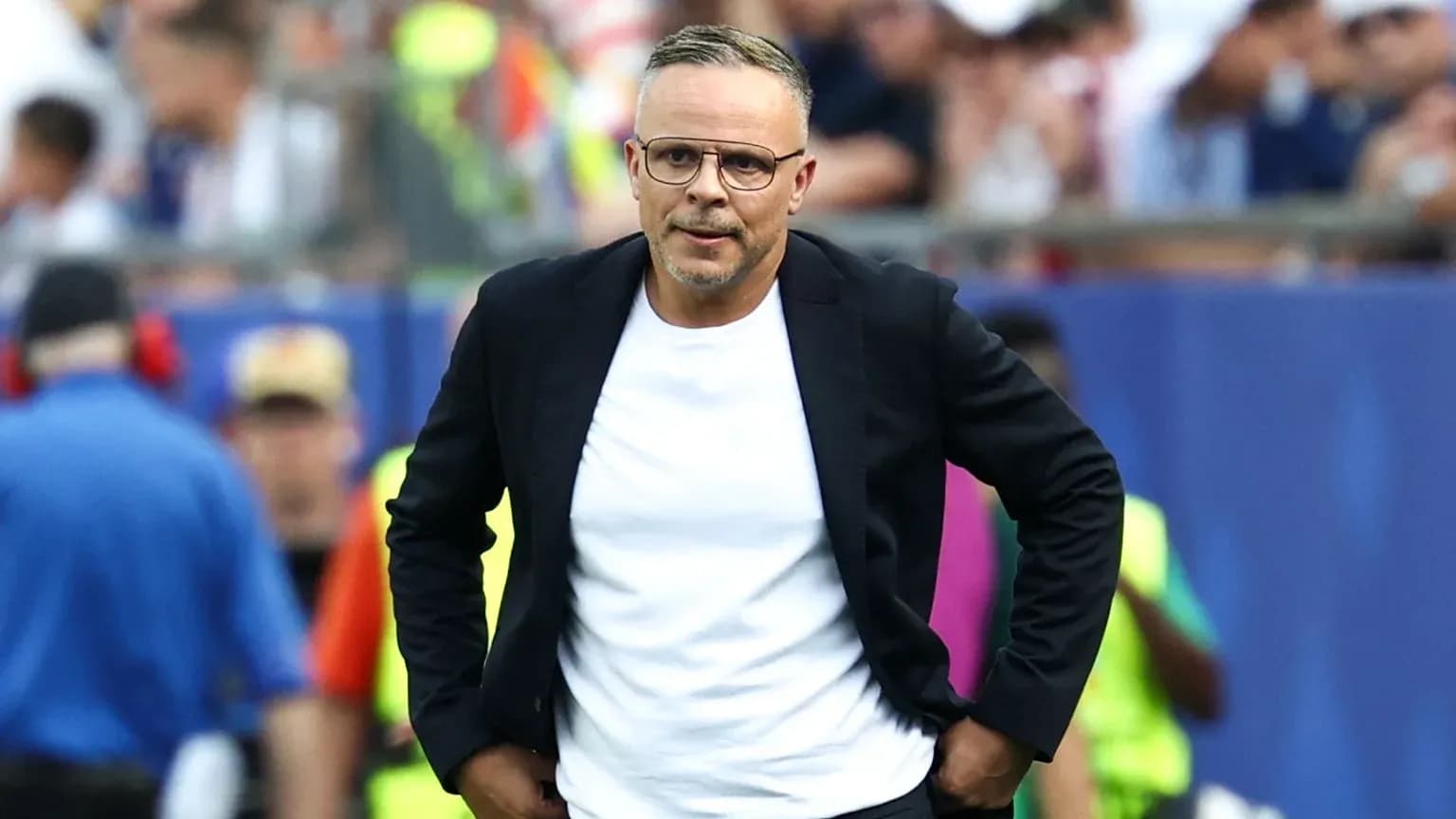
Walid Ouahbi walked away from a bruising night of football convinced the contest had turned on a single, decisive moment – and on a decision he simply could not accept.
The Morocco coach was furious that France’s opening goal was allowed to stand, adamant that Adrien Rabiot had handled the ball in the build-up before Kylian Mbappé pounced and lashed it past Yassine Bounou.
Ouahbi’s players had paused for a split second, convinced they had seen an infringement. The referee, Facundo Tello, saw nothing wrong. Play continued. Mbappé did the rest.
“The goal came from a bit of a… shared ball, some people stopped because they saw a handball,” Ouahbi told beIN Sports, still replaying the incident in his mind. “It was a handball, I don’t know if it should have been called or not, I don’t know.”
The sense of injustice lingered, yet he refused to let it tip over into excuses. The opponent, he knew, had been ruthless and relentless.
“We have to admit that we played against a very good team,” the 49-year-old said, acknowledging the gulf Morocco had to bridge for long spells. “We suffered a lot in the first half, and Bounou made a great save on the penalty.”
France pressed, probed, stretched the back line. Morocco hung on, their goalkeeper keeping them alive from the spot. For much of that first period, Ouahbi’s side looked heavy-legged, short of air and ideas.
“In the first half, it seemed like some players were catching their breath,” he admitted. The interval, though, changed the tone of the night.
The response after the break was sharper, braver, more controlled. Morocco stepped higher, kept the ball, and began to stitch together the kind of passing sequences that had been missing earlier.
“In the second half, we defended better and, above all, we were more composed with the ball. We were much better,” Ouahbi said. “We saw that these same players started the second half well.”
The improvement was clear. Passes stuck. The press had bite. France no longer strolled through midfield. Morocco, chasing the game, finally looked like themselves.
The closing minutes were punishing. Legs went again. Spaces opened. Every clearance felt like a last stand.
“It was tough at the end,” Ouahbi said, the disappointment obvious, “but I believe we must continue to believe, to work.”
His gaze quickly shifted from the controversy of the night to the broader project. The match had exposed not just the fine margins of elite football, but the fragility of a squad stretched by injuries and fatigue.
“We must also continue to work on the basics, ensuring that when there are injuries, players who are less fresh, we can have a larger pool of players,” he explained. Depth, not just desire, will decide how far this team can go.
“We will continue, we will not stop here. We are very disappointed, we wanted more, but we have to accept it.”
The anger at the handball call will fade. The lesson about how far Morocco still need to climb will not.