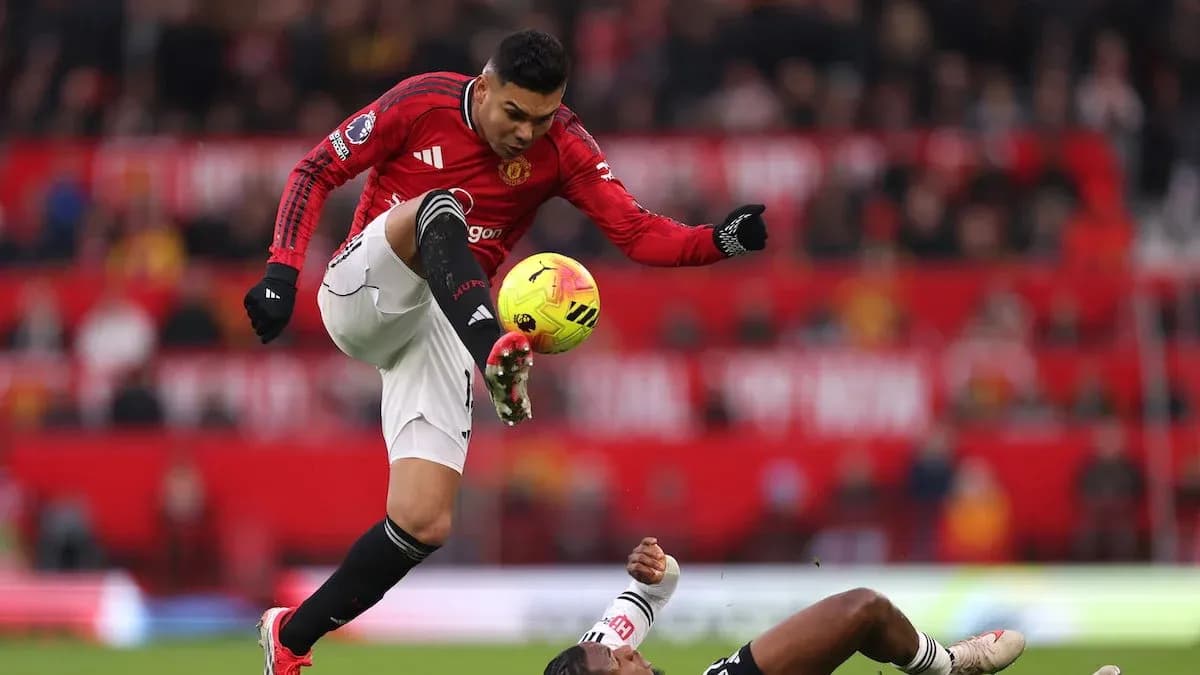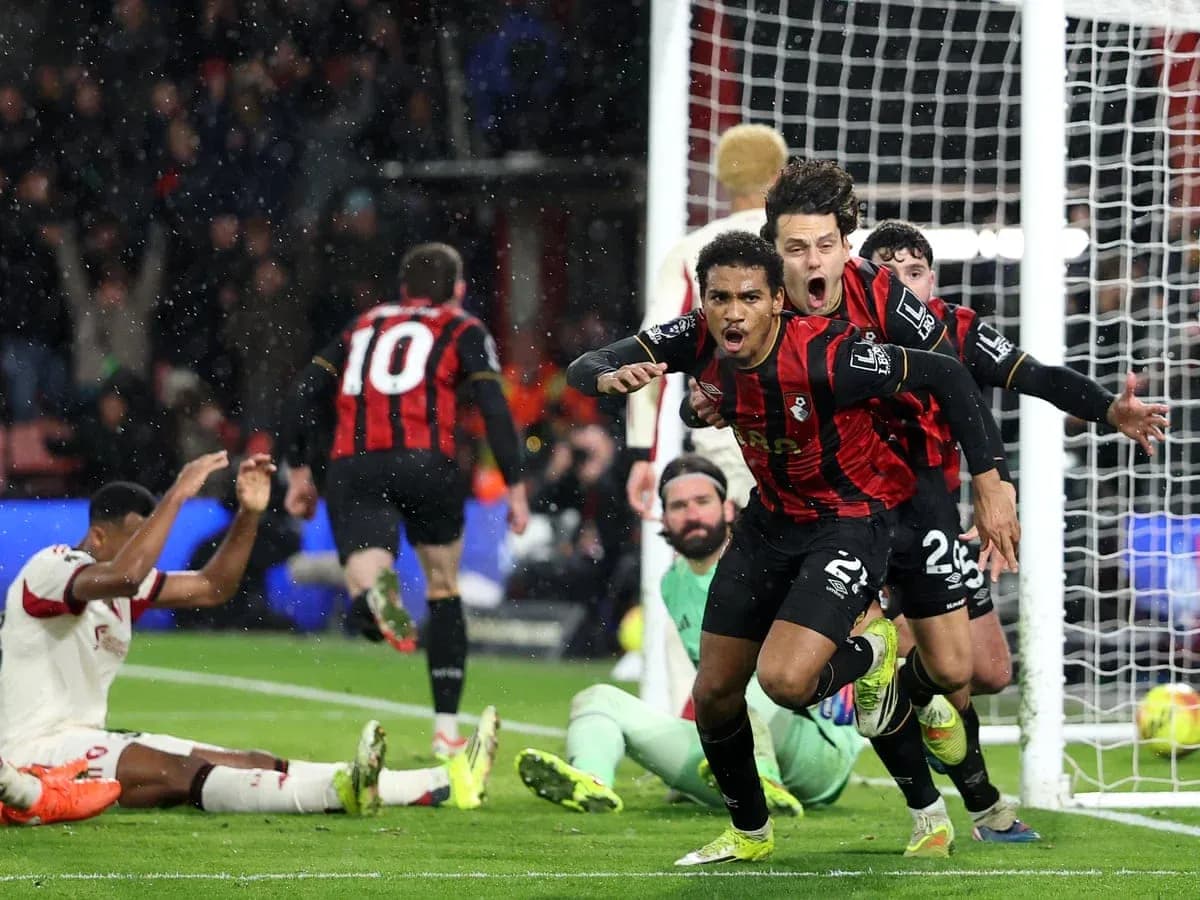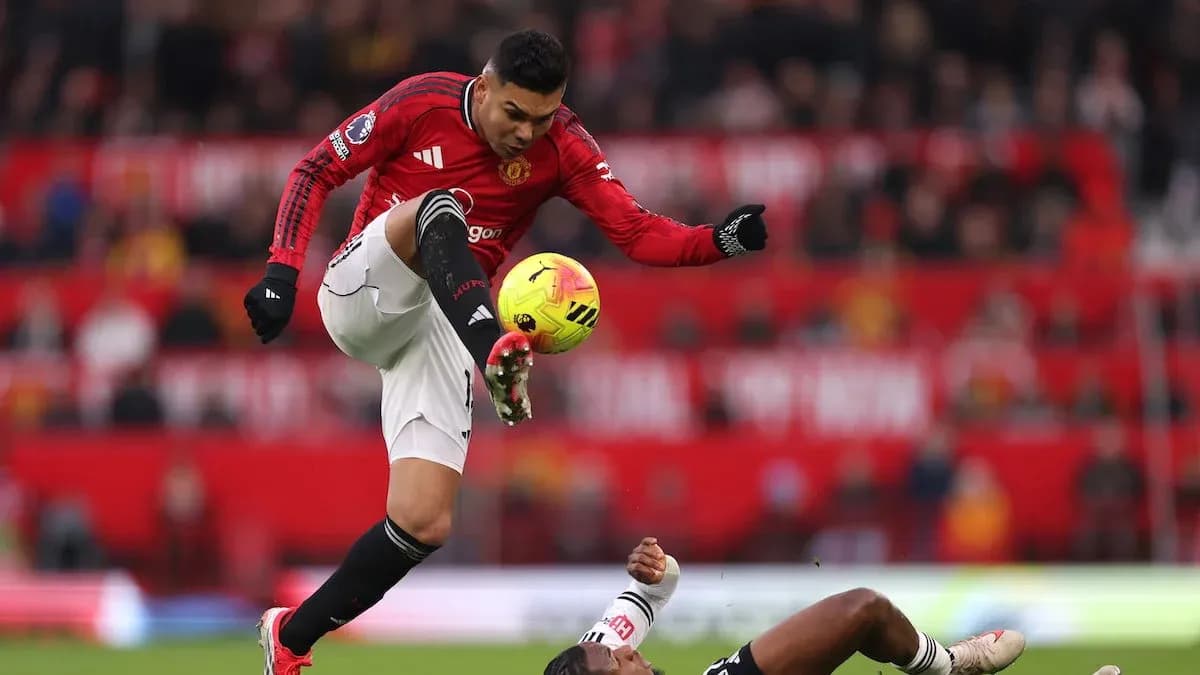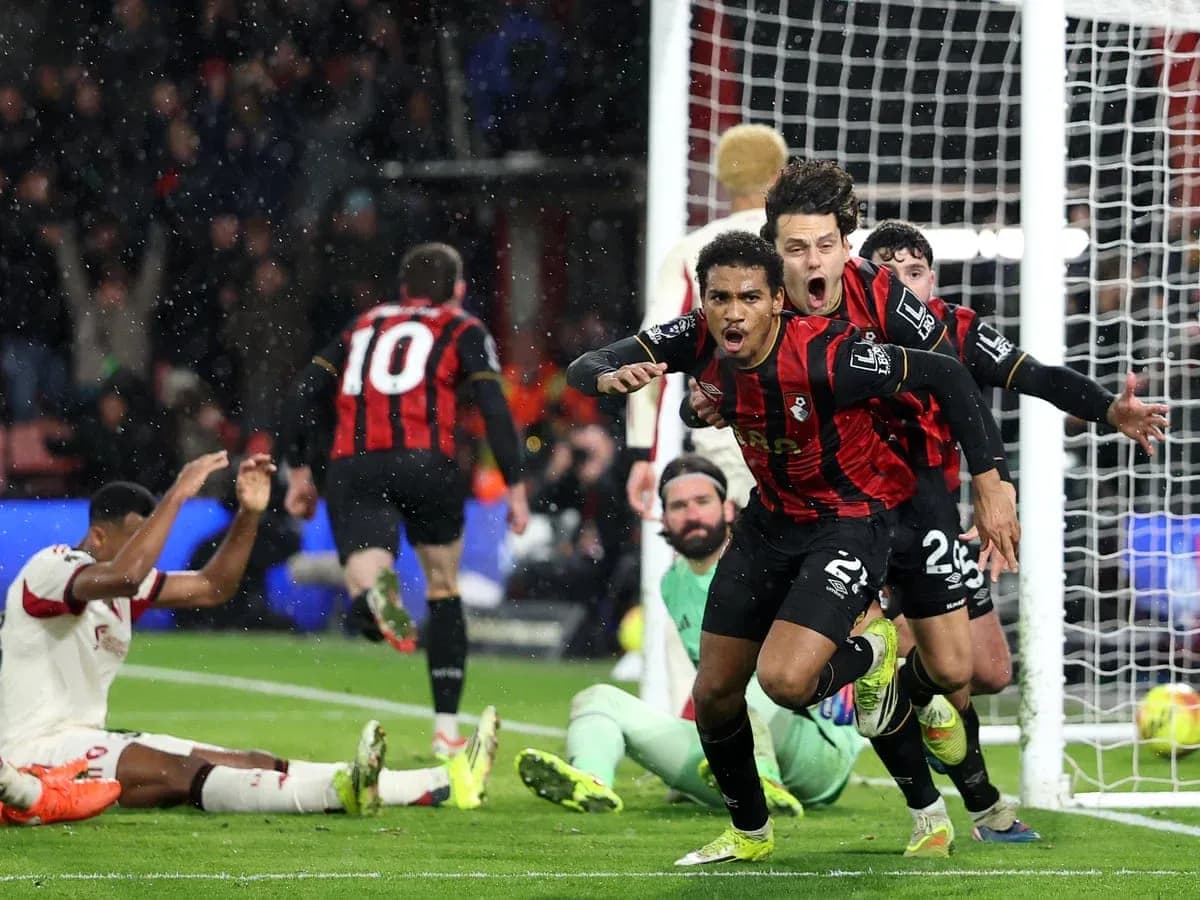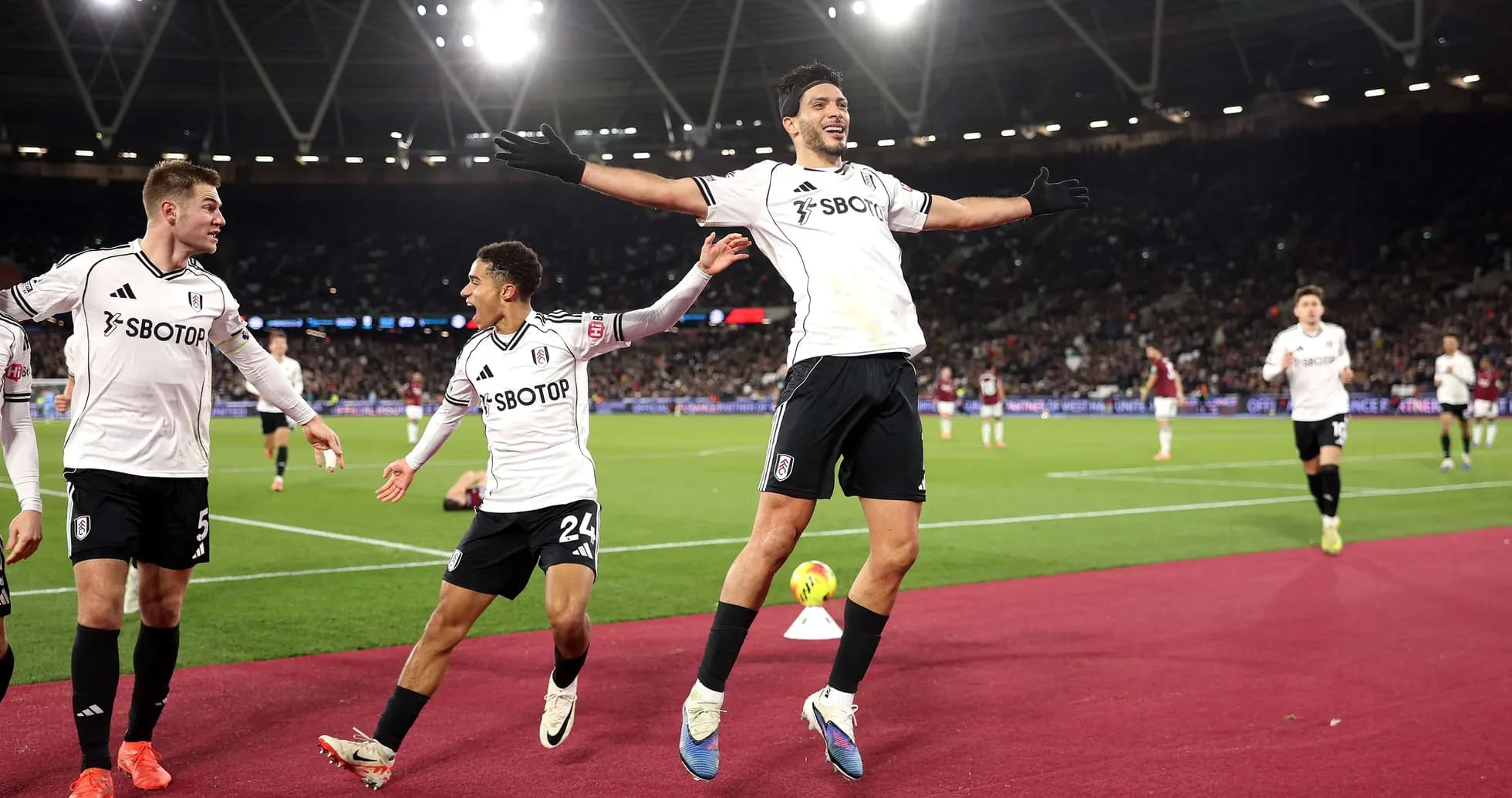
West Ham Claims Vital Win Over Fulham at Craven Cottage
Under the lights at Craven Cottage, West Ham ground out a priceless 1–0 win over Fulham in the Premier League’s 29th round, a result that lands heavy blows at both ends of the table. Crysencio Summerville’s second-half goal from open play settled a tight, nervy contest in west London, where Fulham’s dominance of the ball never translated into incision. The defeat leaves Fulham stalled in 10th on 40 points, while West Ham, starting the night 18th on 28 points and in the relegation zone, claimed exactly the kind of away scalp their survival bid demands.
First Half Analysis
Fulham, in a 4-2-3-1, immediately tried to assert themselves through Tom Cairney’s control in midfield and the wide rotations of Alex Iwobi and Samuel Chukwueze. West Ham’s 4-4-2, with Callum Wilson and Valentín Castellanos up front, was more conservative, prioritising compactness between the lines.
The first half was attritional rather than explosive. Fulham worked good zones around the box, especially via overlaps from Antonee Robinson, but their final ball repeatedly met a wall of claret-and-blue shirts. West Ham’s back four, marshalled by Jean-Clair Todibo and Axel Disasi, were aggressive in duels and happy to clear their lines early.
The game’s first flashpoint came on 17 minutes when Mateus Fernandes went into the book for a foul, a necessary tactical check on a Fulham transition. Aaron Wan-Bissaka followed on 41 minutes, cautioned for simulation as he tried to draw a decision high on the right flank. Beyond those yellow cards, chances were sparse: Fulham’s territorial edge yielded a handful of half-openings, but Mads Hermansen was rarely stretched, and the sides went in at 0–0 with the contest still defined more by structure than threat.
Second Half & Tactical Shifts
The second period erupted into life almost immediately. On 49 minutes, Fulham thought they had a route to the breakthrough when a penalty was initially signalled involving Tom Cairney, only for VAR to intervene and cancel the decision. That reversal proved a psychological turning point: Fulham’s frustration grew, while West Ham took heart.
Marco Silva moved first on 60 minutes, making a clear attacking adjustment. Raúl Jiménez went off and Rodrigo Muniz came on, a like-for-like change but with fresh legs to attack crosses. Simultaneously, West Ham sacrificed Callum Wilson for Soungoutou Magassa, a midfielder replacing a forward that signalled a tilt towards greater midfield density and defensive control.
Fulham doubled down on creativity at 61 minutes, with Cairney replaced by Oscar Bobb and Joshua King making way for Emile Smith Rowe. The hosts now had more dribblers and ball-carriers between the lines, but their structure became looser.
West Ham pounced on that looseness. On 65 minutes, Jarrod Bowen broke into space on the right and delivered a precise ball for Summerville, who finished from open play to give the visitors a 1–0 lead. It was a classic counter-punch: patient defending followed by ruthless exploitation of the first real gap.
Chasing the game, Fulham reshaped their right flank on 82 minutes. Kenny Tete was replaced by Timothy Castagne, and Sander Berge made way for Ryan Sessegnon, an attacking gamble that added another forward-thinking runner from deep. West Ham responded with further game management: at 88 minutes, Castellanos departed and Adama Traoré entered to stretch the pitch on the break.
Deep into stoppage time, David Moyes’ side locked things down even further. At 90+2', Todibo was replaced by Konstantinos Mavropanos, and Fernandes came off for Mohamadou Kanté, fresh defensive legs to see out the siege.
The closing stages were fractious. Calvin Bassey saw yellow at 90+1' for a foul, while both Antonee Robinson and Kanté were booked for dissent at 90+9'. Bowen was cautioned for time wasting at 90+10' as West Ham clung on. Fulham pushed, but Hermansen and his back line held firm through a flurry of late balls into the box.
Statistical Deep Dive
Fulham’s 60% possession underlined how they controlled territory, yet West Ham’s 40% share reflected a side focused on structural control rather than ball dominance. The passing numbers told a similar story: Fulham attempted 555 passes, completing 462 (83% accuracy), while West Ham completed 299 of 374 (80%). Fulham moved the ball more, but not necessarily more dangerously.
In the final third, the margins were razor-thin. Fulham’s 13 total shots, including 5 on target, outstripped West Ham’s 9 shots and 3 on target, but the xG story was almost level: 1.01 for Fulham against 1.09 for West Ham. The visitors generated slightly higher-quality chances from fewer efforts, emblematic of a counter-attacking side picking their moments. Defensively, West Ham’s 4 blocks on Fulham attempts were pivotal in preserving their lead, while Fulham managed 2 blocks at the other end.
Discipline was another subplot. Fulham committed 14 fouls to West Ham’s 12, and both back lines flirted with the edge. The hosts finished with two yellow cards, both late, as frustration seeped in. West Ham’s four bookings – Fernandes, Wan-Bissaka, Bowen and Kanté – illustrated the cost of their combative approach and time-management in the closing minutes, but they never crossed into red-card territory.
Standings & Implications
For Fulham, stuck on 40 points in 10th place, this defeat checks any momentum towards the European conversation and reinforces the inconsistency shown by their recent “LWWLL” form line. West Ham’s win, arriving with them 18th on 28 points and marked as in the relegation zone, is season-defining in tone if not yet in table position. Beating a mid-table side away, and doing so with defensive resilience and clinical counter-attacking, strengthens their belief that survival remains firmly within reach.