World Cup Quarter-Finals: England vs Norway and Other Key Matchups
The World Cup has reached the stage where stories narrow and stakes sharpen. For England, Norway, Belgium and Switzerland, the narrative now is simple: survive the quarter-finals or be swallowed up by the churn of this wild tournament. For the rest, it’s the uneasy mix of pride, regret and what-ifs that only a World Cup can leave behind.
England: statement made, problems mounting
England arrive in the last eight with momentum and a migraine.
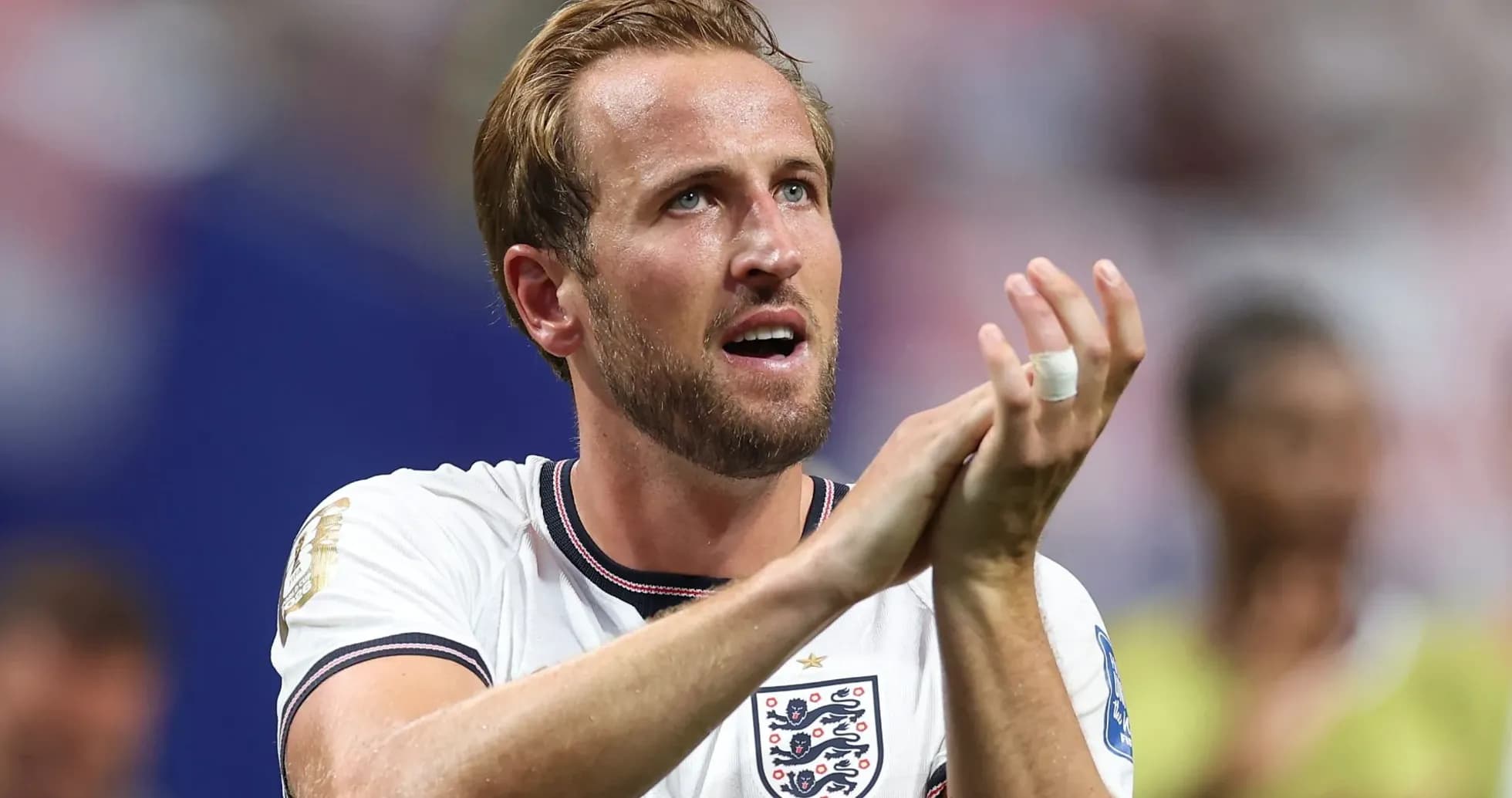
The 2-0 win over Mexico in the last 16 was more than a result; it was a flex. Beating the co-hosts at the Azteca, a ground where Mexico simply do not lose at World Cups, carried the weight of a declaration. Jude Bellingham and Harry Kane, already deep into outstanding tournaments, drove England forward again. The real story, though, was at the back.
Jordan Pickford was sharp, decisive, almost defiant. Dan Burn came off the bench and played like a man who had been waiting his whole life for that kind of night. Even after Jarell Quansah’s red card before the hour, England dug in, absorbed the aerial bombardment and refused to crack.
Now comes the price. Quansah’s dismissal has earned him a two-game ban, ruling him out of both the quarter-final against Norway and any potential semi-final. Around him, the treatment room is getting busy: Marc Guehi, Declan Rice and Reece James are all injury concerns heading into Saturday.
So Thomas Tuchel prepares for Erling Haaland with a reshuffled defence and a reduced margin for error. It is exactly the kind of tie England would have accepted in a heartbeat at the start of the tournament. It no longer feels straightforward.
Norway: Haaland drags a nation into new territory
Norway have waited a generation for a team like this. Now they have the most ruthless striker on the planet dragging them into places they have never been.
Against Brazil, they did not blink. Haaland’s double carried them to their first-ever World Cup quarter-final and underlined a simple truth: with him on the pitch, no opponent can feel safe. Every long ball, every turnover, every half-space run carries danger.
Behind him, Orjan Nyland continues to play as if possessed. He is not just making saves; he is changing games. Martin Odegaard, meanwhile, dictates tempo with the assurance of a player who sees the game half a second earlier than everyone else. Norway are comfortable on the ball, happy without it, and physically equipped to go toe-to-toe with anyone.
Now Manchester City’s Haaland and Arsenal’s Odegaard walk into a quarter-final against England full of familiar faces, Premier League duels transplanted onto the biggest stage. England have the pedigree. Norway have the striker no one wants to face.
Belgium: written off, then reborn
Belgium were supposed to be done. The generation that once carried the “golden” label looked tarnished after drab showings against Egypt and Iran. Then something shifted.
A 5-1 demolition of New Zealand to close the group stage felt like a release of pressure. The improbable comeback against Senegal in the round of 32 turned into a statement of resilience. By the time they had swept aside the United States in the last 16, the narrative had flipped: Belgium, supposedly past it, are now on a roll.
The question is whether that roll can flatten Spain.
Their task has been complicated by the loss of Amadou Onana. The Aston Villa midfielder has suffered an anterior cruciate ligament injury, stripping Belgium of a powerful presence in the middle of the pitch just as the tournament tightens. For a side already trying to prove they still belong among the elite, it is a brutal blow.
Switzerland: history made, Argentina next
Switzerland are usually the team others overlook until they suddenly appear in the knockouts, stubborn and hard to shift. This time, they have gone further than at any point since 1954.
They edged Colombia on penalties in the last 16 to win their first World Cup shootout and reach their first quarter-final since hosting the tournament 70 years ago. It was not pretty, and it was not meant to be. Without Johan Manzambi — three goals and two assists before injury — their creativity dimmed. Just two shots on target told its own story.
What did not fade was their organisation. They closed space, stayed compact, and dragged the game into the kind of attritional contest they relish. Colombia had the better chances; Switzerland had the cooler heads.
Next comes Argentina. Another giant, another test of nerve. They will back themselves to drag Lionel Messi and the world champions into the same kind of grind and see who blinks first.
Morocco: history, then a hard stop
Morocco could not repeat the miracle of 2022, but they did something no African side had ever done before: reach successive World Cup quarter-finals.
They navigated a gentle group, holding Brazil to a draw in their opener, then edged past the Netherlands on penalties. Against co-hosts Canada, they were ruthless, winning 3-0 despite registering only five attempts on goal. Efficiency, not volume, defined them.
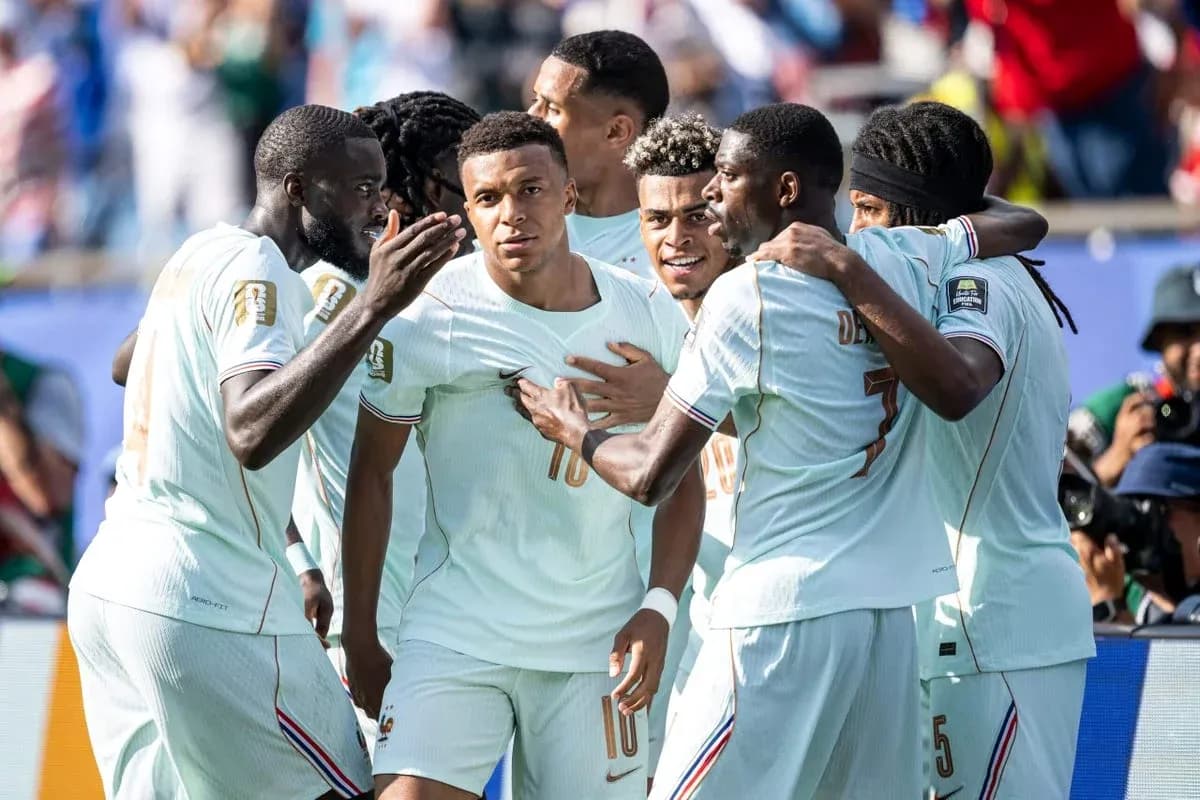
France ended the run. Morocco struggled to lay a glove on a star-laden side and sorely missed the injured Ismael Saibari, whose absence robbed them of a cutting edge up front. The performance disappointed, but the wider picture did not. Under the weight of expectation from home, they still left with credit and a place in the sport’s modern history.
Paraguay: one famous night, one step too far
Paraguay’s World Cup will be remembered for one game above all: beating Germany in the last 32, one of the great nights in their footballing history.
Replicating that shock against France proved beyond them. They barely troubled Didier Deschamps’ side, yet remained awkward, organised opponents who hinted at a blueprint for how better teams might frustrate the French later on.
For a side that began by being dismantled 4-1 by the United States, this was a tournament that grew in stature as it went. They leave with their reputation enhanced.
Mexico: fortress Azteca finally falls
For Mexico, the World Cup on home soil ended in heartbreak and history of the wrong kind.
They arrived in the last 16 without conceding a goal. They left it beaten at the Azteca for the first time at a World Cup, their 10-match unbeaten run in the stadium shattered by Bellingham’s quickfire double for England.
Even after Quansah’s red card, the door stood open. England were down to 10, the crowd was roaring, and Mexico hurled cross after cross into the box. None of it cut through. They lacked the attacking quality to match their opponents in the decisive moments.
Julian Quinones, with four goals in five games, emerges as the lasting memory from this team. The regret will be how close they came to something greater.
Colombia: promise, then penalties
Colombia leave with the nagging sense of a chance missed.
They created the better openings against Switzerland in the last 16, carried more threat, and still lost on penalties. A potential quarter-final against Argentina, and the shot at revenge for defeat in the Copa America final two years ago, slipped away from 12 yards.
The group stage had hinted at a deeper run. They outplayed Portugal in a goalless draw to top Group K, then beat Ghana in the round of 32. The quality was there, the belief was there. The tournament, in the end, was not.
United States: momentum lost, questions remain
The United States arrived in the knockouts with optimism. A strong group stage and a composed win over Bosnia and Herzegovina in the last 32 suggested a team ready to finally go toe-to-toe with Europe’s best on home soil.
Belgium tore that idea apart.
Even with the controversy around Folarin Balogun’s involvement hanging over them, the manner of the defeat stung. They were comfortably beaten, outplayed and out-thought, another reminder of the gap that still exists against top-ranked European opposition.
How much the Balogun saga affected them may never be clear. What is clear is that this was not the performance they expected of themselves at their own World Cup.
Egypt: underachievers no more
Egypt arrived with the label of World Cup underachievers. They leave having shaken it off.
They claimed their first World Cup win against New Zealand, then their first knockout victory by beating Australia on penalties in the round of 32. Against Argentina in the last 16, they went further still, leading the reigning champions for most of the match and threatening constantly on the counter.
At 2-0 up, game management deserted them. They could have tightened up, slowed the tempo, played the clock. Instead, they were overrun late on and saw a famous win ripped away. The ending was brutal. The journey, though, was historic.
Canada: progress or illusion?
Canada’s World Cup sits awkwardly between achievement and doubt.
On one hand, they earned their first-ever World Cup point and reached the knockout stage for the first time. On the other, their only wins came against Qatar and South Africa in a forgiving group. When the level rose, they fell 3-0 to Morocco in the last 16, undone only after wasting a string of first-half chances.
Years of investment were meant to build a side worthy of a host nation. Whether this run truly validates that work is open to debate. The more important legacy may be if Canada now become regulars on this stage.
Cape Verde: the tournament’s romantic tale
Cape Verde were never meant to be here, let alone to leave this kind of imprint.
They drew 0-0 with European champions Spain, then somehow finished above Uruguay to reach the last 16, drawing all three group games. Against Argentina, they saved their best for last, twice coming from behind against Messi and the world champions in a match that felt like a fable.
Goalkeeper Vozinha became one of the breakout stars of the World Cup, making eight saves, including a superb one-on-one stop to deny Messi. Roberto “Pico” Lopes anchored the defence with calm authority. Full-back Sidny Lopes Cabral produced the moment of the day, curling in from an implausible angle with a strike that will sit among the contenders for goal of the tournament.
They depart with hearts captured and reputations transformed.
Brazil: another era without the trophy
Brazil go home with a familiar emptiness.
Five-time champions, the World Cup’s most successful nation, will reach 28 years without lifting the trophy by the time of the next edition — their longest drought. Even Carlo Ancelotti could not prevent a rare round-of-16 exit.
Against Norway, they were too passive, second-best in intensity and belief against opponents they have still never beaten in five meetings. Neymar came off the bench and scored a consolation penalty, but the night will be remembered for the wrong reasons: his trash-talking of Nyland, his clash with Odegaard, and his tears at the final whistle.
This was not the ending Brazil had imagined for this cycle.
Portugal: one last World Cup for Ronaldo
Portugal’s World Cup flickered rather than burned.
They only truly looked a level above their opponents once, in the 5-0 dismantling of debutants Uzbekistan. In the last 16 against Spain, Roberto Martinez’s side drifted, trapped in a lull, and only sprang to life after conceding a stoppage-time goal. By then, it was too late.
Cristiano Ronaldo scored at a record sixth World Cup and finally found a knockout goal with his penalty against Croatia. From open play, he looked a shadow of his former self. This, almost certainly his final appearance on this stage, ends with a whimper rather than a roar.
Netherlands: penalties, regret and resignation
The Netherlands looked like contenders in the group stage. A 5-1 win over Sweden showcased an attack built around Cody Gakpo, Brian Brobbey and Crysencio Summerville that seemed capable of hurting anyone.
Then came Morocco in the last 16. Faced with another top-10 side, Ronald Koeman switched to a back five. It worked to a point — Morocco needed a late equaliser — but the shift raised an uncomfortable question: why abandon the approach that had brought group-stage success?
The shootout answered nothing and ended everything. The Netherlands missed three of their five penalties and went out. Koeman resigned soon after. The sense of a chance wasted will linger.
Germany: another early exit, another inquest
Germany’s World Cup followed a now-familiar pattern: promise, then collapse.
They thrashed Curacao and edged the Ivory Coast late on, but a 2-1 loss to Ecuador with something close to their strongest XI on the pitch raised alarms. Paraguay finished the job in the last 32, surviving extra time and seeing Jonathan Tah’s late goal ruled out for blocking the goalkeeper.
Given Paraguay had been hammered 4-1 by the United States earlier in the tournament, the defeat cut deep. This is now a sequence of early exits stretching back to their 2014 triumph, including two group-stage eliminations.
Even the penalty spot, once Germany’s safest ground, deserted them: this was their first World Cup shootout defeat. Julian Nagelsmann has since stepped down. The soul-searching will be long.
Japan: charm, injuries and a late sting
Japan once again won admirers.
They played with verve and selflessness in the group stage, an egoless, fast-paced style that many believed would trouble Brazil in the last 32. It did. Kaishu Sano gave them the lead and for long spells they matched Brazil’s energy.
In the end, Brazil’s attacking depth told, with an added-time winner breaking Japanese resistance. Injuries to Kaoru Mitoma, Takefusa Kubo and Wataru Endo before and during the tournament left a nagging sense of what might have been.
Senegal: collapse from the brink
Senegal were minutes from the quarter-finals.
They led Belgium 2-0 in the 86th minute of their round-of-32 tie and still contrived to lose, Youri Tielemans’ extra-time penalty completing a comeback that left Senegal’s players in tears. It came just months after they were stripped of their AFCON title, compounding the hurt.
The meltdown overshadowed the quality they showed. Ismaila Sarr’s chest-and-volley strike was one of the goals of the tournament, and they pushed both Belgium and France hard for long spells. The rawness of this exit will take time to fade.
Ivory Coast: promise, but no punch
Ivory Coast’s campaign ended with frustration rather than failure.
They lost only to Germany in the group stage and Norway in the round of 32, beating Ecuador and Curacao to underline their status as one of the best of the rest. With the youngest squad at the tournament, their ceiling sits high.
Amad excelled, scoring a winner against Ecuador and a brilliant solo effort versus Norway. Yan Diomande flashed the kind of talent that could earn him a major move this summer. Yet none of their strikers scored. That lack of a central goal threat proved decisive, piling too much responsibility on Amad and Diomande to both create and finish.
Croatia: the end of an era?
Croatia’s remarkable World Cup run — runners-up in 2018, third in 2022 — ended in the round of 32 with a late defeat to Portugal.
They had recovered from a 4-2 loss to England in their opener to finish second in Group L, beating Panama and Ghana. But there was no deep run this time, no extended dance with destiny.
Attention now turns to Luka Modric. At 40, the 2018 Ballon d’Or winner may have played his final international match. If this is the end, Croatia lose an irreplaceable heartbeat.
Sweden: from rock bottom to respect
Sweden arrived in crisis, having finished bottom of their qualifying group behind Kosovo, Slovenia and Switzerland without a win. Under Graham Potter, they rebuilt quickly.
They beat Ukraine and Poland in the play-offs, thrashed Tunisia 5-1 in their opener and drew with Japan. The improvement was clear, even if their journey ended in the last 32 against France. With Alexander Isak, Viktor Gyokeres and Anthony Elanga in the squad, the demand now is consistency to match their talent.
Ecuador: defence without a cutting edge
Ecuador brought defensive steel but too little threat.
They scored only twice in four games, both goals coming in a 2-1 win over Germany that became their tournament highlight. They could not break down Curacao, and in the knockouts they were undone by Mexico’s ruthless edge in front of goal.
Enner Valencia, now 36, never truly sparked. Their other stars — Moises Caicedo, William Pacho and Piero Hincapie — are all defensive pillars. Hincapie’s late red card against Mexico, for covering his mouth in a confrontation, summed up a campaign that never quite caught fire.
Ghana: ranking defied, foundations laid
Ghana arrived as the 73rd-ranked team in the world, the second-lowest at the tournament. That always felt wrong, and they proved it.
A win over Panama set them up, and a battling 0-0 draw with England — in which they were desperately unlucky not to win a late penalty — sealed progression. Colombia’s quality eventually overwhelmed them in the knockouts, especially without the injured Mohammed Kudus to provide attacking spark.
Even so, this felt like a reset. After years of inconsistency, Ghana leave with a platform to build on.
Austria: back on the big stage, but exposed
Austria squeezed into the knockouts with late drama against Algeria, then ran into a wall.
Spain brushed them aside in the round of 32, exposing a side that could threaten in bursts but struggled to hold its shape against elite opposition. They had shown attacking promise in the group, scoring three times in two separate matches, but also faced Argentina and Spain — a harsh reintroduction at their first World Cup since 1998.
Australia: spirit intact, ceiling in sight
Australia once again punched above their weight.
Their 2-0 win over Turkey was one of the tournament’s early shocks, born from organisation and ruthless counter-attacking. Tony Popovic’s side continued to fight, clawing back to level terms against Egypt after falling behind, but lacked the finishing edge to go further.
Eliminated on penalties by Egypt, they still reached the knockout stage in successive tournaments. The pattern is clear: spirit is not the issue. Turning heart into higher ceilings is the next challenge.
Algeria: caught between generations
Algeria’s exit in the round of 32, after a flat performance against Switzerland, underlined the sense of a team between eras.
Riyad Mahrez, at 35, finally scored his first World Cup goals, a personal milestone. Younger talents such as Anis Hadj Moussa showed promise on the flanks. Yet too many key players sit either side of their prime, and compared with Senegal, Ivory Coast and Morocco, Algeria looked a step behind in quality.
DR Congo: a debut to remember
At only their second World Cup — and first since appearing as Zaire in 1974 — DR Congo made the knockouts for the first time.
A draw with Portugal and a win over Uzbekistan carried them through as one of the best third-placed teams. Against England in the last 32, they struck first through Brian Cipenga and for a while threatened a seismic shock. Goalkeeper Lionel Mpasi looked set to join Vozinha and Eloy Room among the tournament’s cult heroes before England finally broke through.
Even in defeat, DR Congo left a vivid impression.
Bosnia and Herzegovina: first steps, lasting memory
Bosnia and Herzegovina’s campaign delivered a landmark: their first knockout match as an independent nation.
A win over Qatar and a draw with Canada were enough to take them through before the United States ended their run. Whatever the disappointment, they will always have the memory of beating Italy in the UEFA play-offs to get here.
South Africa: so close to something bigger
South Africa’s journey ended in stoppage time, and that is where the regret lies.
After losing their opener to Mexico, few expected them to escape the group. They did, reaching the knockout phase for the first time. Against the co-hosts, they were seconds from taking the tie to extra time and perhaps penalties. The late goal that knocked them out will sting for a long time.
Hugo Broos departs as the oldest man to coach a team in a World Cup knockout game. He leaves with history made, and a sense of what might have been.
Iran: unbeaten, but out
Iran’s elimination might be the cruellest of the tournament.
They thought they had found an added-time winner against Egypt, only for a marginal offside to rule it out. They hit the crossbar even later. Victory would have guaranteed progression. Instead, they were left watching other results, hoping their three points and neutral goal difference would be enough.
For a moment, it was. When Algeria scored what looked like a last-gasp winner in their final group game, Iran were going through. Austria’s equaliser in the dying seconds changed everything and knocked them out.
All this came amid unprecedented circumstances: in military conflict with co-hosts the United States, forced initially to fly in and out of the country around matches before that decision was reversed. To leave without losing a game will hurt for a long time.
New Zealand: a new name, a familiar target
New Zealand’s World Cup will be remembered for Elijah Just’s three goals and those delicate Chris Wood touches against Iran in the opener.
From there, the climb proved too steep. Egypt and Belgium overpowered them, exposing the gulf in quality. Still, they returned to the World Cup for the first time since 2010 and produced their own viral moment through Tim Payne.
The objective remains unchanged: reach the knockouts for the first time.
Turkey: expectations shattered
Turkey arrived with expectations, and leave as one of the tournament’s biggest disappointments.
Most predicted they would advance ahead of Australia and Paraguay. Instead, they were out with a game to spare. A 3-2 win over the United States in their final match salvaged some pride, delivering their first goals of the tournament, but not their campaign.
Uruguay: self-inflicted damage
Uruguay’s group-stage exit was as much their doing as anyone else’s.
After taking only two points from Saudi Arabia and Cape Verde, they needed a result against Spain and never truly looked like getting one. This from a side that had finished level on points with Brazil and Colombia in qualifying.
A goalkeeping error and a red card completed Marcelo Bielsa’s nightmare. Uruguay imploded at the end of a bitterly disappointing tournament.
Saudi Arabia: regression with a caveat
Saudi Arabia could not match their previous World Cup outings in 2018 and 2022, when they won group games. They have only once reached the knockouts, back in 1994, and that wait continues.
Yet they were stubborn, earning two draws and proving hard to beat. With the rapid growth of their domestic league and a home World Cup to come in 2034, this may be the low plateau before another climb.
South Korea: step backwards
South Korea started brightly, beating the Czech Republic 2-1, and then faded badly.
Back-to-back defeats to Mexico and South Africa without scoring left them on three points and minus one goal difference, not enough to progress as one of the best third-placed sides. It marked a regression from 2022, when they advanced ahead of Uruguay and Ghana.
Captain Son Heung-min struggled to influence games and was dropped for the final group match. The questions will not be gentle.
Scotland: 28 years for this
Scotland waited 28 years to return to the World Cup. Their stay was painfully short.
A win over Haiti gave them three points, but a 3-0 defeat to Brazil left them with a minus-three goal difference that proved fatal in the race for best third-placed teams. Their fate was sealed by results elsewhere, and Steve Clarke resigned after seven years in charge.
The drought is over. The disappointment is not.
Curacao: smallest nation, big impression
Curacao, the smallest nation ever to play at a World Cup, leave with more than just a story.
They earned a point against Ecuador thanks to goalkeeper Eloy Room’s heroics and celebrated their first World Cup goal through Livano Comenencia. After a 7-1 hammering by Germany in their opener, they steadied themselves and gave a respectable account in defeat to Ivory Coast.
For a debut, this was no embarrassment.
Czech Republic: fight to qualify, flat on the stage
The Czech Republic fought their way through European play-offs, beating the Republic of Ireland and Denmark, only to underwhelm when they got to the main event.
They took just one point — against South Africa — and finished bottom of Group A. Needing a win against Mexico in their final game, they instead fell 3-0. The gap between the journey to the World Cup and the performance at it was stark.
Uzbekistan: harsh lessons, harsh scorelines
Uzbekistan’s first World Cup was unforgiving.
They lost all three matches, but not without moments. They pushed Colombia and even led against DR Congo. Facing Portugal, they became part of Ronaldo’s history, conceding as he scored at a sixth World Cup in a 5-0 defeat.
Despite Fabio Cannavaro in the dugout, they conceded 11 goals in three games. That defensive fragility left them with no platform to spring a surprise.
Panama: no goals, but progress
Panama go home as the only team not to score at this World Cup. That statistic obscures some quiet progress.
They were competitive in all three games, losing by just a single goal to Ghana and Croatia before a 2-0 defeat to England when they were already eliminated. It was a marked improvement on 2018, when they shipped 11 goals.
Add even a modest attacking threat to that resilience, and the foundation is there.
Jordan: debut marked by goals, not control
Jordan’s first World Cup ended with a game to spare after losses to Austria and Algeria, but they did not leave quietly.
They scored in all three matches, including against Argentina in their final outing, yet never managed to stifle opponents the way some fellow debutants did. Without a standout goalkeeping performance to lean on, their defensive shortcomings were laid bare.
Haiti: joy in defeat
Haiti’s return to the World Cup for the first time since 1974 ended in the group stage, but not without colour.
Already eliminated when they faced Morocco, they played with freedom and lost 4-2 in a wild contest. Sunderland’s Wilson Isidor produced a goal to remember, a bright flash in a tough campaign that also included meetings with Brazil.
Next time, they will hope for a kinder draw — and fewer top-10 opponents.
Qatar: from promise to collapse
Qatar’s campaign began with a respectable draw against Switzerland and ended in disarray.
A 6-0 defeat to Canada, featuring two red cards, ranked among the worst performances of the group stage. A 3-1 loss to Bosnia and Herzegovina confirmed their elimination. Julen Lopetegui could not steady a side that failed to build on that opening point.
Iraq: outclassed, but not silent
Iraq were dropped into a brutal group, facing Haaland and Kylian Mbappe, and never came close to matching their opponents.
Their highlight came against Norway, when captain Aymen Hussein scored shortly after being held for several hours by U.S. immigration officials on entry to the country. It was a brief moment of defiance in a campaign that ended with a 5-0 defeat and an early red card against Senegal.
Back at the World Cup for the first time since 1986, they leave knowing the gap they must close.
Tunisia: nothing to cling to
Tunisia endured a miserable tournament from start to finish.
A 5-1 opening loss to Sweden cost Sabri Lamouchi his job. Herve Renard came in and could not stem the bleeding, with heavy defeats to Japan and the Netherlands following. They finished with a minus-10 goal difference, worse even than Iraq.
No consolation, no near-miss, no heroic draw. Just a hard reset ahead.
Now the field tightens. England, patched up and braced for Haaland. Norway, riding the confidence of a striker who bends tournaments to his will. Belgium, defiant in the face of time. Switzerland, unflashy and unafraid of giants.
The quarter-finals rarely forgive. Which of these stories still has chapters left to write?