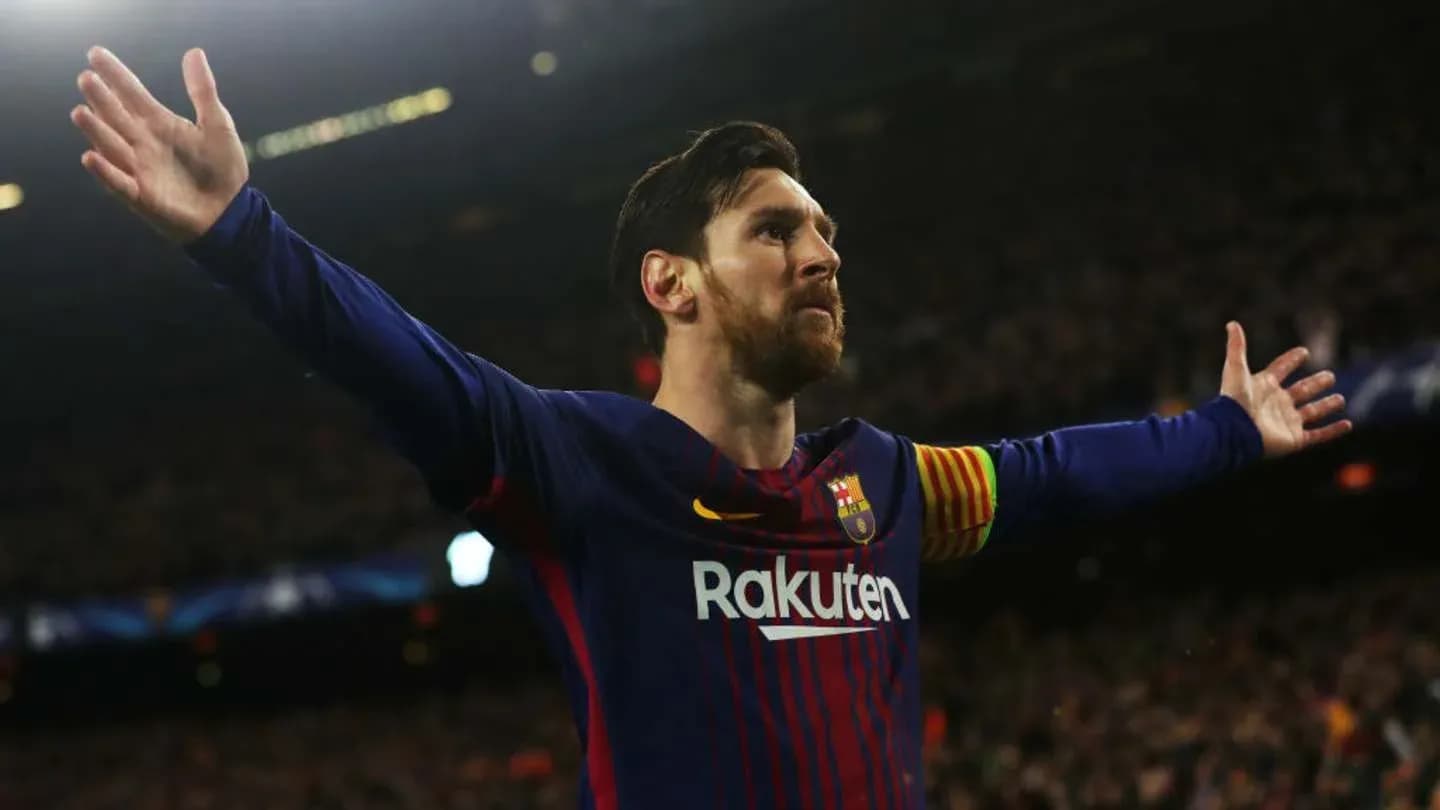
Xavi Reveals Failed Reunion of Messi, Neymar, and Pedro at Barcelona
Xavi Hernández has pulled back the curtain on just how ambitious his rebuilding plans at Barcelona really were – and how brutally they collided with the club’s politics and finances.
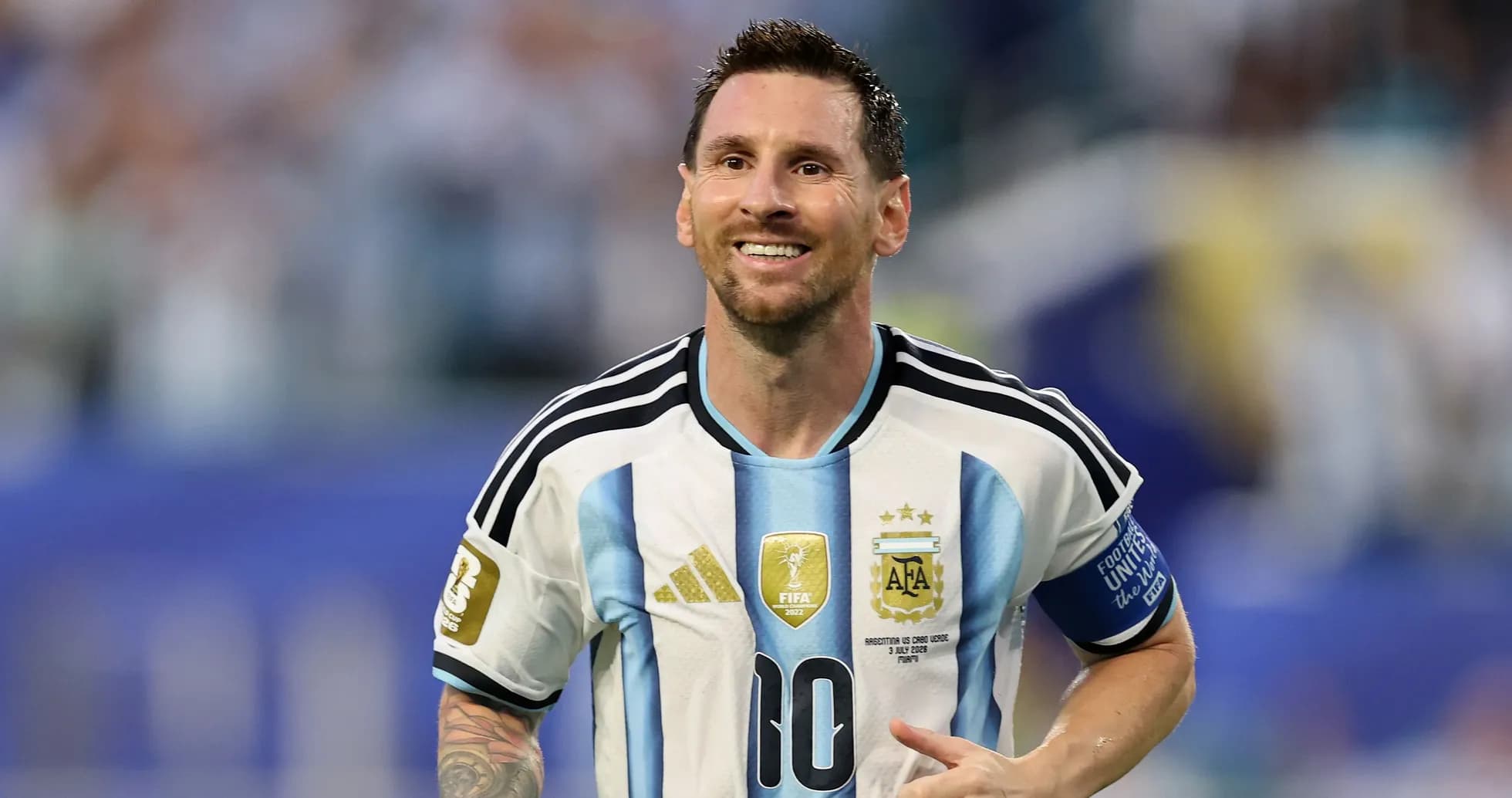
The former Barça coach says he tried to engineer a spectacular reunion of Lionel Messi, Neymar and Pedro at Camp Nou, only to see the idea crumble under the weight of debt, Financial Fair Play and, in Messi’s case, a flat refusal from president Joan Laporta.
“I managed to bring back Dani Alves and tried to bring back Neymar, Pedro and Messi when I was coach,” Xavi told Brazilian legend Romário in a recent interview.
He says the dream never got close enough to reality for the fans to taste it. The money just wasn’t there.
“Pedro and Neymar couldn’t be brought back because of the financial situation, and Messi because the current Barça president didn’t want him,” Xavi said. “There was an opportunity with Neymar, but it didn’t happen either. It didn’t happen because of our very difficult financial situation. Financial Fair Play was severely limiting us, and then there were the infamous salaries.”
Barcelona were already reeling. A trophyless 2019–20 season, spiralling debt and a battered dressing room had left the club, in Xavi’s words, “at its lowest point in history” by the time he arrived in November 2021. He did steady the ship, delivering two trophies and a sense of direction, but the grand reunion he imagined never materialised.
The what‑ifs write themselves. Messi feeding Neymar again in front of a packed Camp Nou. Pedro ghosting into spaces he once owned. Xavi directing it all from the touchline. Instead, the club’s hierarchy pivoted away from nostalgia and into a hard reset built around youth and opportunistic signings.
Xavi’s Stamp on Barcelona’s New Core
Today, Hansi Flick is the man collecting the medals. The German coach has stormed through Spain, winning a domestic treble in his first season and driving a strong defence of the La Liga title. From the outside, this looks like the start of a new era, cleanly separated from the chaos that preceded it.
Xavi doesn’t see it that way.
“We left a legacy of young players who are now the backbone of this team,” he said. “We laid a good foundation that Flick, with his excellent work, is now building on.”
Names like Raphinha, Pedri and Lamine Yamal, who now headline Flick’s Barça, were shaped and trusted under Xavi. That’s a point he’s keen to underline.
“I signed Raphinha. I told the club to sign him. I already wanted him when I was in Portugal. I gave him a lot of confidence. If he didn’t perform, I would have let him go,” Xavi recalled. He even described a key conversation with the Brazilian when frustration threatened to boil over. “I told him to stay calm, that he was five years old, and now he’s really blossomed. He’s a leader.”
With Yamal, the praise went even higher. Xavi didn’t shy away from the biggest comparison of all.
“Yamal can be compared to Messi. He is one of the chosen ones; everything depends on him, his mentality, and his desire to make history. He can be the best in the world. He is already among them.”
The message is clear: while the fantasy of bringing back old icons died in the boardroom, Xavi believes he quietly helped launch the club’s next generation of them.
The Messi Return That Never Was
Where Xavi becomes most animated, though, is over Messi. The wound of that failed homecoming hasn’t healed, and his latest comments reopen the feud with Laporta.
“Messi was the best. There will never be anyone better than him,” Xavi said. “He is a very humble and hardworking person. I saw it when I was 16; he was completely different.”
He insists he pushed as hard as he could to make the reunion happen after the 2022 World Cup.
“I have a very good relationship with him. I tried to sign him for Barça. I spoke with him for five months; everything was ready, but the current president of Barça said no.”
That line mirrors his earlier accusation that Laporta personally killed the move even after La Liga had greenlit a contract structure.
“The president started negotiating the contract with Leo’s father, and we had La Liga’s approval, but it was the president who threw everything out,” Xavi has previously claimed.
Laporta has denied that version of events. The dispute has turned into a running battle of narratives: one side pointing to financial constraints and institutional limits, the other to a decision made at the very top.
The outcome is no longer in doubt. Messi left Paris Saint‑Germain as a free agent and chose Inter Miami, lighting up MLS instead of closing the circle in Catalonia. What could have been one of football’s most emotional returns became a ghost story, told in interviews and press conferences rather than on the Camp Nou pitch.
Xavi is now on the outside looking in, convinced he tried to drag Barcelona out of their darkest period by blending legends of the past with prodigies of the future. The past never came back. The future, though, is already on the pitch – and it carries his fingerprints all over it.