Argentina Triumphs Over England in Tactical Showdown
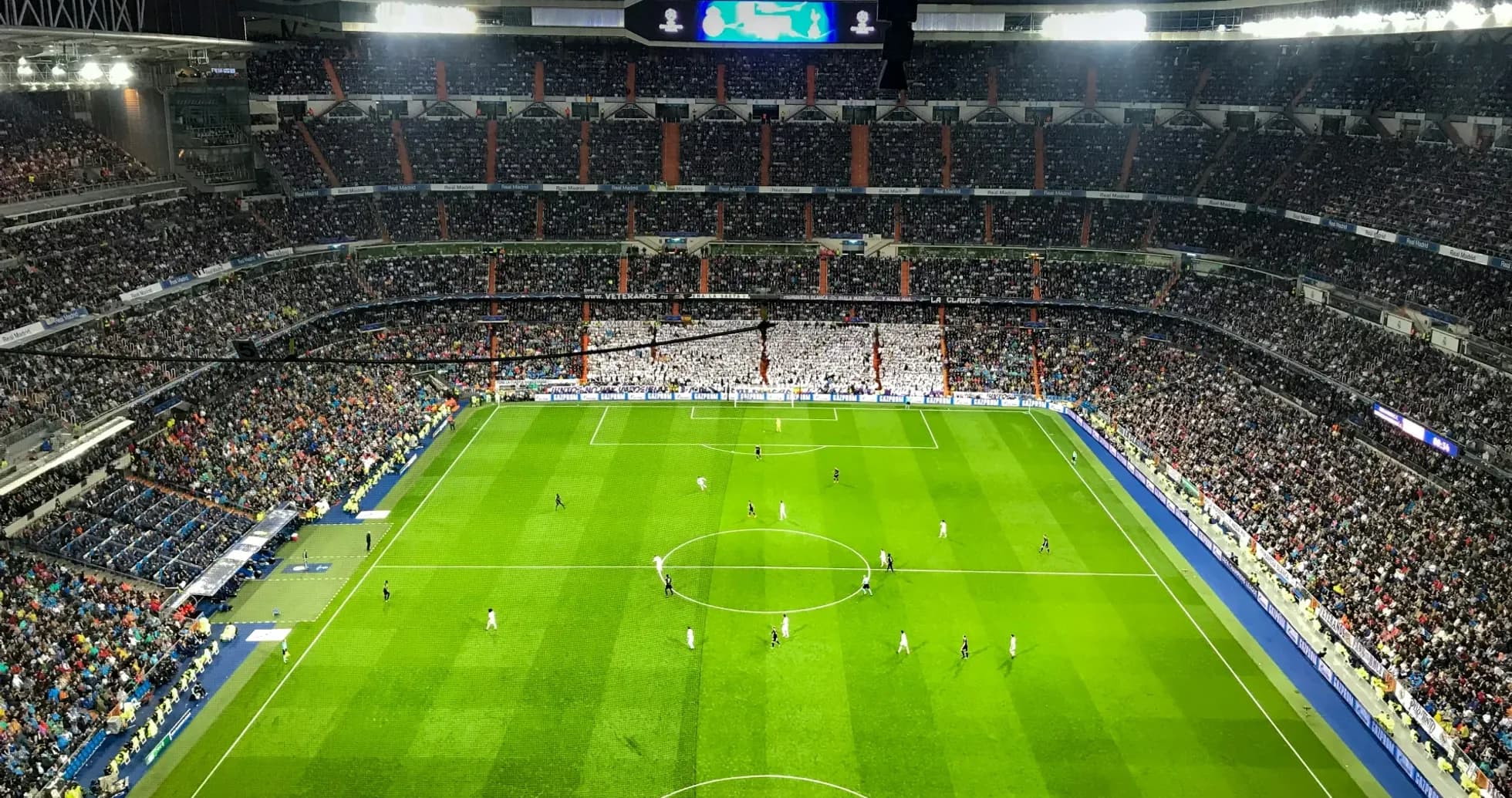
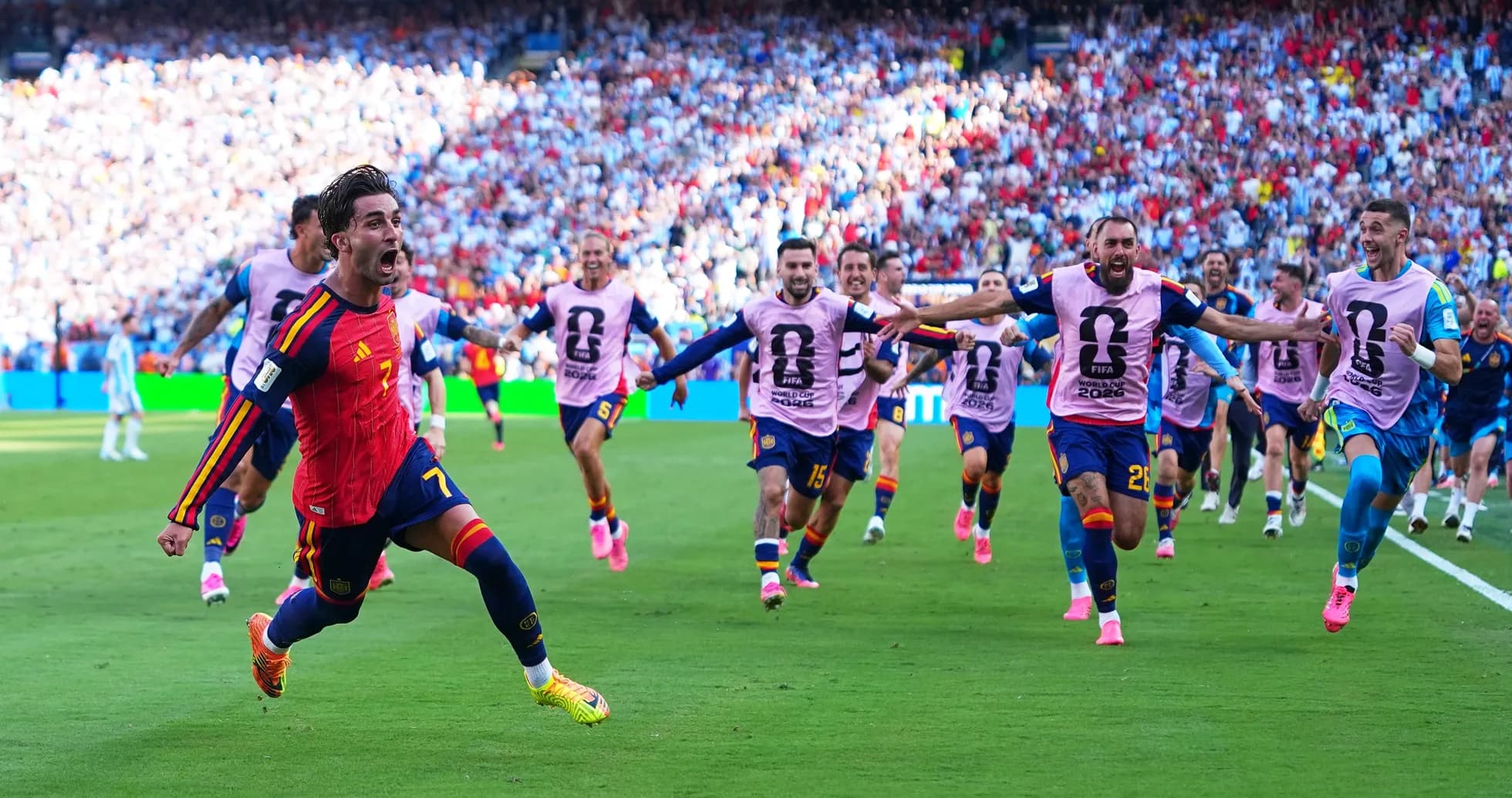
The Mercedes-Benz Stadium in Atlanta hosted a semi-final that felt like football’s oldest argument restaged in ultra‑high definition: England versus Argentina, tradition versus improvisation, structure against genius. Over 90 minutes, Argentina’s 2–1 win did more than book a place in the World Cup final; it offered a stark tactical verdict on two very different squads and the ways they bend under pressure.
I. The Big Picture: Two Machines, One Edge
Heading into this game, both sides had moved through the tournament like heavy machinery. England’s campaign had been defined by control and efficiency: 7 fixtures in total, 5 wins, 1 draw, 1 defeat, with 14 goals scored and 8 conceded overall. At home they had averaged 1.8 goals for and 1.3 against; on their travels 2.3 for and 1.0 against, a profile of a side that rarely blew teams away but almost always kept them in a tactical headlock.
Argentina arrived as something else entirely: a rolling avalanche. Across 7 fixtures in total they had won every single one, scoring 19 and conceding 7. At home they had averaged 2.8 goals, away 2.5, with a total defensive average of 1.0 goals against per match. The group-stage standings had already hinted at the imbalance in firepower: England’s goal difference of 4 in Group L (6 scored, 2 conceded) was strong; Argentina’s goal difference of 7 in Group J (8 scored, 1 conceded) was emphatic.
This semi-final, then, was a clash between a side that had learned to win by fine margins and another that had become accustomed to overwhelming opponents.
II. Tactical Voids and Fault Lines
England’s starting shape under Thomas Tuchel was a familiar 4‑2‑3‑1, but the personnel told a more experimental story. J. Pickford sat behind a back four of R. James, J. Stones, M. Guehi and D. Spence – a line that leaned on athleticism and recovery speed rather than tournament‑long continuity. In midfield, D. Rice anchored alongside E. Anderson, with a fluid band of three – M. Rogers, J. Bellingham and A. Gordon – working behind H. Kane.
The absence of J. Quansah, suspended through a sports court decision after a red card earlier in the tournament, subtly reshaped England’s defensive rotation. Quansah’s previous dismissal had already forced Tuchel to re-balance his centre-back options; here, it meant no ability to switch to a more aggressive three‑centre‑back block late on without compromising width.
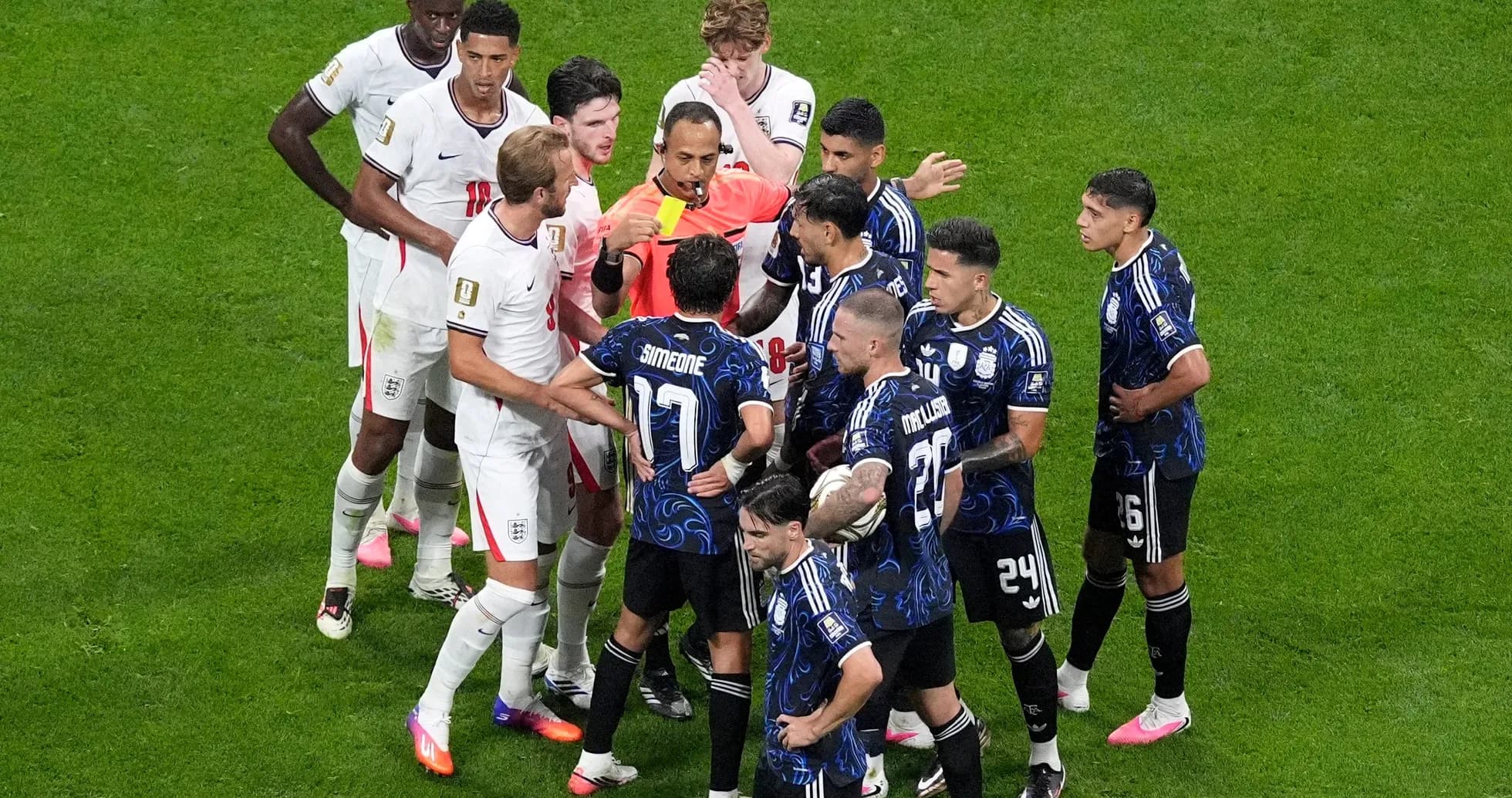
Discipline had been a quiet subplot in England’s run. Rice, one of the tournament’s leading card collectors, came in with 2 yellows and a reputation for walking the disciplinary tightrope. Team-wide, England’s yellow cards had been spread fairly evenly, with noticeable spikes in the 31–45 and 61–75 minute windows (both 25.00% of their cautions). That pattern suggested a side that occasionally lost composure around half-time and in the game’s tactical “second wind.”
Argentina, by contrast, arrived with a clean red-card record and a more volatile yellow profile: an extraordinary 44.44% of their cautions had come between 91–105 minutes, and another 22.22% between 106–120. This is a team that pushes the emotional and physical line deepest into extra time, and while this semi-final stayed within 90 minutes, that psychological habit underpins their willingness to suffer late.
III. Key Matchups: Hunter vs Shield, Engine vs Engine
At the heart of everything was L. Messi, the tournament’s leading scorer and creator. Across the campaign he had produced 8 goals and 4 assists, with 28 shots (18 on target), 35 dribbles attempted and 24 successful, and 26 key passes from 314 total. His 9.07 average rating and 90 duels contested, 51 won, paint a picture not just of a finisher but of a territorial force: he bends the shape of games.
For England, there were two counterweights. The first was Bellingham, whose 6 goals and 1 assist from midfield made him both a runner and a reference point. With 223 passes at 82% accuracy, 8 key passes and 21 dribbles attempted (13 successful), he had been England’s chaos agent between the lines. The second was Kane, a more classical “hunter”: 6 goals, 1 assist, 18 shots with 12 on target, and a penalty record of 2 scored from 2 taken. Kane’s presence demanded that Argentina’s back line – C. Romero and L. Martinez in particular – hold a deeper starting position than they might like, wary of his timing in the box.
Behind that duel sat the “Shield”: Rice against Argentina’s central axis, led here by L. Paredes and supported by E. Fernandez and A. Mac Allister. Rice’s 240 passes at 91% accuracy, 15 key passes, and capacity to block (2) and intercept (2) made him England’s structural guarantee. Yet Argentina’s midfield trio offered a different kind of control – less about single-enforcer dominance, more about sharing the load in circulation and counter-pressing.
On the flanks, A. Gordon’s role was pivotal. With 1 goal, 3 assists and 6 key passes from 104 total passes at 82% accuracy, plus 25 dribble attempts, he was England’s most direct runner. His matchup with N. Molina and N. Tagliafico was designed to stretch Argentina’s back four, while B. Saka, one of the tournament’s leading providers with 3 assists and 5 key passes, loomed as a game-changing substitute option.
IV. Structural Identities and the Final Verdict
From a structural standpoint, England entered the semi-final with a balanced statistical profile. Across all venues they averaged 2.0 goals scored and 1.1 conceded per match, with 2 clean sheets and only 1 fixture in which they failed to score. Their biggest home win, 4–2, and their heaviest home defeat, 1–2, underlined the fine margins that had defined their path.
Argentina, however, carried the aura and numbers of inevitability. Seven wins from seven, 19 goals scored, 7 conceded, and a longest winning streak of 7. They had yet to fail to score, and while their penalty record was surprisingly fragile – 3 taken, only 1 scored, with 2 missed for a 33.33% conversion rate – that weakness had not derailed them. Messi himself had missed 2 penalties, a rare blemish that paradoxically underscored how dominant Argentina were in open play: they could waste spot-kicks and still roll on.
In the end, the 2–1 scoreline felt like the logical expression of these trajectories. England’s system, built around Rice’s shielding, Bellingham’s surges and Kane’s penalty‑box gravity, kept them competitive and gave them spells of control. But Argentina’s higher attacking ceiling – the constant threat of Messi dropping between the lines, J. Alvarez’s movement from midfield, and the late-arriving runs of Fernandez and Mac Allister – tilted the balance.
Statistically, Argentina’s marginally tighter defence (1.0 goals against per match overall versus England’s 1.1) combined with a more explosive attack (2.7 goals for per match overall versus England’s 2.0) always made them slight favourites in a high‑stakes, open contest. The semi-final confirmed that edge. England’s campaign will be remembered for its tactical discipline and the rise of a core – Bellingham, Gordon, Rice – that can carry them forward. Argentina’s will move on to a final in which, on this evidence, they will again step in as the side that bends games to their will rather than merely surviving them.