Arsenal Maintain Premier League Lead with Saka's Goal Against Brighton
Under the Amex Stadium floodlights on Wednesday night, Arsenal protected their position at the top of the Premier League table with a controlled 1–0 win over Brighton. Bukayo Saka’s early goal from open play proved decisive in a match where the visitors, sitting first on 67 points, were content to manage the game once ahead. Brighton, 13th with 37 points, saw plenty of the ball but lacked incision, their late surge blunted by Arsenal’s compact 4-2-3-1 and disciplined game management.
First Half Analysis
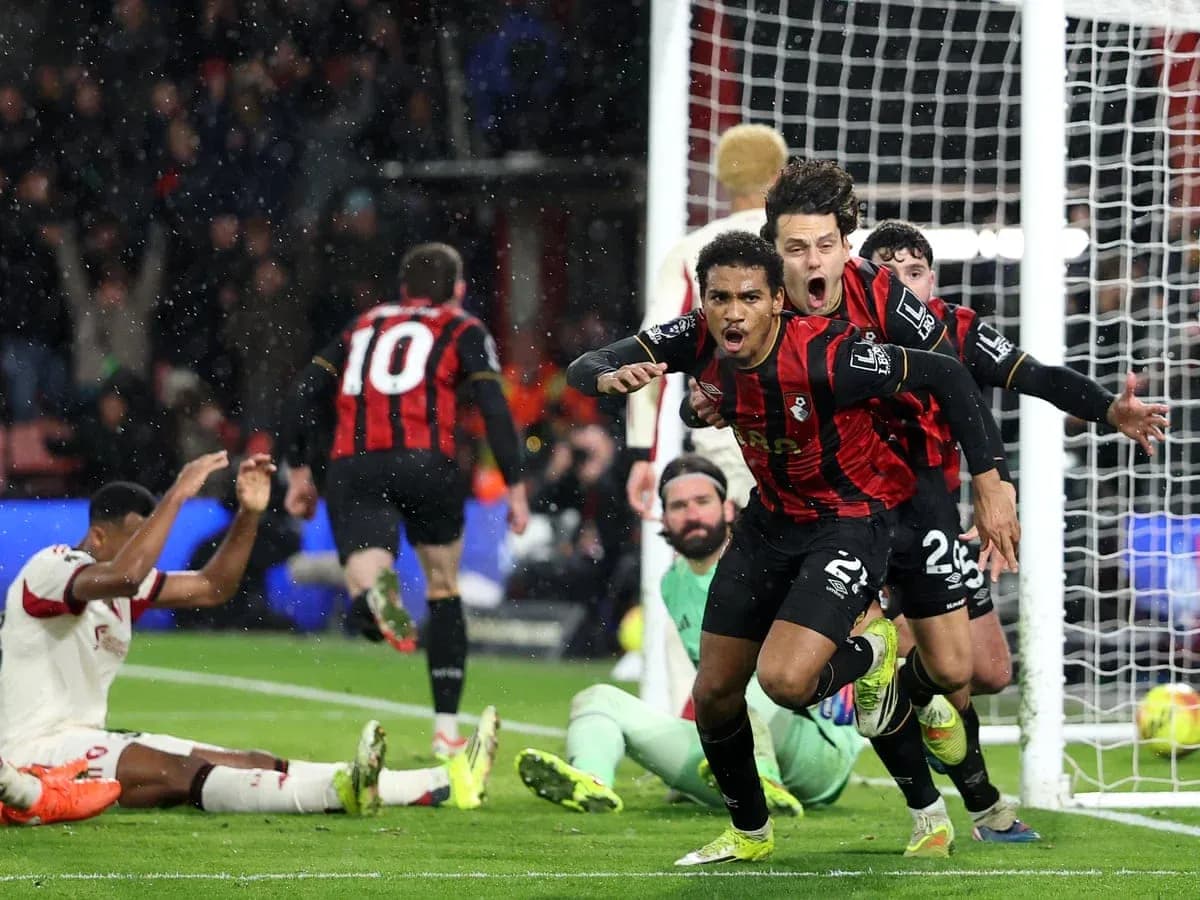
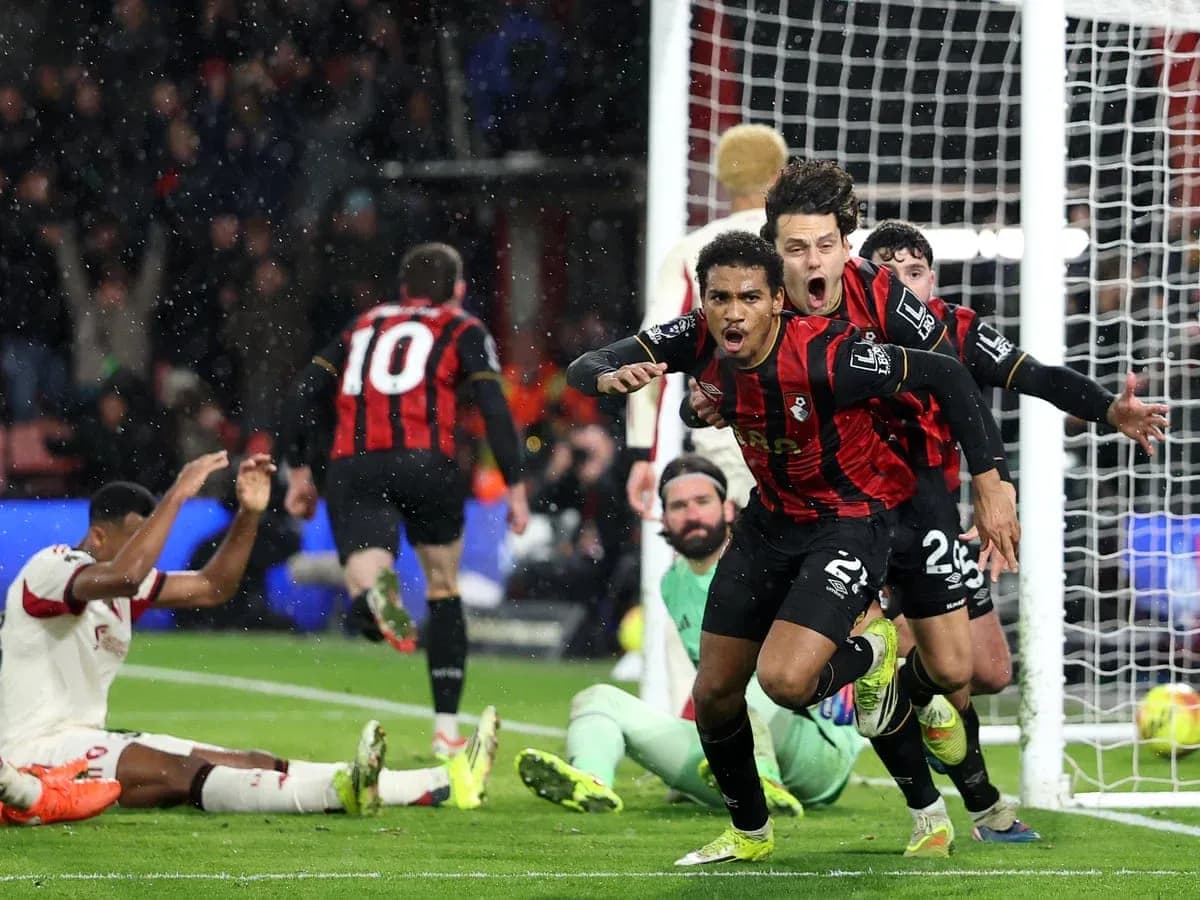
Arsenal started with intent and were rewarded inside nine minutes. Working the ball down the right, the league leaders found Jurriën Timber overlapping from full-back; his low delivery into the area was met by Bukayo Saka, who finished from open play to give the visitors a 1–0 lead on 9'. It was a classic pattern from Mikel Arteta’s side: early pressure, wide overload, ruthless execution.
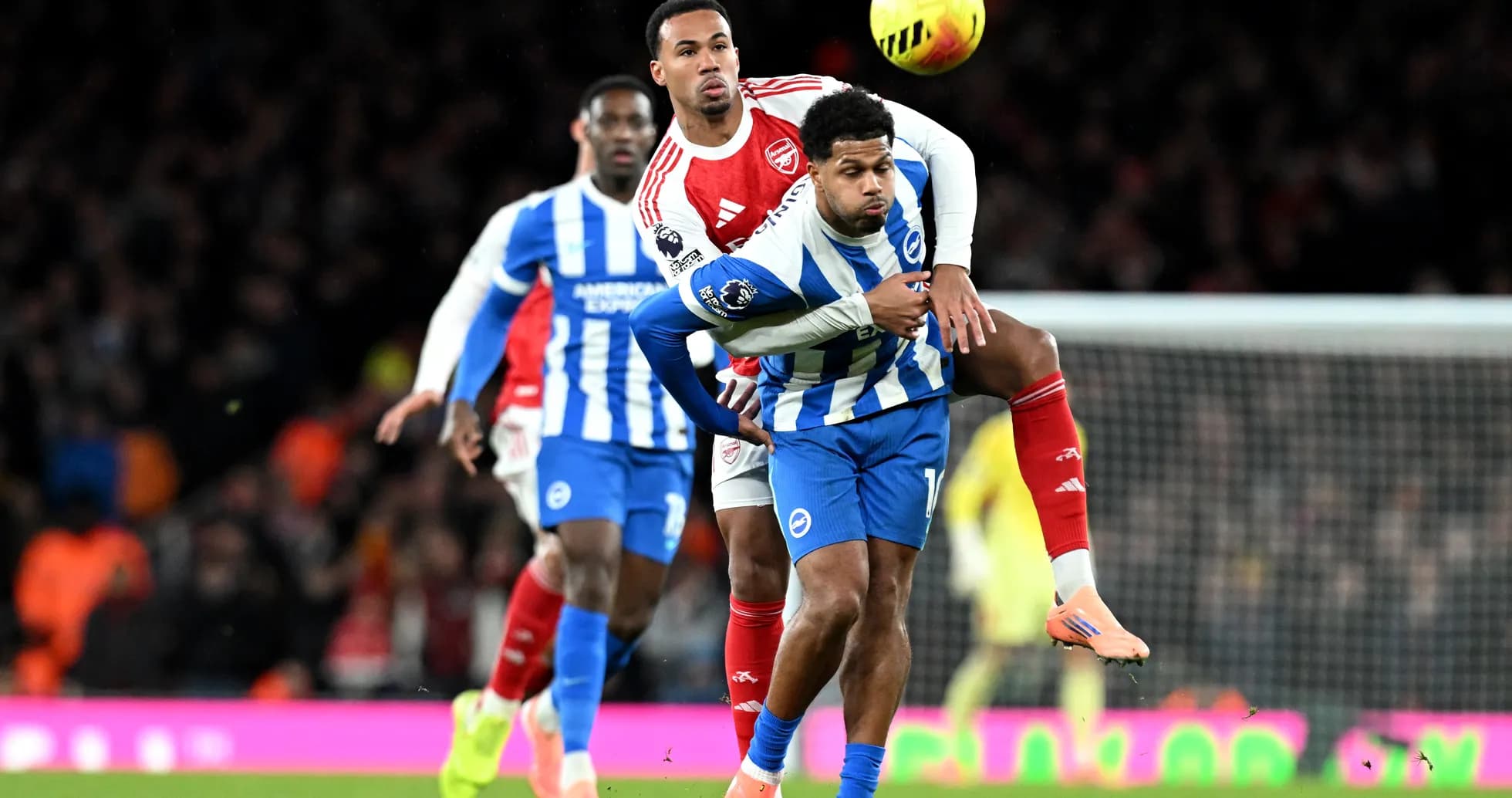
Brighton tried to respond through their own 4-2-3-1, with Pascal Groß dropping deep to knit play and Kaoru Mitoma looking to isolate his full-back, but Arsenal’s double pivot of Declan Rice and Martín Zubimendi screened the central spaces effectively. The game’s first booking arrived on 11', when Cristhian Mosquera went into the book for a foul, underlining Arsenal’s aggressive approach to breaking up Brighton’s transitions.
Despite enjoying the majority of possession, Brighton struggled to turn circulation into clear chances before the interval. Arsenal, meanwhile, were content to drop into a mid-block, protect their lead and threaten sporadically on the counter. The half-time scoreline of 0–1 reflected Arsenal’s superior efficiency rather than territorial dominance.
Second Half & Tactical Shifts
Brighton moved first after the interval, signalling a more aggressive approach. At 46', Kaoru Mitoma was withdrawn and Yankuba Minteh came on, a like-for-like switch on paper but with a different profile: more direct running and vertical threat from the right. The hosts aimed to stretch Arsenal’s back line and inject pace into a previously sterile attack.
The temperature of the contest rose on 52' when Diego Gómez was booked for a foul, a sign of Brighton’s growing urgency in the press. Arsenal responded with their own adjustments. On 59', Viktor Gyökeres made way for Kai Havertz, a change that added more link play between the lines and allowed Arsenal to retain the ball higher up. A minute later, on 60', Gabriel Martinelli was replaced by Leandro Trossard, giving Arsenal fresh legs and a more possession-oriented outlet on the left against his former club.
Arteta continued to refresh his back line on 64', with Mosquera replaced by Riccardo Calafiori, shoring up the left side of central defence and adding composure in build-up. Brighton then went for broke. On 69', Jack Hinshelwood was taken off for Danny Welbeck, an attacking gamble that effectively pushed Brighton into a more forward-heavy shape.
A double change on 77' underlined the home side’s intent: Mats Wieffer departed for Joël Veltman, while Diego Gómez was replaced by Harry Howell. Moments later, on 78', Carlos Baleba came off for Yasin Ayari, adding fresh energy in midfield. The flurry of substitutions tilted the game territorially towards Brighton, but also fragmented their structure.
Arsenal, sensing the need for control, introduced Christian Nørgaard for Zubimendi on 80', reinforcing the midfield shield. That same minute, Olivier Boscagli was booked for dissent after protesting a decision, reflecting Brighton’s growing frustration. Two minutes later, Ferdi Kadıoğlu saw yellow for an off-the-ball foul as the hosts continued to push and leave space in transition.
In stoppage time, Ayari’s desperation showed; he was booked on 90+4' for a foul as Brighton’s final attacks fizzled out. Arsenal saw out the remaining seconds with minimal alarm, closing passing lanes and running the clock down in the corners.
Statistical Deep Dive
The numbers told a story of contrasting approaches. Brighton had 60% possession but, rather than dominating, they focused on structural control in the middle and final thirds without consistently breaking Arsenal down. They attempted 470 passes and completed 385, an 82% pass accuracy, compared to Arsenal’s 322 attempted and 226 completed at 70%. Arsenal conceded possession willingly, prioritising compactness over ball dominance.
In attack, Brighton registered 11 total shots to Arsenal’s 7, but only 3 of Brighton’s efforts were on target, against 2 for the visitors. The xG data underlined Arsenal’s defensive solidity: Brighton produced 0.82 xG, Arsenal 0.47. Despite trailing, Brighton never forced David Raya into a barrage of saves, with Arsenal’s back line allowing just three shots on goal and making one key block. Conversely, Brighton’s defence recorded five blocks, showing how often they were forced to throw bodies in front of Arsenal counters.
Discipline also played its part. Brighton committed 14 fouls to Arsenal’s 12 and collected four yellow cards, many in advanced areas as they tried to disrupt Arsenal’s transitions and regain momentum. Arsenal’s lone booking, Mosquera’s early caution, did little to alter their defensive rhythm. The pattern of fouls and cards mirrored the game state: Brighton increasingly frantic, Arsenal controlled and pragmatic.
Standings & Implications
For Brighton, remaining 13th on 37 points with a goal difference of +2 keeps them in mid-table limbo, their recent form of LWWLL now shaded further towards inconsistency. The performance showed structure but not enough cutting edge to trouble the league leaders. Arsenal, top on 67 points with a formidable +37 goal difference and a record of 20 wins from 30, continue to justify their status as title favourites. This narrow, professional victory away from home sustains their momentum and underlines a growing maturity in closing out tight games.