Barcelona Secures 2-0 Victory Over Real Madrid in La Liga Clásico
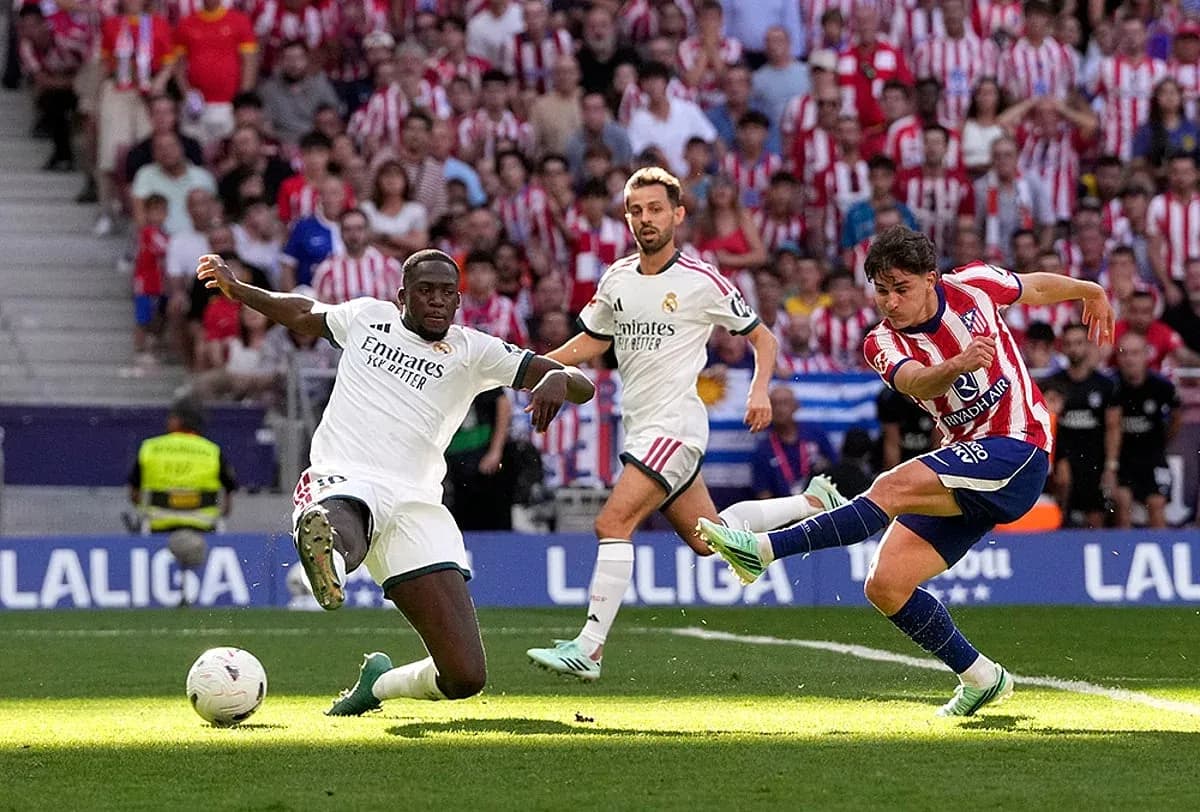
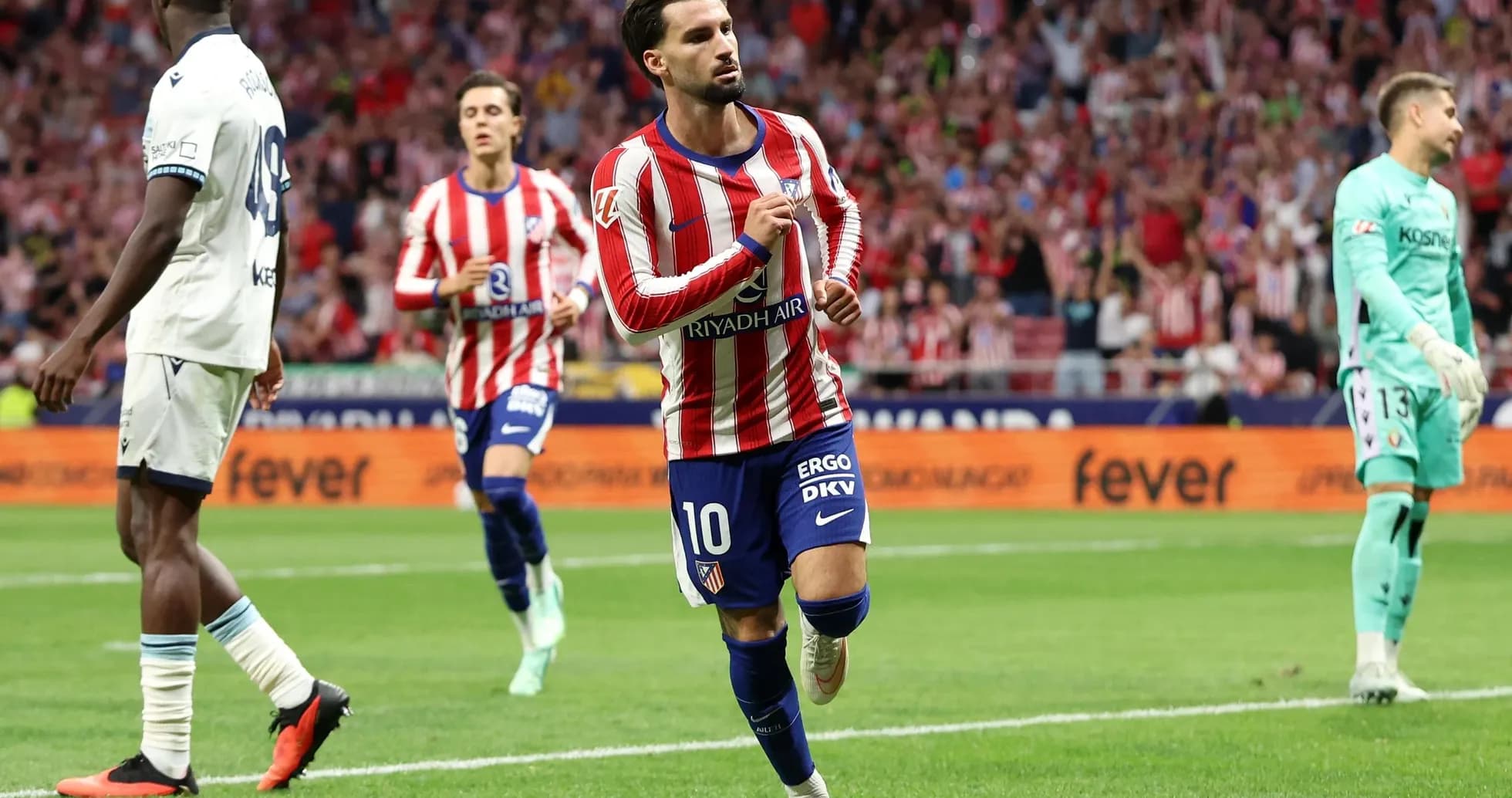
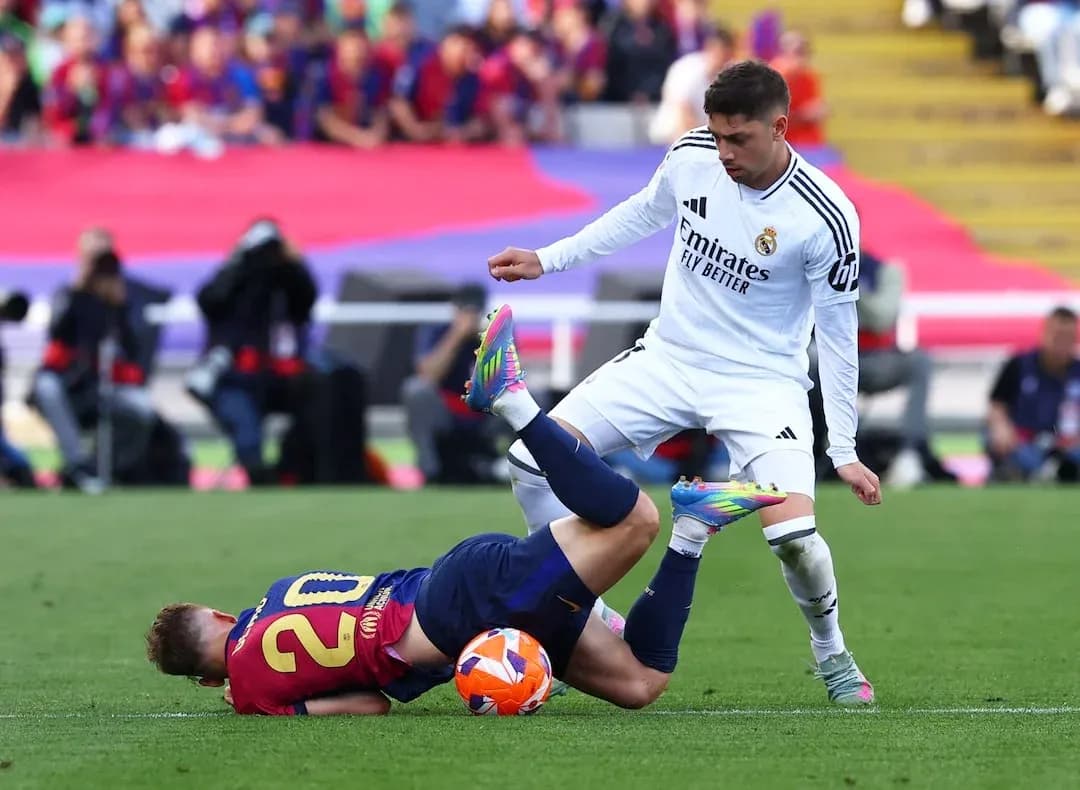
Barcelona’s 2-0 home win over Real Madrid at Camp Nou in La Liga’s Regular Season - 35 was defined early, then managed with impressive control. Hansi Flick’s side struck twice inside 18 minutes and then turned the clásico into a controlled positional exercise, leveraging a 4-2-3-1 structure and 57% possession to keep Alvaro Arbeloa’s Real Madrid at arm’s length. With the half-time score already 2-0 and no further goals after the break, the story became one of game-state management, pressing triggers, and how effectively Barcelona denied Madrid clear central access despite the visitors’ late territorial push and eight corners.
I. Scoring Sequence & Disciplinary Log
Barcelona opened through Marcus Rashford at 9', exploiting the vertical potential of the 4-2-3-1. Starting nominally as the left-sided attacking midfielder, Rashford attacked the space behind Trent Alexander-Arnold, receiving early and finishing a “Normal Goal” that punished Madrid’s high full-back positioning and slow rest-defense adjustment.
At 18', Ferran Torres added the second, again from open play. The move crystallised Barcelona’s attacking idea: Dani Olmo operating between the lines, receiving centrally and feeding Torres, whose movement as the lone forward separated Antonio Rüdiger and Raúl Asencio. Olmo’s assist underlined his role as the central reference in Flick’s three-man line of Rashford–Olmo–Fermín López.
Disciplinary log (chronological, with reasons verbatim):
- 40' Eduardo Camavinga (Real Madrid) — Foul
- 52' Dani Olmo (Barcelona) — Argument
- 52' Raúl Asencio (Real Madrid) — Foul
- 55' Jude Bellingham (Real Madrid) — Unallowed field entering
- 81' Raphinha (Barcelona) — Argument
- 81' Trent Alexander-Arnold (Real Madrid) — Argument
Card totals are therefore: Barcelona: 2, Real Madrid: 4, Total: 6.
Substitutions followed the same chronological arc. At 64', Frenkie de Jong (IN) came on for Dani Olmo (OUT), and Raphinha (IN) came on for M. Rashford (OUT), shifting Barcelona toward a more conservative, ball-retention structure. Real Madrid responded at 70' with Thiago Pitarch (IN) for E. Camavinga (OUT), seeking more progressive passing from deep. At 77', R. Lewandowski (IN) replaced F. Torres (OUT) and Marc Bernal (IN) replaced Gavi (OUT), adding fresh legs in the pivot and forward line. Madrid’s double change at 79' — Franco Mastantuono (IN) for B. Diaz (OUT) and C. Palacios (IN) for G. Garcia (OUT) — aimed at injecting creativity and energy. Finally, at 88', Alejandro Balde (IN) came on for Fermín (OUT), locking down the left flank.
II. Tactical Breakdown & Personnel
Barcelona’s 4-2-3-1 was highly functional against Madrid’s mirror 4-2-3-1. With Joan García in goal, a back four of João Cancelo, Gerard Martín, Pau Cubarsí, and Eric García provided a flexible build-up platform. Cancelo inverted frequently, allowing Gavi and Pedri to stagger their positions: one dropping closer to the centre-backs, the other stepping beyond Madrid’s first line. This created consistent 3v2 superiority against the Camavinga–Tchouaméni double pivot.
In possession, Barcelona’s structure often resembled a 3-2-5: Cancelo tucking inside, Gavi and Pedri forming the double pivot, with Rashford and Fermín López occupying half-spaces and Torres pinning the centre-backs. The early goals came directly from exploiting Madrid’s full-backs. Alexander-Arnold’s advanced positioning left large channels behind, and Fran García’s high starting point on the opposite side stretched Madrid’s back line horizontally, making it difficult for Rüdiger and Asencio to maintain compactness.
Out of possession, Barcelona defended in a mid-block 4-4-2, with Olmo stepping up alongside Torres to press Madrid’s first line and screen passes into Bellingham. The wingers — Rashford and Fermín — dropped to form the second line of four, forcing Madrid wide and into early crosses. With only 1 shot on goal conceded and Joan García required to make just 1 save, the defensive structure successfully reduced Madrid to low-quality attempts despite their 8 total shots and 7 inside the box.
Real Madrid’s own 4-2-3-1 struggled to generate central superiority. Camavinga and Tchouaméni were often pinned by Barcelona’s first pressing line, and Bellingham’s attempts to drop into deeper pockets were tracked by Gavi or Pedri. When Madrid tried to overload the right with Alexander-Arnold overlapping and Brahim Díaz drifting inside, Barcelona’s back four simply shifted across, trusting Cubarsí and Eric García to win aerial duels and second balls.
The second-half substitutions reinforced the tactical narrative. De Jong’s introduction for Olmo at 64' rebalanced Barcelona toward deeper circulation and press resistance; he and Pedri could recycle under pressure, slowing the tempo and denying Madrid transition opportunities. Raphinha’s entry for Rashford provided more vertical threat on the break, but his 81' yellow card for “Argument” reflected a more heated, game-management phase than any tactical breakdown.
For Madrid, Pitarch for Camavinga at 70' attempted to add line-breaking passes from deep, while Mastantuono and Palacios at 79' were tasked with injecting creativity between the lines. Yet Barcelona’s compact 4-4-2 block, reinforced by Bernal and later Balde, meant Madrid’s late possession rarely translated into high-quality chances.
III. The Statistical Verdict
Barcelona’s statistical profile underlines the tactical control. They completed 527 passes, 484 accurate (92%), aligning with a possession-focused plan that prioritised secure circulation once 2-0 ahead. Real Madrid, by contrast, produced 394 passes, 342 accurate (87%), reflecting more direct phases and a chase-state approach after falling behind early.
In terms of chance creation, Barcelona’s 10 total shots (7 on goal) from 0.99 xG shows a high level of shot quality and efficiency, especially in the first half. Madrid’s 8 shots with just 1 on target and 0.79 xG illustrate how often they were forced into suboptimal finishing positions or blocked lanes, despite their 8 corners.
Defensively, the goalkeepers’ metrics are symmetrical in one sense — both sides show -0.53 in goals prevented — but the context differs. Joan García faced only 1 shot on target and made 1 save, largely protected by an organised block. Thibaut Courtois, with 5 saves, was far busier, and yet still conceded twice early as Madrid’s rest-defense and full-back height were exposed.
Discipline also tilted toward Madrid: 4 yellow cards to Barcelona’s 2, with reasons ranging from “Foul” to “Argument” and “Unallowed field entering”. This imbalance mirrors the game’s flow: Barcelona, ahead early, could foul less and manage transitions through structure, while Madrid’s frustration and repeated attempts to change the rhythm manifested both in tactical fouls and dissent. Overall, the numbers confirm what the eye test suggested: Barcelona’s superior overall form on the night and a higher defensive index in terms of limiting clear chances, turning an early attacking burst into a controlled clásico victory.