Bayern's Rouven Kasper Critiques Bundesliga's Global Strategy
Bayern chief Rouven Kasper blasts Bundesliga for “staying at home” as giants head to Asia
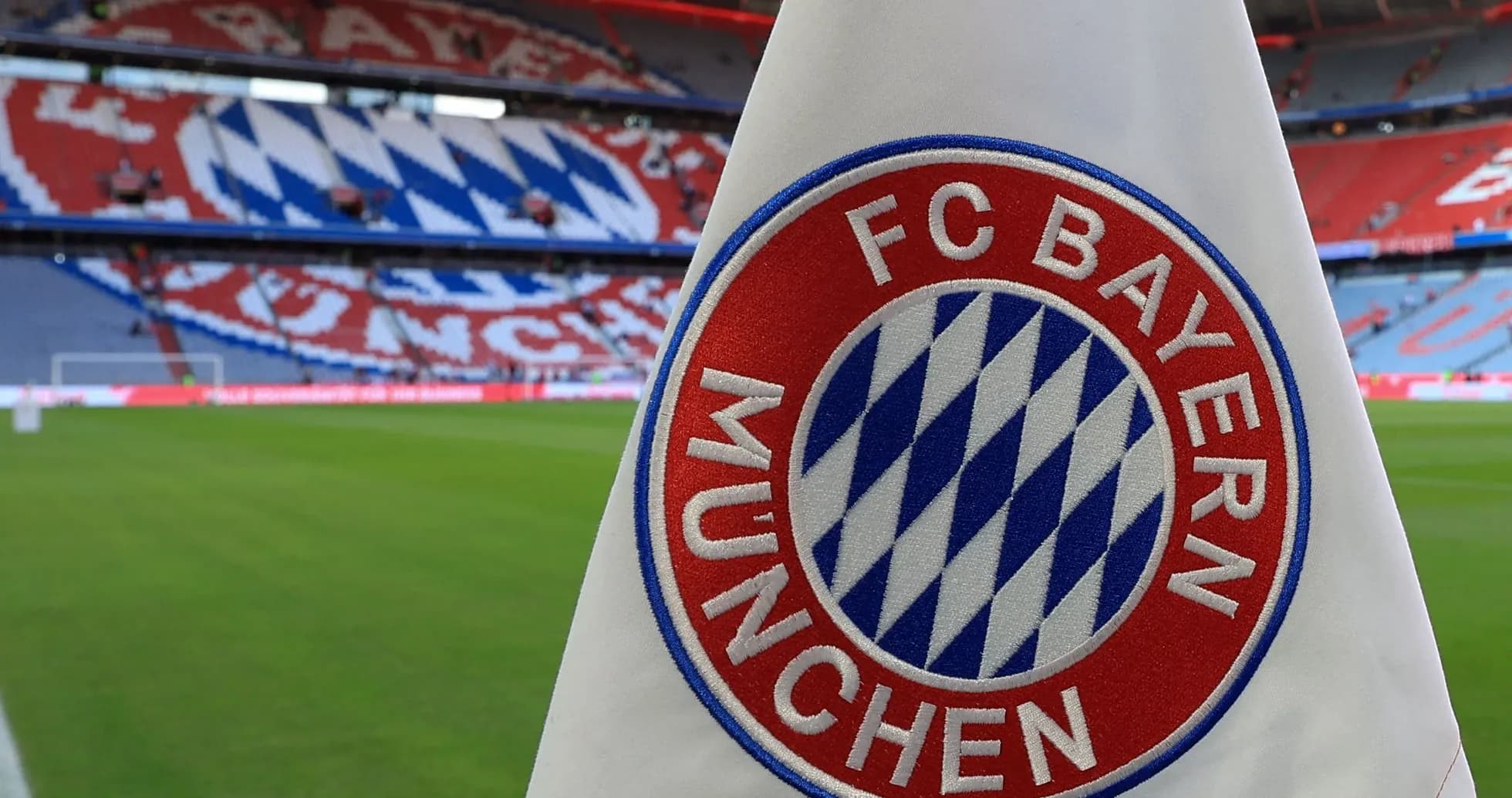
Rouven Kasper did not bother with diplomacy. On the eve of Bayern Munich’s 10th summer tour of Asia, the club’s marketing director took aim at the rest of the Bundesliga and accused Germany’s top clubs of thinking far too small in the global game.
While Bayern pack for South Korea and Hong Kong, Kasper sees a league content to sit on the sofa.
If you do nothing, you will get nothing
Speaking to Sky Sports, Kasper painted a stark picture of German football’s international strategy – or lack of it.
“After the end of the season, Leipzig went on a tour abroad, and during this summer only Bayern Munich and Dortmund are touring the world, while Paderborn fly to the United States in September. This is far too little! Bundesliga clubs need to think more strategically,” he said.
One club here, one club there. For Kasper, that is nowhere near enough in an era where the Premier League has turned pre-season into a travelling roadshow and a year-round marketing machine.
“The English travel the world, and that means the German clubs have to be proactive too. You cannot stay at home and then complain about declining revenues. If you do nothing, you will get nothing,” he warned.
The message could hardly be clearer: German football has to cross borders or be left behind.
Bundesliga’s global gap laid bare
Kasper’s frustration is backed by numbers that should sting in Frankfurt and at league headquarters.
The Bundesliga currently pulls in 218 million euros from international television rights, 302 million euros in total when sponsorships are included. Respectable for a domestic league. Tiny in comparison to its rivals.
The Premier League, he noted, rakes in around ten times that figure from abroad. La Liga brings in roughly three times as much. The gap is not closing; it is widening.
Kasper also highlighted a worrying trend in key territories. “It is unfortunate that the decline in media revenues in countries such as the United States and Japan has become a reality, but this is an additional reason for the league association to work with us to find strategic mechanisms to boost activities, because Bayern Munich cannot travel everywhere on its own,” he said.
In other words: Bayern can open doors, but they cannot carry the entire league on their back.
Bayern on the road again
While others hesitate, Bayern move.
Their latest Asian tour takes them first to Jeju Island in South Korea and then on to Hong Kong, where they will stay until 8 August. It is familiar terrain for the German champions: training sessions turned into fan festivals, sponsor events, and a chance to plant the Bayern flag a little deeper in markets every major club now covets.
On the pitch, they will face Jeju SK on 4 August before meeting Aston Villa on 7 August. Two friendlies, but the real contest is for attention, loyalty and long-term revenue.
This is not just about selling shirts in the summer. It is about making sure a child in Seoul, Hong Kong or Jakarta chooses Bayern over clubs from England or Spain when they pick their team for life.
Target markets: from the Americas to Asia’s next wave
Kasper also laid out Bayern’s own roadmap abroad with unusual clarity.
“Our target markets are clearly defined. In the two Americas, we have so far focused on North and Central America, but South America is becoming increasingly interesting. In Asia the matter is also clear, and we must turn our attention towards India, Indonesia and Thailand and undertake new ventures there,” he explained.
North America has long been a battleground, and Bayern have invested heavily there. Now the gaze is shifting. South America, with its deep football culture, and emerging Asian giants such as India and Indonesia, sit high on the club’s agenda.
The strategy is aggressive, structured, unapologetically global. Exactly the kind of approach Kasper believes the rest of the Bundesliga has been too slow to embrace.
As Bayern touch down in Asia once more, the question lingers over the league they represent: will German clubs follow them out into the world, or keep “staying at home” while others cash in on the game’s new frontiers?